
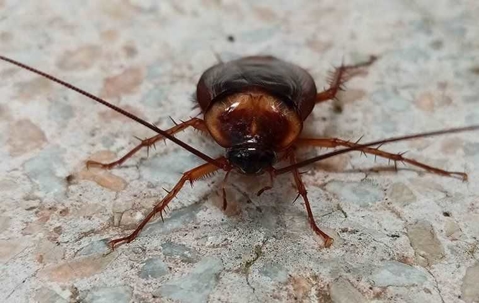
Cockroaches are built to survive. They hide in narrow cracks, reproduce quickly, remain active at night, and use kitchens, bathrooms, basements, crawl spaces, and utility areas for food, water, and shelter. When treatment appears to work briefly, but sightings return, the problem is often not that every roach resisted control. More commonly, hidden populations, egg cases, untreated harborages, moisture, or new entry routes allowed activity to continue.
Professional pest control approaches the infestation as a system. Technicians identify the species, map active zones, select targeted materials, address supporting conditions, and return to measure results. That process is more reliable than judging success by whether visible roaches disappear for a few days.
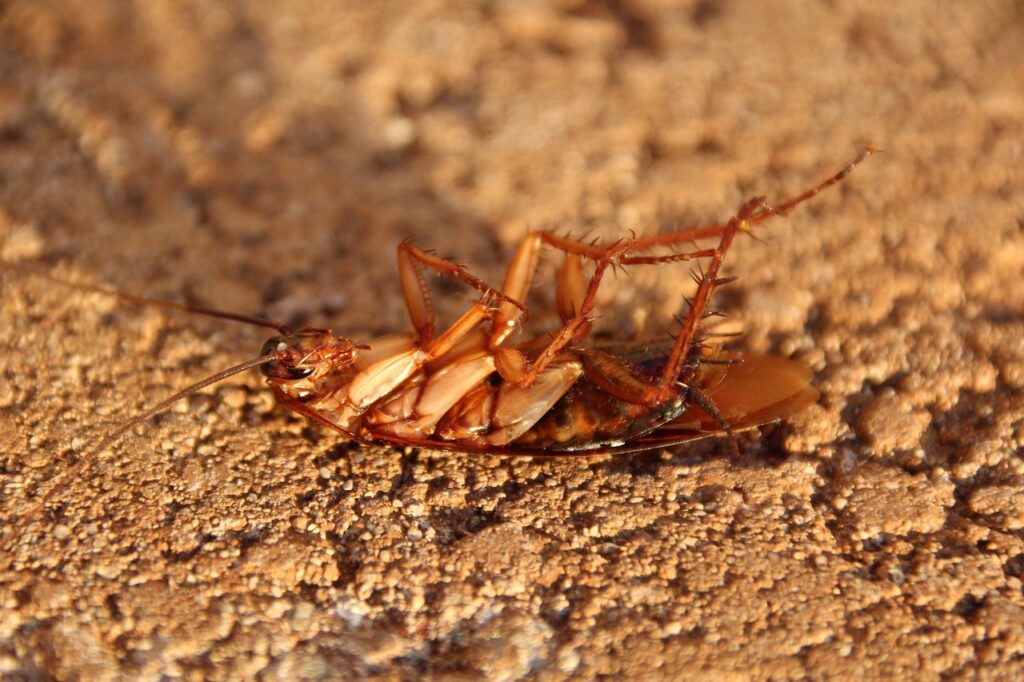
Hidden Harborages Protect Part Of The Population
Roaches spend most of their time in protected spaces. German cockroaches often gather behind appliances, beneath sinks, inside cabinets, and around warm equipment. American cockroaches may use basements, crawl spaces, drains, and exterior debris. Surface treatment may affect exposed insects while leaving concealed adults, young roaches, and egg cases untouched.
Professionals inspect for:
- Droppings, egg cases, shed skins, and musty odors
- Gaps behind baseboards, cabinets, appliances, and plumbing
- Warm, damp areas near water heaters and dishwashers
- Exterior debris, drains, crawl spaces, and utility openings
- Daytime sightings that may indicate crowded harborages
Finding these areas helps technicians place treatment where roaches live and travel instead of applying products broadly without evidence.
Contamination And Debris Can Remain After Sightings Drop
A temporary decline in live roaches does not immediately remove droppings, shed skins, body fragments, or contaminated nesting material. These residues may remain behind appliances, inside cabinets, or within wall-side gaps. The relationship between roach activity and indoor air quality shows why source control and careful cleanup recommendations matter.
Professionals look beyond the number of insects seen. They evaluate whether active harborages remain, whether droppings are fresh, and whether sanitation or moisture conditions continue to support the infestation. This broader review helps prevent a property owner from assuming that reduced sightings mean the problem is fully resolved.
Treatment Must Match Species And Life Stage
Cockroach species differ in preferred habitats, movement, reproduction, and response to treatment. A method that works well in a cabinet may not address roaches entering from a crawl space or drain. Egg cases can also protect developing roaches until they emerge after the first service.
A professional plan may include:
- Gel baits placed near confirmed feeding and travel routes
- Growth regulators that interrupt development and reproduction
- Crack-and-crevice applications in concealed harborages
- Exterior barriers around likely entry and nesting zones
- Monitoring devices used to compare activity between visits
Technicians adjust placement according to evidence. They also avoid contaminating bait locations with materials that could make roaches avoid them. Careful sequencing is one reason professional treatment often performs better than mixing several unrelated methods.
Recurring Activity Usually Has A Correctable Cause
Roaches may return when leaks, food residue, clutter, structural gaps, or exterior pressure remain unchanged. The reasons behind returning cockroach activity often involve incomplete source control rather than one unusually resistant insect.
A detailed follow-up may review:
- Plumbing leaks, condensation, and damp cabinet bases
- Grease, crumbs, pet food, trash, and pantry spills
- Cardboard, clutter, and undisturbed storage areas
- Gaps around doors, drains, pipes, vents, and foundations
- New activity in rooms that were previously clear
Correcting these conditions makes treatment more effective and reduces the resources that surviving roaches can use. It also helps technicians determine whether activity is declining, shifting, or being reintroduced from another area.
Follow-Up Turns Treatment Into A Measured Process
Cockroach control rarely ends with one visit because eggs may hatch later and hidden insects may emerge after active harborages are disturbed. Follow-up allows technicians to compare monitoring results, inspect treated areas, and adjust the strategy based on what is actually happening.
Professionals may replace consumed baits, reposition monitors, treat newly confirmed routes, and review whether sanitation or exclusion recommendations were completed. If activity remains near one appliance or drain, the plan can become more focused. If sightings spread, technicians can expand the inspection instead of repeating the same application automatically.
This measured process also reduces unnecessary treatment. Rather than applying products throughout the property without a clear reason, technicians concentrate on confirmed locations and use service records to judge progress. Families and pets benefit from clear preparation, drying, and reentry guidance tailored to the treatment selected.
Some roaches survive because the first response never reached them, their egg cases remained protected, or the environment continued providing food, moisture, and shelter. Professional pest control addresses these overlapping factors through inspection, targeted treatment, prevention, and repeated evaluation. The difference is not simply using stronger products. It is using the right method, in the right place, at the right time, with follow-up that confirms whether the infestation is truly declining.
Finish The Job Beyond The First Treatment
Contact DAPS Services for professional cockroach inspection, targeted pest control, prevention guidance, and dependable follow-up based on confirmed activity.