
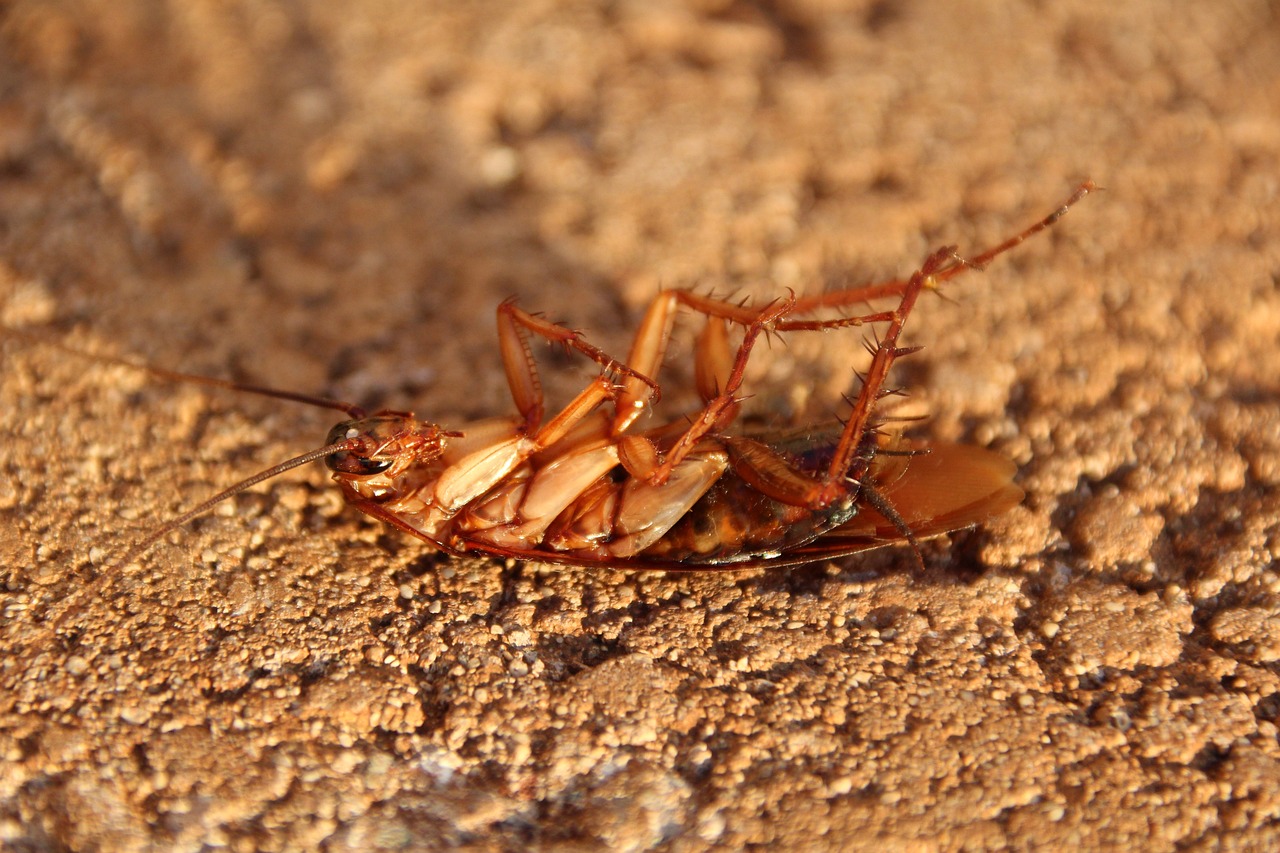
A cockroach infestation can seem resolved after treatment, only to return days or weeks later. This does not always mean the original service failed. Cockroaches are persistent pests that hide in cracks, wall voids, appliance gaps, drains, cabinets, and other protected areas. If eggs survive, moisture remains available, or entry points stay open, activity can build again.
Professional pest control works best when the treatment is part of a larger plan. Inspection, preparation, targeted service, sanitation guidance, and follow-up all help reduce the conditions that allow cockroaches to return. In Georgia homes and businesses, warm weather, humidity, plumbing areas, kitchens, storage, and exterior access points can all contribute to repeat activity.
Hidden Sources Can Survive The First Treatment
Cockroaches spend much of their time out of sight. A treatment may reduce visible adults while eggs, nymphs, or hidden insects remain in places that are difficult to reach. German cockroaches, for example, can stay close to kitchens, appliances, and plumbing, while other cockroach species may move between outdoor and indoor areas.
Common hidden sources include:
- Cracks behind cabinets, baseboards, appliances, and wall edges
- Gaps around pipes, drains, utility lines, and electrical openings
- Warm spaces near refrigerators, dishwashers, ovens, and water heaters
- Cardboard, clutter, stored items, and low-disturbance storage areas
- Damp locations under sinks, in bathrooms, garages, and laundry rooms
Preparation matters because blocked access can keep important areas from being inspected or treated properly. This guide to pest service preparation explains why clear access, accurate observations, and household communication can help technicians evaluate the problem more completely.
A professional inspection also helps determine whether the activity is new, ongoing, or coming from a different source. Without that step, homeowners may assume the same cockroaches returned when the real issue is continued entry from outside or movement from another part of the building.
Moisture, Food, And Entry Points Keep Activity Going
Cockroaches need access to water, food, and shelter. Even a small leak, a damp cabinet, crumbs under an appliance, or a gap around a pipe can help them survive. In multifamily buildings or commercial spaces, shared walls, drains, kitchens, storage rooms, and deliveries can make the situation more complicated.
Repeat activity often connects to:
- Slow plumbing leaks, condensation, floor drains, and damp cabinets
- Grease, crumbs, food residue, pet food, and unsecured trash
- Door gaps, utility openings, damaged seals, and wall penetrations
- Cardboard boxes, clutter, stored paper, and hidden nesting areas
- Neighboring units, shared plumbing, or exterior pressure near the structure
Removing visible cockroaches does not remove these support conditions. That is why professional service may include sanitation recommendations, moisture review, entry-point awareness, and follow-up. The goal is not to treat every surface. It is to focus on the places where cockroaches are living, feeding, and moving.
Weather can also affect results. Heat, humidity, rain, and changing outdoor conditions may push pests toward cooler or more protected areas. A one-time service may reduce activity, but seasonal pressure can create new movement if the property remains easy to enter.
This matters because cockroaches can remain active long before homeowners notice steady daytime sightings. Early professional attention can reveal hidden routes, reduce uncertainty, and help prevent a limited problem from spreading into additional rooms or shared spaces.
Follow-Up Helps Confirm Whether Treatment Is Working
Cockroach control often takes time because eggs may hatch after the first service, hidden activity may shift, or the infestation may be larger than it initially appeared. Follow-up gives the technician a chance to compare new findings with the original inspection and adjust the plan if needed.
A follow-up visit may include:
- Checking monitors, traps, droppings, egg cases, and new sighting areas
- Reinspecting kitchens, bathrooms, appliances, garages, and utility spaces
- Adjusting treatment placement based on where activity remains
- Reviewing whether moisture, food, clutter, or access problems have changed
- Determining whether recurring service is needed for longer-term control
This is especially important when activity returns after warm weather, heavy rain, or changes in the building. A closer look at summer treatment limits shows why the source, weather, timing, and follow-up all matter when pests reappear.
Professional pest control also helps distinguish cockroach activity from other supported pest concerns, such as ants, spiders, mosquitoes, rodents, termites, bed bugs, crickets, millipedes, centipedes, earwigs, silverfish, nesting wasps, and scorpions. Each pest requires a different treatment strategy, so correct identification keeps the plan focused.
A recurring cockroach infestation should be treated as a property-wide pattern, not just a series of isolated sightings. The most dependable results come from combining inspection, preparation, targeted treatment, sanitation guidance, moisture awareness, and follow-up. That approach makes it easier to find what survived, what changed, and what needs attention next.
Break The Cycle Before Cockroaches Return Again
A cockroach infestation can return when hidden insects, moisture, food, or entry points remain active after the first treatment. For professional inspection, targeted treatment, follow-up, and support with cockroaches and other listed pest concerns, contact DAPS Services.