
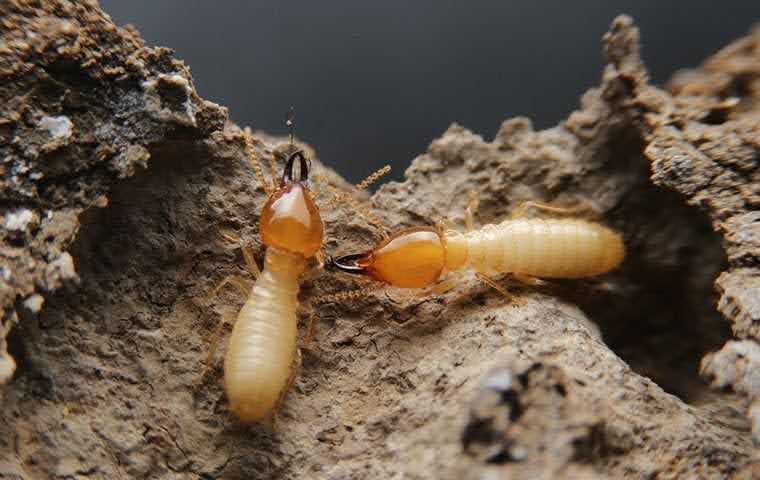
Termites can remain active inside a house long before obvious damage appears. They often feed behind walls, beneath flooring, around crawl spaces, or near foundation-connected wood where homeowners rarely look. By the time a surface begins to sag, blister, or sound hollow, the underlying structure may already be compromised.
A termite infestation is dangerous because damage develops gradually and can affect several connected materials at once. Professional evaluation helps determine where the activity is occurring, how far it may have spread, and which treatment and repair steps are appropriate. This matters because two homes with similar surface signs may have very different levels of internal damage, moisture exposure, and colony access.
Structural Damage Often Starts Out of Sight
Termites usually avoid exposed areas. Subterranean termites travel from soil through protected pathways, while feeding may continue inside framing, sill plates, joists, subfloors, trim, and other cellulose-based materials.
Early warning signs may include:
- Mud tubes along foundations, crawl-space supports, or masonry joints.
- Wood that sounds hollow or feels unusually soft when examined.
- Bubbling paint, warped trim, or flooring changes without a clear leak.
- Discarded wings near windows, doors, garages, or light sources.
- Small cracks or surface damage around moisture-prone structural areas.
These clues do not always reveal the full extent of the problem. A professional inspection connects visible evidence with concealed areas that may require closer evaluation.
Delayed Action Can Increase Repair Complexity
Termite damage does not stop at one board. When feeding continues, weakened materials may place added stress on nearby framing, flooring, door openings, or wall components. Repairs can become more complicated when the infestation reaches areas hidden behind finishes or below occupied rooms.
Understanding the difference between treatment and prevention is important. This overview of termite protection options explains why active infestations require a different response from preventive service designed to reduce future risk.
A treatment plan should address the colony or active pathways before damaged wood is repaired. Otherwise, new materials may remain exposed to ongoing activity.
Moisture and Soil Access Can Support Continued Activity
Subterranean termites depend on moisture and usually maintain a connection to soil. Georgia homes with crawl spaces, drainage issues, plumbing leaks, irrigation overspray, or wood-to-soil contact may provide favorable conditions.
A detailed assessment may examine:
- Damp crawl spaces, foundation edges, and plumbing penetrations.
- Mulch, soil, or landscaping materials touching wooden components.
- Leaks or drainage patterns that keep structural areas moist.
- Cracks, joints, or utility openings that provide concealed access.
- Previous repairs that may cover older or active termite damage.
These conditions do not prove that termites are present, but they can increase vulnerability. Effective termite infestation management considers both active evidence and the environmental factors that support access.
Surface Damage May Hide Broader Structural Weakness
Visible damage can appear minor even when termites have consumed material beneath the surface. Baseboards may look intact while the wood behind them is hollow, and flooring may feel slightly uneven before more serious weakness becomes noticeable.
This guide to termite damage clues describes signs such as mud tubes, discarded wings, hollow wood, and unexplained structural changes. These indicators deserve attention because they may connect to activity in walls, crawl spaces, or foundation-adjacent areas.
A complete response may involve:
- Confirming whether the evidence is active, old, or caused by another issue.
- Identifying the termite species and likely access routes.
- Determining which structural materials need further examination.
- Selecting bait systems, liquid treatments, or another suitable method.
- Scheduling follow-up monitoring to confirm that activity is declining.
Professional assessment reduces the risk of repairing cosmetic damage while leaving the underlying infestation untreated.
Long-Term Protection Requires Treatment and Monitoring
Termite control is not only about eliminating visible insects. The strongest plan considers the colony, structural access, moisture, damaged materials, and future pressure around the property.
A professional inspection may include attics, crawl spaces, foundation edges, garages, plumbing areas, drainage zones, and other locations where termites can remain concealed. Treatment may involve baiting systems, liquid applications, soil barriers, or a combination based on the findings.
Follow-up is important because termite activity can be difficult to judge from appearance alone. Regular checks also help identify fresh mud tubes, renewed moisture, or new structural changes before they become harder to investigate. Monitoring helps confirm whether treatment is working and whether new evidence has developed in another area.
Repair decisions should also follow accurate inspection. Some wood may require replacement, while other materials may remain structurally sound after treatment. Coordinating termite control with qualified repair work helps protect the home more effectively.
The hidden risk of a termite infestation is not only the wood already consumed. It is the uncertainty about where damage extends and whether activity is still progressing. Early professional attention can limit that uncertainty, reduce avoidable repair costs, and support a more reliable long-term protection plan.
Protect the Structure Before Damage Spreads
When mud tubes, discarded wings, hollow wood, or unexplained structural changes appear, a careful inspection can clarify the risk. Contact DAPS Services for professional termite control focused on accurate detection, targeted treatment, and long-term protection.