
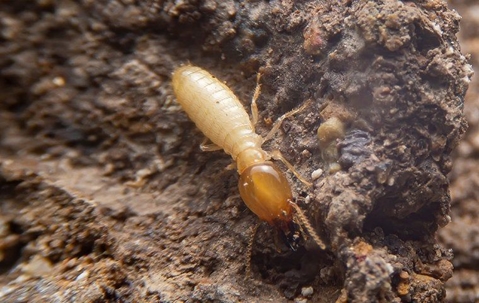
Termites are among the most destructive pests affecting residential properties because they often remain hidden long before visible structural damage appears. In Georgia, warm temperatures and moisture create favorable conditions for termite activity throughout much of the year. Many homeowners do not realize an infestation exists until wood damage, wall problems, or swarming insects become noticeable around the property.
Effective termite control begins with understanding the warning signs associated with hidden infestations. Early detection often helps reduce repair costs while protecting structural areas from more extensive long-term damage. Because termites frequently remain concealed inside walls, crawl spaces, flooring, and wood framing, even small signs should not be ignored.
Mud Tubes Often Signal Active Infestations
One of the most recognizable termite warning signs is the appearance of mud tubes around foundations, crawl spaces, walls, or structural supports. Subterranean termites create these narrow tunnels to protect themselves while traveling between soil and wood sources.
- Mud tubes may appear near foundation walls
- Crawl spaces often contain hidden tunnel activity
- Exterior walls can conceal active termite movement
- Wooden supports may show soil-like residue
- Garages sometimes reveal hidden foundation access points
Because termites rely heavily on moisture, mud tubes help maintain the humid environment they need to survive. Homeowners may overlook these tunnels initially because they often blend into concrete, wood, or shaded structural surfaces.
Professional termite control inspections help determine whether tubes are active, abandoned, or connected to a larger infestation elsewhere on the property. Removing visible tubes alone does not eliminate the colony supporting the infestation underground.
Wood Damage May Remain Hidden For Long Periods
Termites consume wood gradually from the inside, which means structural damage may continue spreading long before surfaces appear visibly compromised. Floors, walls, ceilings, door frames, and support beams can all be affected over time.
- Wood may sound hollow when tapped lightly
- Floors can begin sagging or feeling unstable
- Doors and windows may become difficult to open
- Bubbling paint may resemble moisture damage
- Baseboards might appear cracked or weakened
Many homeowners first notice these conditions after damage has already progressed significantly inside hidden structural spaces. Because termites often leave thin outer surfaces intact, wood may appear normal externally while extensive deterioration develops beneath.
Detailed inspections help identify the full extent of hidden activity before structural weakening becomes more severe. Homeowners noticing unusual wall conditions can review these wall damage indicators connected to concealed termite infestations inside residential properties.
Early termite control helps reduce the likelihood of widespread structural repairs later.
Swarming Activity Should Never Be Ignored
Swarming termites are another important warning sign homeowners should recognize. Swarms usually occur when mature colonies release winged reproductive termites searching for new nesting locations. These swarms often appear during warmer, humid conditions.
- Flying termites may gather near windows or lights
- Discarded wings can collect along windowsills
- Swarming activity often occurs during the spring months
- Outdoor lighting may attract winged termites
- Sudden insect activity indoors deserves evaluation
Many homeowners confuse swarming termites with ants because both insects may appear in large numbers during certain seasons. Professional termite control inspections help identify the species correctly and determine whether the activity points to an active colony inside or near the structure.
Even if swarming stops quickly, the colony itself may remain active within walls, crawl spaces, or surrounding soil. Early evaluation helps determine whether additional structural inspection or treatment planning is necessary.
Moisture And Structural Conditions Increase Risk
Certain environmental and structural conditions make homes more vulnerable to termite activity over time. Moisture problems, wood-to-soil contact, drainage concerns, and hidden leaks can all support termite survival near the property.
- Poor drainage may increase soil moisture levels
- Leaking pipes create ideal termite conditions
- Firewood stacked near walls increases exposure risk
- Crawl spaces may trap moisture beneath the flooring
- Landscaping can conceal structural vulnerabilities
Long-term termite control often involves correcting these contributing conditions alongside treatment planning. Addressing moisture and structural vulnerabilities helps reduce the chances of future infestations after active termites are treated.
Professional inspections evaluate both the infestation itself and the environmental conditions supporting termite activity. This broader approach helps homeowners better understand how termites entered the property and what prevention strategies may reduce long-term risk.
If termite damage has already developed, homeowners may also need guidance regarding structural repair considerations. These repair process details explain how damage assessment and restoration planning often follow active infestation treatment.
Long-term protection usually depends on combining inspection, treatment, monitoring, and environmental management throughout the property.
Protect Your Home Before Damage Spreads Further
Termite infestations often remain hidden until structural damage becomes more difficult and expensive to address. Recognizing early warning signs such as mud tubes, swarming activity, hollow wood, and moisture-related conditions helps support faster termite control and stronger long-term protection. Professional inspections also help uncover hidden activity homeowners may not notice during routine maintenance. For professional termite control and structural inspection support, contact DAPS Services.