
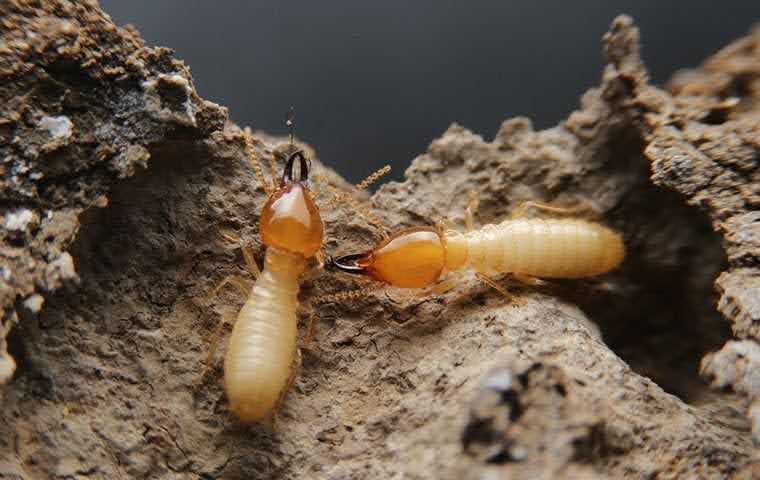
Termites are not casual household pests. They work quietly inside soil, crawl spaces, foundations, porch supports, framing, and hidden wood sources before obvious damage appears. That is why termite control is usually discussed in two connected ways: treatment and prevention. Treatment addresses activity that is already present. Prevention focuses on reducing the conditions that allow termites to approach, enter, or keep feeding on a structure.
Both matter, but they do not serve the same purpose. A home with active termites needs a different plan than a home with no visible activity but steady risk factors around the property. Georgia’s warm, humid climate can support persistent termite pressure, especially where moisture, soil contact, wood debris, or structural gaps give colonies favorable access. Understanding the difference helps homeowners respond wisely instead of waiting for damage to reveal itself.
Treatment Responds to Active Termite Pressure
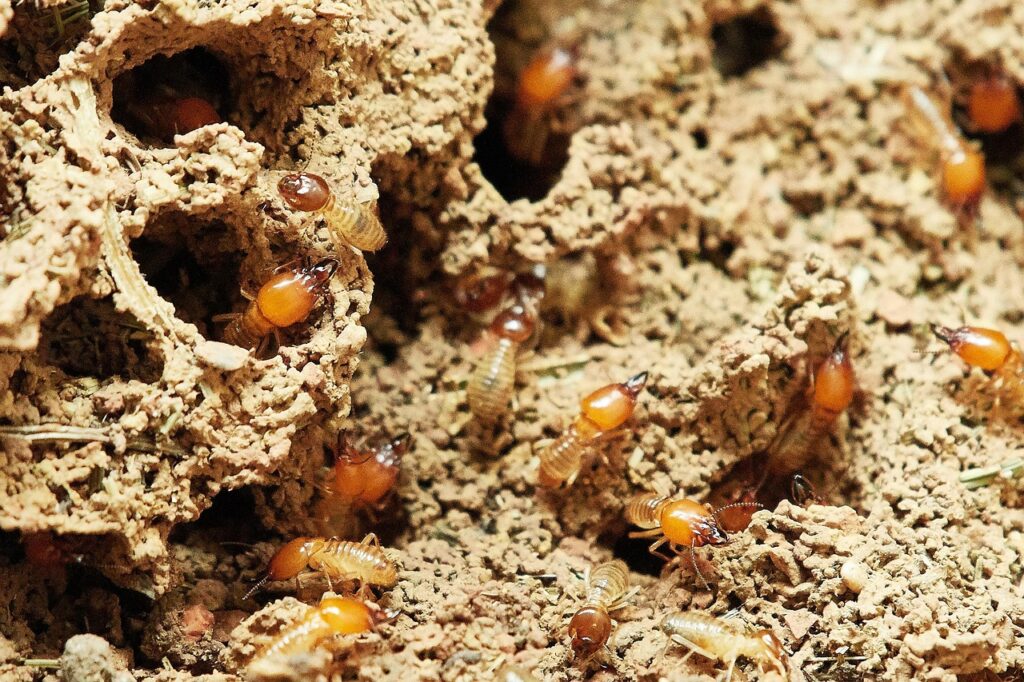
Termite treatment begins with confirmation. A careful inspection helps determine whether termites are active, where they may be feeding, and how they are reaching the structure. Without that step, it is easy to mistake old damage for new activity, or to miss the real source while focusing only on visible wood concerns.
- Inspection identifies mud tubes, damaged wood, moisture issues, crawl-space concerns, and other activity indicators.
- Treatment planning may involve liquid applications, baiting systems, or other targeted methods based on site conditions.
- Monitoring helps determine whether termite activity is declining or whether additional attention is needed.
- Documentation gives homeowners a clearer record of what was found and how the structure is being protected.
The goal is not only to stop visible evidence. The goal is to address the termite pressure behind it. Since termites often move from soil into wood through concealed pathways, treatment decisions should be based on evidence, not assumptions. That is where professional evaluation becomes important, especially when damage appears near foundations, baseboards, door frames, or moisture-prone areas.
Prevention Reduces the Conditions Termites Use
Prevention works differently from treatment. Instead of responding to confirmed activity, it focuses on lowering risk before termites become established. This includes identifying structural and environmental factors that may invite termite movement toward the home.
- Moisture control helps reduce the damp conditions termites often favor near foundations and crawl spaces.
- Wood-to-soil separation limits direct access between termite colonies and structural materials.
- Debris removal keeps scrap wood, old stumps, cardboard, and cellulose material from becoming nearby food sources.
- Entry-point awareness helps reveal cracks, gaps, and utility penetrations that may support hidden movement.
- Routine inspections create a regular opportunity to catch developing issues before they become severe.
Prevention also teaches homeowners what warning signs deserve attention. Mud tubes, hollow-sounding wood, soft trim, blistered surfaces, and discarded wings can all suggest a deeper concern. For a closer look at early termite warning signs, it helps to understand how subtle many of these clues can be before major damage becomes visible.
Treatment and Prevention Work Better Together
The strongest termite strategy is usually not treatment versus prevention. It is knowing when each one is needed and how the two support each other. Treatment handles the immediate concern. Prevention helps reduce the chance that the same risk pattern continues.
A one-time termite response may sound convenient, but termite risk is rarely static. Soil conditions change. Moisture shifts after storms. Landscaping grows closer to the structure. Wood can soften over time. Neighboring termite activity can also influence future pressure around nearby homes.
- Seasonal conditions can increase moisture around foundations, patios, and crawl-space areas.
- Landscaping choices may create shade, damp soil, or hidden access against the structure.
- Untreated wood near the home can attract termites foraging before the structure is noticed.
- Small leaks may create long-term softness in places homeowners rarely inspect.
- Older treatment zones may need professional review to confirm continued protection.
This combined approach is especially important for homes where pest pressure changes with the season. Spring growth, damp soil, warmer temperatures, and increased outdoor activity can all influence how pests move around a property. A broader look at eco-friendly timing also shows why careful planning matters when treatments need to be effective, responsible, and appropriate for the home environment.
Professional inspections bring structure to the decision. They help separate active termite evidence from unrelated wood wear, old damage, water problems, or general maintenance issues. They also help determine whether baiting, liquid treatment, monitoring, moisture correction, or prevention adjustments should be part of the plan.
Homeowners do not need to wait until floors sag, trim crumbles, or walls show visible damage before thinking about termites. The wiser approach is to treat activity when it exists and maintain prevention before it becomes expensive damage.
Build Protection Before Termites Take More
Termite treatment and prevention both protect the home, but they are strongest when guided by proper inspection and long-term planning. For careful termite control and property-focused pest protection, contact DAPS Services for professional services designed around practical, lasting defense.