Indoor air quality is influenced by more than ventilation, humidity, and household products. Pest activity can introduce droppings, shed skins, nesting materials, body fragments, odors, and microorganisms into areas where air circulates. Cockroaches, rodents, ants, spiders, termites, bed bugs, mosquitoes, and other pests may leave evidence in kitchens, attics, crawl spaces, storage rooms, and HVAC-adjacent areas.
Professional pest control helps reduce these sources by combining inspection, targeted treatment, prevention, and follow-up. The goal is not to make medical claims or treat respiratory conditions. It is to remove active pest pressure and the environmental conditions that allow contaminants and allergens to accumulate indoors.
Pest Debris Can Move Through Occupied Spaces
Pests rarely remain in one visible location. Cockroaches travel between drains, cabinets, appliances, and food-storage areas. Rodents move through attics, wall voids, garages, and utility spaces. Their activity can leave material that becomes disturbed during cleaning, repairs, foot traffic, or air movement.
Common indoor concerns include:
- Droppings deposited near food, insulation, shelving, or hidden travel routes
- Shed skins and insect fragments collecting in cracks and protected spaces
- Nesting materials carrying dust, hair, fibers, and outdoor debris indoors
- Urine or organic residue creating persistent odors in enclosed areas
- Dead pests remaining inside wall voids, traps, attics, or inaccessible cavities
A trained inspection helps determine whether these signs are isolated or connected to a larger infestation. Finding the source allows treatment and cleanup recommendations to focus on the areas that matter most.
Preparation Helps Technicians Reach The Source
Effective service depends on access to the places where pests hide, feed, and travel. Cluttered cabinets, blocked baseboards, inaccessible plumbing areas, or unsecured pet items may limit inspection and interfere with targeted treatment.
Following service preparation guidance helps create clearer access while protecting food, belongings, and pets. Preparation should follow the technician’s instructions because requirements vary by pest, treatment method, and room.
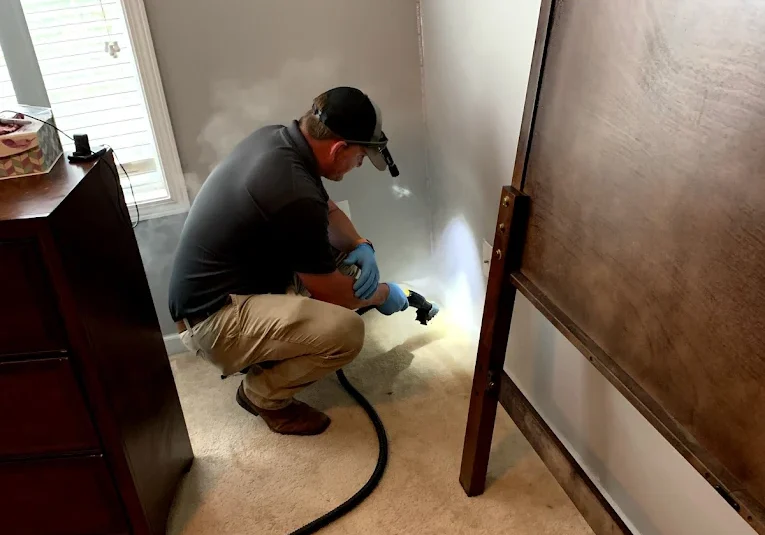
Professional technicians can inspect from the interior to the exterior, looking for active pests, entry points, moisture, food access, and other favorable conditions. This property-wide view is more useful than concentrating only on the room where a pest was first noticed.
Targeted Treatment Limits Unnecessary Exposure
Responsible pest control is based on evidence rather than broad, unfocused application. Technicians identify the pest and choose treatment locations that correspond with confirmed activity and likely harborages.
A professional plan may include:
- Applying materials to cracks, crevices, wall voids, or inaccessible pest routes
- Treating around windows, doors, plumbing penetrations, and other entry points
- Building an exterior perimeter to reduce pressure before pests move indoors
- Using pest-specific methods for cockroaches, ants, rodents, spiders, or termites
- Explaining drying, reentry, ventilation, and pet-safe precautions before service
Careful placement helps address pests while limiting treatment in commonly touched or occupied areas. It also supports better long-term results because the response is matched to the pest’s biology instead of relying on repeated surface spraying.
Lasting Results Require Follow-Up And Prevention
Indoor air concerns may continue when treatment removes visible pests but leaves the source active. Eggs, nests, colonies, moisture conditions, structural openings, or outdoor pressure can allow activity to return.
The reasons some summer treatments fade often involve incomplete source control, weather, untreated entry points, or missing follow-up. A one-time visit may not account for pest life cycles or changing seasonal pressure.
Prevention and monitoring may involve:
- Sealing gaps around utilities, vents, windows, doors, and exterior materials
- Correcting moisture near sinks, bathrooms, crawl spaces, or damaged plumbing
- Monitoring previously active rooms, wall edges, storage zones, and attics
- Keeping food, waste, and pet-feeding areas managed between scheduled visits
- Adjusting service frequency when recurring activity or property conditions require it
Routine follow-up allows technicians to compare new findings with prior evidence. If activity remains, the plan can be refined rather than repeated automatically.
Cleaner Indoor Conditions Begin With Source Control
Pest-related debris cannot be managed effectively if insects or rodents continue producing it. Cleaning visible material may improve the immediate area, but active nests, hidden routes, and structural access points can quickly recreate the same conditions.
Professional pest control supports source control by identifying what is active, where it is coming from, and which conditions help it persist. For rodent concerns, this may include locating access points and contaminated nesting areas. For cockroaches, it may mean examining moisture, appliances, cabinets, drains, and wall voids. Ants and spiders may signal broader insect activity or openings that deserve attention.
The strongest approach coordinates pest treatment with appropriate sanitation, repair, moisture correction, and monitoring. Technicians can explain which areas require specialized cleanup and when contaminated materials may need separate professional attention.
Indoor air quality depends on many factors, so pest service is only one part of a healthy indoor environment. However, removing pest activity can reduce avoidable allergens, odors, debris, and contamination. Detailed inspection and evidence-based treatment provide a more efficient path than reacting to isolated sightings without addressing the source.
Clear The Hidden Sources Behind Indoor Pest Activity
Contact DAPS Services for professional inspection, targeted pest control, prevention, and follow-up designed to support cleaner, more comfortable indoor spaces.