
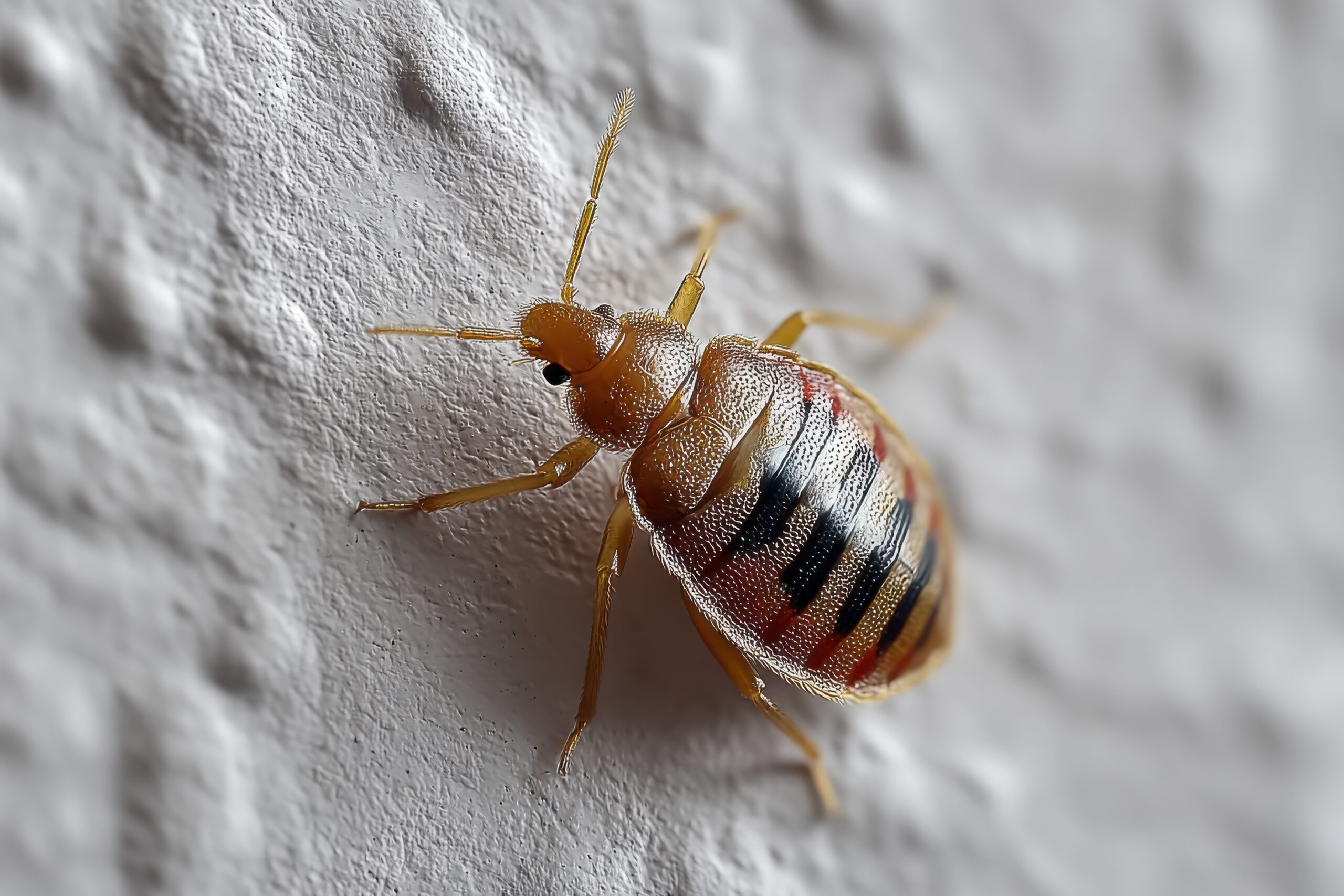
Bed bugs are one of the most stressful pests to find because they hide well, spread through belongings, and feed when people are resting. A few bites or small stains can quickly lead to concern about mattresses, furniture, closets, luggage, and nearby rooms. Effective pest treatments must reach the insects where they hide, not only where people first notice signs.
Two common professional options are heat treatments and chemical treatments. Each method has advantages, limits, and situations where it may be more appropriate. The right choice depends on infestation level, home layout, preparation needs, belongings, follow-up requirements, and the evidence found during inspection. Bed bug service should also fit within a broader pest strategy, since homes may face ants, termites, cockroaches, spiders, rodents, mosquitoes, and other pests throughout the year.

Heat Treatment Uses Temperature To Reach Hidden Areas
Heat treatment raises affected spaces to temperatures that are lethal to bed bugs in multiple life stages. Professional equipment, fans, sensors, and monitoring help distribute heat through rooms, furniture, cracks, and fabrics. The goal is to reach hiding areas that ordinary surface applications may miss.
- Heat can affect bed bugs in mattresses, furniture, baseboards, and small cracks.
- Treatment may reduce the need for repeated product applications in some situations.
- Professional monitoring helps confirm that target temperatures are reached.
- Preparation is still important because clutter can block heat movement.
The main advantage is broad reach. The main limitation is that heat leaves little residual protection after the service is complete. If bed bugs are reintroduced later, a new issue can begin.
Chemical Treatment Provides Residual Protection
Chemical treatment uses carefully selected materials applied to the areas where bed bugs hide, travel, or rest. Professional applications may target seams, cracks, crevices, furniture joints, baseboards, wall edges, and other protected areas. Some materials work on contact, while others remain active for a period after application.
Chemical service can be especially useful when follow-up and residual activity are needed. However, it depends on accurate placement and careful preparation. Bed bugs are skilled at hiding, so a casual or surface-only application is unlikely to solve the problem. A professional plan considers bed bug behavior, room layout, and where activity has been confirmed.
Because some summer pest treatments fail when the source remains active, inspection and follow-up are essential. The method matters, but the strategy behind it matters just as much.
Comparing Pros And Cons For Homeowners
Both options can be effective, but neither should be chosen without inspection. Bed bug infestations vary by room, furniture type, activity level, and how long the issue has been present. Comparing the pros and cons helps homeowners understand why professionals may recommend one method or a combined plan.
- Heat treatment can work quickly across treated spaces but may cost more.
- Chemical treatment can leave residual protection but often requires follow-up.
- Heat may be useful for heavy activity in furniture, fabrics, and hidden areas.
- Chemical applications may be easier to target in smaller or more localized activity.
The best option is the one that matches the evidence. Professional guidance helps avoid under-treating a serious infestation or overcomplicating a limited one.
Signs Help Determine The Best Treatment Path
Treatment selection begins with what the inspection finds. Bed bugs may leave dark stains, shed skins, eggs, live insects, bites, or activity near resting areas. Odor can also become noticeable in heavier infestations, though it should not be the only sign used for diagnosis.
A guide to bed bug odors helps explain why smell may suggest hidden activity, especially when combined with stains, skins, and sightings. Professionals use these clues to decide where to inspect more closely and how treatment should be structured.
This matters because bed bugs can spread beyond the bed. Sofas, chairs, outlets, baseboards, curtains, luggage, and nearby bedrooms may all need attention depending on the findings.
Follow-Up Makes Treatments More Reliable
Bed bug control is rarely about one visible insect. It is about interrupting activity in every affected area and confirming that the problem is declining. Follow-up supports both heat and chemical approaches, especially when clutter, multi-room activity, shared walls, or travel exposure are involved.
- Reinspections help confirm whether activity remains after treatment.
- Follow-up visits allow technicians to adjust the plan if signs continue.
- Preparation instructions help improve treatment reach and effectiveness.
- Long-term awareness reduces the chance of reintroduction from travel or used furniture.
A complete plan may also consider ants, termites, cockroaches, spiders, rodents, mosquitoes, and related pest concerns around the home. A professional recommendation can compare heat, chemical, or combined treatment options based on actual conditions. That careful process helps protect comfort, reduce uncertainty, and support stronger long-term results.
Choose The Treatment That Fits The Evidence
Bed bug treatment works best when inspection, preparation, service method, and follow-up all support the same goal. For clear guidance on heat, chemical, or combined pest treatments for your home, contact DAPS Services for professional support shaped around the evidence found on your property.