Recurring ant problems can feel deceptively simple at first. A trail appears, disappears, and then returns days later as if nothing was done. This pattern is not random. It is often a sign that the underlying colony remains active and connected to your property.
Ants operate through complex systems of nesting, foraging, and communication. Addressing them effectively requires more than surface-level treatments. This is where customized pest control plans become essential, offering a more precise and lasting solution tailored to how ants behave in specific environments.
Why Ant Infestations Keep Coming Back
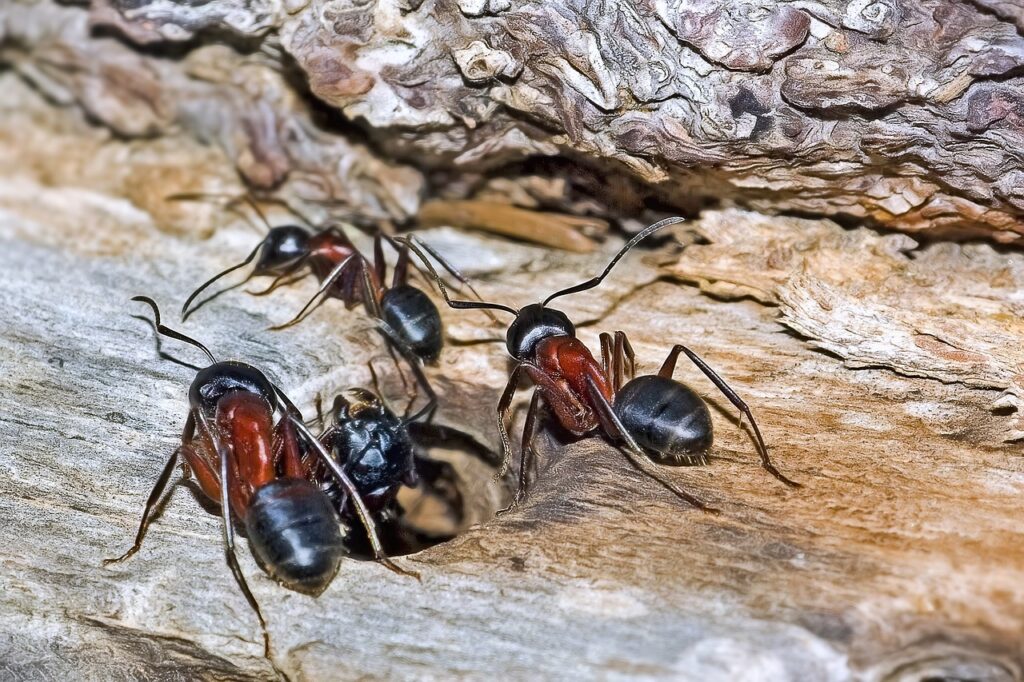
Ant infestations are persistent because they are rarely limited to what is visible. The ants seen on countertops or floors are only a small portion of a much larger colony that may be located outside, within walls, or beneath structures.
Understanding this behavior explains why temporary fixes often fail.
- Hidden nesting locations. Colonies can exist deep within soil, behind walls, or under foundations, making them difficult to reach directly.
- Multiple entry points. Ants can enter through tiny cracks, utility lines, or gaps that are easily overlooked.
- Strong pheromone trails. Ants leave chemical paths that guide others back to food sources, reinforcing repeated activity.
- Rapid colony expansion. Once a food source is established, colonies can grow quickly and spread to nearby areas.
Without addressing these factors, infestations tend to return even after initial treatment.
How Customized Pest Control Plans Target Ant Behavior
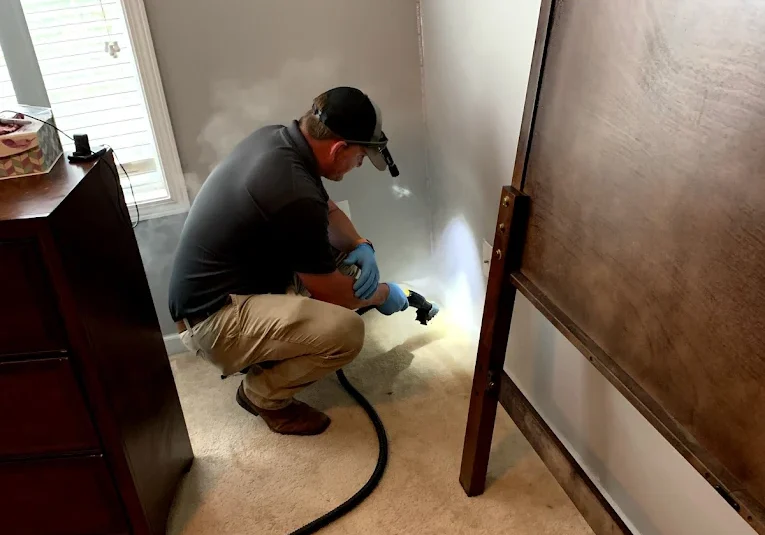
Customized pest control plans are designed around the specific patterns of ant activity on a property. Rather than applying a standard solution, professionals analyze where ants originate, how they travel, and what attracts them.
This approach allows treatments to focus on the source rather than just the symptoms.
- Colony-focused treatment. Strategies aim to eliminate the nest, not just the visible ants.
- Trail disruption. Removing or neutralizing pheromone trails helps prevent ants from returning to the same locations.
- Targeted placement. Treatments are applied in areas where ants are most active, including hidden pathways.
- Environmental adjustments. Identifying food and moisture sources reduces the conditions that support infestations.
By aligning treatment methods with ant behavior, customized pest control plans create a more effective and lasting outcome.
The Role Of Inspection And Monitoring In Long-Term Control
A key component of managing recurring ants is ongoing observation. Initial treatment may reduce activity, but long-term control depends on monitoring how conditions change over time.
- Detailed inspections. Professionals assess both interior and exterior areas to locate nesting zones and entry points.
- Activity tracking. Monitoring patterns helps determine whether ant populations are decreasing or shifting locations.
- Seasonal adjustments. Ant behavior can change throughout the year, requiring updates to treatment strategies.
- Follow-up evaluations. Regular visits ensure that any new activity is addressed before it becomes a larger issue.
This level of attention helps maintain control and prevents small issues from developing into full infestations.
How Prevention Strategies Strengthen Customized Plans
Prevention plays a critical role in supporting customized pest control plans. Even the most effective treatments can lose impact if the conditions that attract ants remain unchanged.
For example, managing exterior activity is often just as important as treating interior spaces. Controlling ant movement at the perimeter can significantly reduce indoor intrusion, which is explored further in our blog discussing spring perimeter treatments.
Preventative measures also include maintaining cleanliness, sealing entry points, and addressing moisture issues. These steps work alongside treatment plans to create an environment that is less inviting to ants.
By combining treatment with prevention, customized pest control plans become more resilient and effective over time.
When Recurring Ant Problems Require Professional Solutions
Recurring ant issues often indicate that the infestation extends beyond what can be easily managed without professional insight. While temporary measures may reduce visible activity, they rarely address the root of the problem.
Certain situations make professional intervention especially important, such as persistent trails, multiple nesting sites, or infestations that spread to different areas of the property.
Recognizing when to seek help can prevent ongoing frustration and repeated infestations. This is discussed further in our article on professional ant service timing, which outlines when expert involvement becomes necessary.
Professional pest control brings a level of precision and strategy that is difficult to achieve otherwise. By identifying the full scope of the infestation and applying targeted solutions, it becomes possible to break the cycle of recurring ants.
A More Strategic Path To Lasting Ant Control
Recurring ant problems require more than quick fixes. They demand a thoughtful approach that considers how ants behave, where they originate, and what allows them to thrive.
Customized pest control plans provide that level of precision, combining targeted treatments with ongoing monitoring and prevention.For a more effective and lasting solution to recurring ant issues, contact DAPS Services and take the next step toward reliable pest control.