
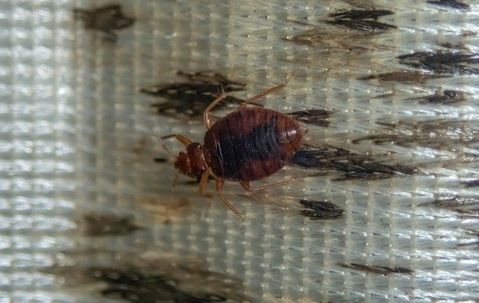
Bed bugs are among the most dreaded household pests because of their resilience, persistence, and ability to spread quickly. Once they enter a home, they multiply rapidly and infest areas where people rest or sleep. Their bites may cause itching, irritation, or even allergic reactions in some individuals, and the psychological stress of knowing they are present often adds to the discomfort. Attempting to eliminate them without expertise rarely succeeds, which is why professional intervention remains the most effective path to long-term relief.
For homeowners facing an infestation, the uncertainty of what happens during treatment often adds stress to an already overwhelming situation. Understanding the step-by-step process of a professional bed bug treatment provides clarity, reassurance, and confidence. It also helps households prepare in advance so the treatment can be carried out effectively with minimal disruption.

Inspection And Initial Assessment
Every successful bed bug treatment starts with a comprehensive inspection. Professionals look for evidence of live insects, eggs, stains, or shed skins, all of which indicate bed bug activity. These pests are masters of concealment, hiding in mattress seams, cracks in furniture, behind baseboards, or inside electrical outlets. Without a methodical inspection, many signs may be overlooked, allowing infestations to persist.
- Identifying hotspots: Technicians focus on areas where people sleep and rest, such as beds, couches, and recliners. They also check less obvious areas like curtains, dressers, and wall hangings. Knowing how to recognize hiding spots in your furniture is vital for effective detection.
- Assessing severity: Treatment varies depending on how widespread the infestation is. A few isolated spots may need targeted solutions, while extensive infestations require more comprehensive approaches.
- Evaluating neighboring risks: In multi-unit housing, technicians may inspect adjoining units to stop infestations from spreading. This step is crucial because bed bugs often travel through walls, ceilings, and hallways.
By completing this detailed assessment, professionals can create a customized treatment plan that addresses the unique conditions of each home.
Preparation Steps For Homeowners
Preparation is an essential part of any bed bug treatment. Technicians provide clear instructions, and following them closely makes the process more efficient and effective. Homeowners are active participants in this stage, as their efforts directly impact treatment success.
- Decluttering rooms: Reducing clutter limits hiding places and makes it easier for technicians to treat every surface. Piles of clothes, books, or stored items can harbor pests, so removing them is critical.
- Washing fabrics: Clothing, bedding, and curtains should be washed and dried on the highest heat settings to kill any insects or eggs attached to them.
- Vacuuming surfaces: A thorough vacuuming of carpets, rugs, and upholstered furniture helps remove pests on the surface before professional treatment begins.
- Protecting personal items: Bagging or sealing belongings in plastic reduces the chance of pests escaping or reinfesting after treatment.
- Following instructions carefully: Each home is different, so preparation steps are tailored to the property. Skipping these steps may limit how effective the treatment is.
When homeowners commit to preparation, they give technicians the best chance to apply treatments effectively and achieve long-lasting results.
Treatment Methods Used By Professionals
Professional bed bug treatment is designed to eliminate pests in every stage of life, from eggs to adults. Unlike store-bought products that provide only temporary relief, professional methods are comprehensive and precise.
- Heat treatments: High temperatures are used to kill bed bugs in all life stages. This method penetrates furniture, cracks, and fabrics without leaving chemical residue.
- Targeted chemical applications: When needed, technicians apply safe, approved products that reach into areas where bed bugs hide. These products are carefully applied to ensure safety for people and pets.
- Vacuuming and steaming: Surfaces such as mattresses, couches, and carpets may be vacuumed and treated with steam to remove visible pests immediately.
- Mattress encasements: Sealing mattresses and box springs prevents remaining pests from escaping and traps them until they die.
- Multi-unit coordination: In apartments or condos, treatment may include several units at once. Guidance for bed bug infestations in multi-unit housing shows why community-wide approaches are sometimes necessary.
Each method is chosen based on the extent of the infestation and the specific needs of the property. The combination of tools and techniques ensures no area is left untreated.
Post-Treatment Monitoring And Follow-Up
Eliminating bed bugs often requires more than one visit. Because eggs may hatch after the initial treatment, follow-up appointments are a crucial part of the process. Professional care is not limited to a single application but includes ongoing monitoring to ensure pests are fully eradicated.
- Scheduled inspections: After treatment, technicians return to check for lingering activity and confirm success.
- Use of traps or monitors: Special devices may be placed under beds and furniture to detect any remaining pests.
- Homeowner observations: Residents are encouraged to report any new signs, such as bites or visible insects, so technicians can adjust strategies if needed.
- Preventive recommendations: Experts provide advice on cleaning, sealing cracks, and reducing risks to prevent future infestations.
This continued attention offers reassurance to homeowners and ensures the treatment delivers lasting results.
Long-Term Prevention And Peace Of Mind
Professional bed bug treatment does more than solve the immediate problem; it also establishes strategies for preventing reinfestations. Bed bugs are excellent hitchhikers, often entering homes through luggage, used furniture, or visitors. Without ongoing vigilance, they can return even after a successful treatment.
- Regular inspections: Scheduling periodic checks helps identify new activity early, before it becomes a larger issue.
- Travel precautions: Inspecting hotel rooms, keeping luggage off the floor, and washing travel clothes promptly can reduce risks.
- Furniture awareness: Avoiding secondhand furniture unless it has been inspected minimizes the chances of bringing pests inside.
- Consistent cleaning: Frequent vacuuming and laundering of bedding help eliminate potential hiding spots.
- Community action: In shared housing, residents must work together to prevent the spread of pests between units.
Taking preventive steps and maintaining professional support ensures peace of mind for families who want lasting protection against future infestations.
Take The Stress Out Of Bed Bug Control
A bed bug infestation is never easy, but professional care removes uncertainty and delivers real solutions. With the right combination of inspection, preparation, treatment, and follow-up, households can move forward confidently, knowing their home is protected.
Protect Your Home With Expert Care
Ensure your home stays safe and comfortable by contacting DAPS Services. Our expertise in bed bug treatment offers reliable solutions that protect your household long-term.