
Ant invasions are a common frustration for homeowners and businesses alike. These tiny pests are highly organized, operate in large colonies, and are relentless when searching for food and water. What begins as a few ants trailing across a countertop can escalate into a full infestation if the colony has found a reliable resource. This makes ants more than just a nuisance; left unchecked, they can contaminate food, damage property, and create persistent stress for property owners.
The best way to handle ants is not through one-time treatments but with a structured, long-term approach. Regular pest maintenance plays a crucial role in preventing ants from establishing colonies indoors. By creating consistent barriers, monitoring high-risk areas, and adapting strategies to the time of year, pest professionals keep homes and businesses protected from invasion.
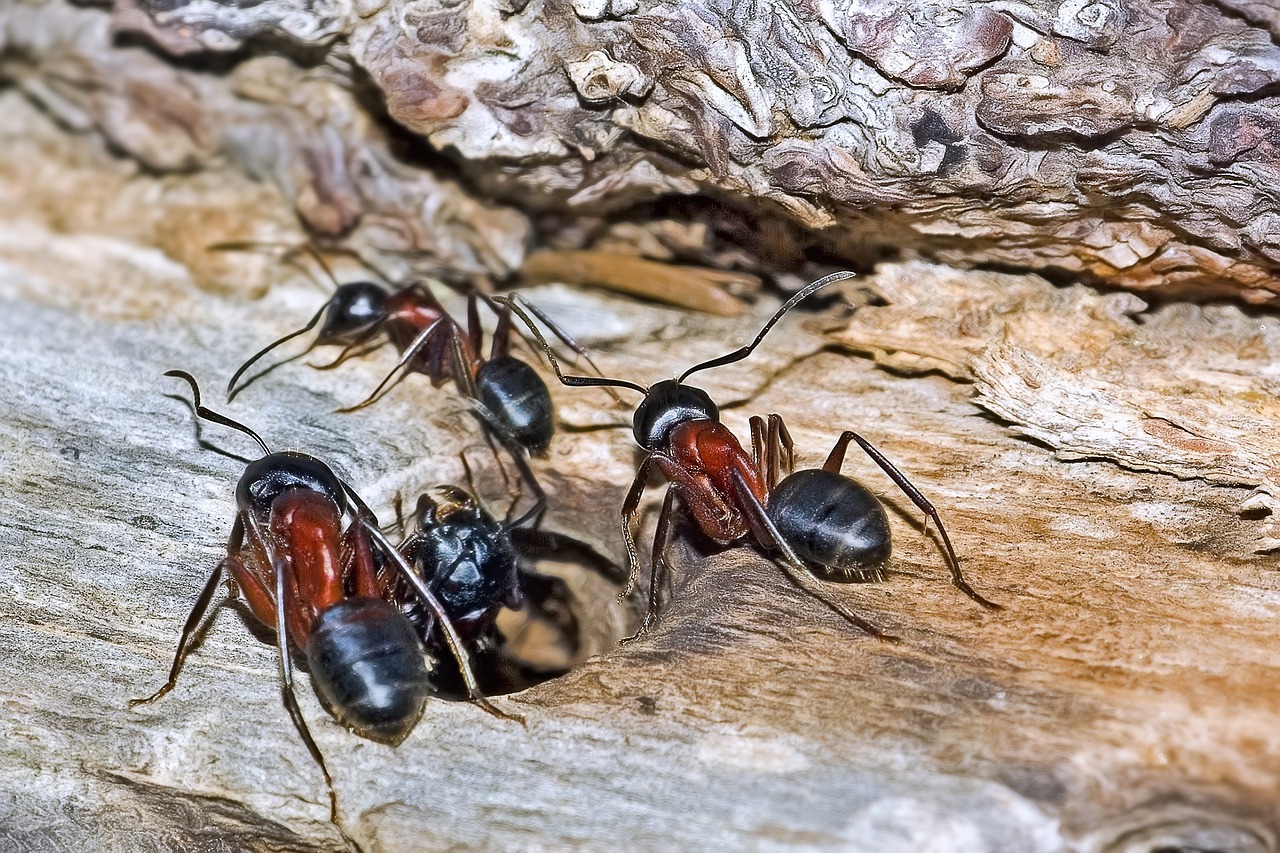
Why Ant Invasions Happen
Ants invade for a variety of reasons, and their ability to adapt makes them particularly difficult to control once they settle in. By understanding what draws them indoors, property owners can see why prevention is more effective than reaction.
- Food sources: Even the smallest crumbs or spills can attract hundreds of ants. Kitchens, pantries, and pet feeding areas are common hotspots.
- Moisture: Ants seek out damp environments. Leaky pipes, standing water, and humid basements can support entire colonies.
- Access points: Cracks in foundations, poorly sealed windows, and gaps under doors are all easy entryways for ants.
- Seasonal activity: Ant behavior changes throughout the year. In warmer months, colonies forage more actively, while in cooler months they may migrate indoors.
In some cases, ant problems stem from specific species with unique habits. For example, knowing how to identify and respond to odorous house ant infestations is critical, as they are persistent and known to return if treatments are not thorough.
Benefits of Regular Pest Maintenance
Routine pest maintenance provides ongoing protection that goes beyond dealing with ants once they appear. A scheduled plan ensures that potential infestations are caught early and that preventive barriers are always in place.
- Early detection: Regular inspections spot small issues before they grow into full infestations. This reduces both damage and costs over time.
- Preventive barriers: Professionals apply safe treatments that create invisible protective zones around a home, blocking ant entry.
- Customized solutions: Each property is different, and maintenance programs can be tailored to account for layout, landscaping, and local pest activity.
- Peace of mind: Knowing that trained professionals are monitoring your property ensures you do not face unexpected invasions alone.
Instead of cycling between infestation and treatment, maintenance offers a steady level of protection that adapts to the changing needs of the home throughout the year.
Seasonal Pest Challenges and Ant Control
Ant activity does not remain constant year-round. Instead, it shifts with the seasons, meaning prevention strategies must also adjust to stay effective. Regular pest maintenance ensures that your property is prepared for these changes before problems arise.
- Spring: Colonies expand and new foraging trails are established. Early treatments prevent ants from entering homes in search of food.
- Summer: Heat and moisture make conditions ideal for foraging and breeding. Outdoor treatments and inspections are especially important.
- Fall: As resources outside decline, ants move indoors seeking warmth and sustenance. Entry points become more vulnerable during this time.
- Winter: Ants slow down but do not disappear. Indoor colonies may remain active within walls or foundations, requiring ongoing monitoring.
Understanding these seasonal shifts helps homeowners anticipate issues. Professional insight into seasonal pest activity is valuable for adjusting prevention efforts and ensuring continuous coverage.
Key Strategies for Preventing Ant Invasions
While each property has unique risk factors, there are universal strategies that help deter ants. Regular maintenance incorporates these steps, ensuring they are applied consistently and effectively.
- Eliminate attractants: Food should always be stored in sealed containers. Spills should be cleaned promptly, and pet food should not be left out overnight.
- Reduce moisture: Fix leaky pipes, ensure basements and crawl spaces are well-ventilated, and direct gutters away from the foundation.
- Seal entry points: Cracks in walls, gaps in windows, and unsealed door frames should be repaired to limit ant access.
- Maintain landscaping: Vegetation should be trimmed away from the house, and mulch should not be piled directly against foundations.
Though these practices help, professional treatments add the most reliable layer of defense by breaking the cycle of ant activity and reinforcing prevention efforts.
Why Professional Oversight Matters
DIY treatments often provide only temporary results. Ant colonies can have multiple queens, allowing them to rebound quickly even after part of the colony is destroyed. Over-the-counter sprays and traps typically target the ants you see but fail to reach the colony itself.
Professional pest maintenance solves this issue by combining advanced treatments with expertise. Technicians understand colony behavior, can identify specific species, and use products that target not just worker ants but also queens and brood. They also ensure treatments are applied safely, reducing risks to pets and family members.
Ultimately, professional oversight provides a level of consistency and thoroughness that DIY methods cannot. This means fewer surprises, stronger protection, and the assurance that ant invasions are managed before they can take hold.
Keep Ants Out for Good
Ant invasions are persistent, but they do not have to be a recurring problem. Regular pest maintenance creates a protective shield around your home and adapts with the seasons to ensure lasting protection. For comprehensive prevention and reliable ant control, contact DAPS Services today and keep your property ant-free year-round.