
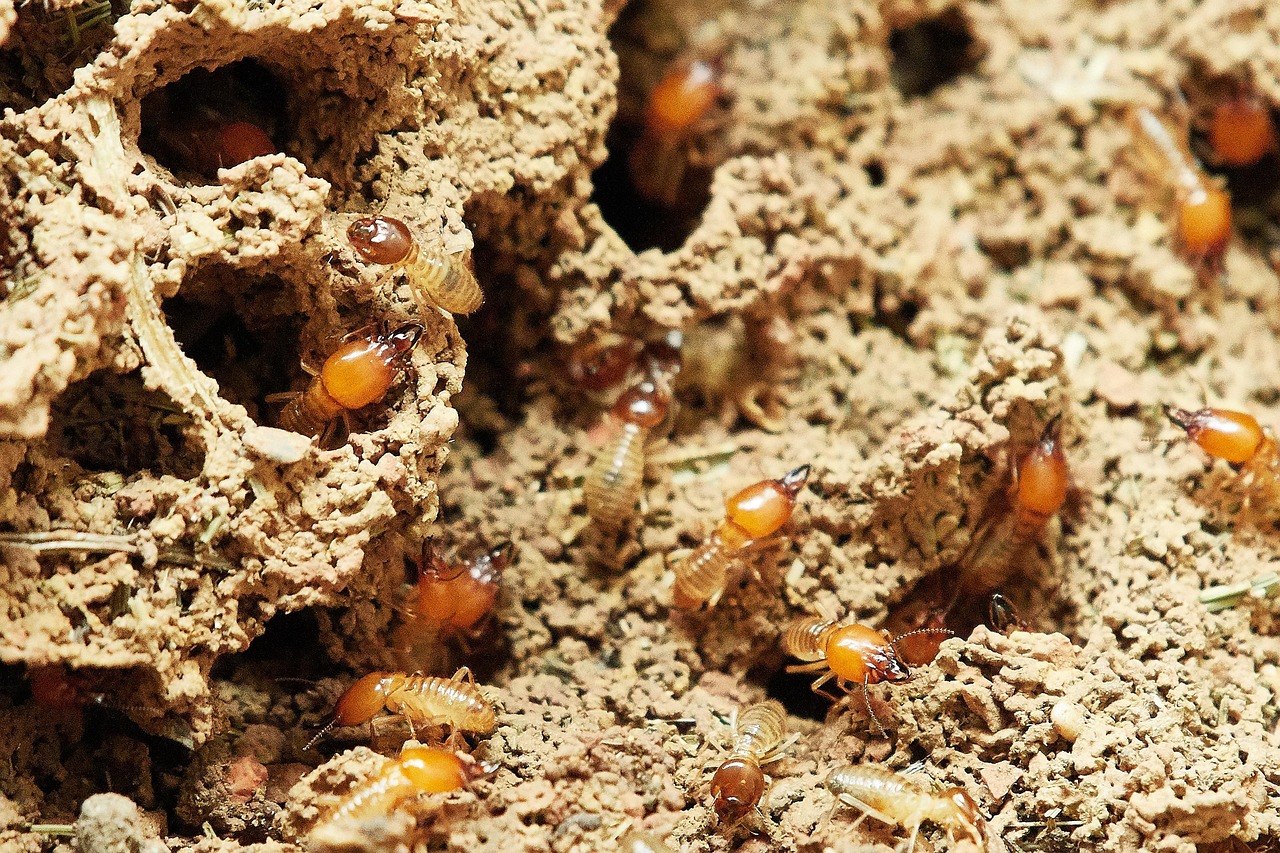
Termites can remain hidden for long periods while feeding inside wood, beneath flooring, around foundations, or through concealed structural pathways. Because visible damage may appear only after activity is established, termite control often relies on methods that work beyond the surface.
Termite bait stations are designed to intercept foraging termites around a property and introduce a slow-acting treatment that can be carried back through the colony. Rather than depending on one-time surface treatment, baiting combines monitoring, targeted treatment, and follow-up. When placed and maintained correctly, the system can help reduce colony activity while giving technicians an ongoing way to detect changes around the structure.
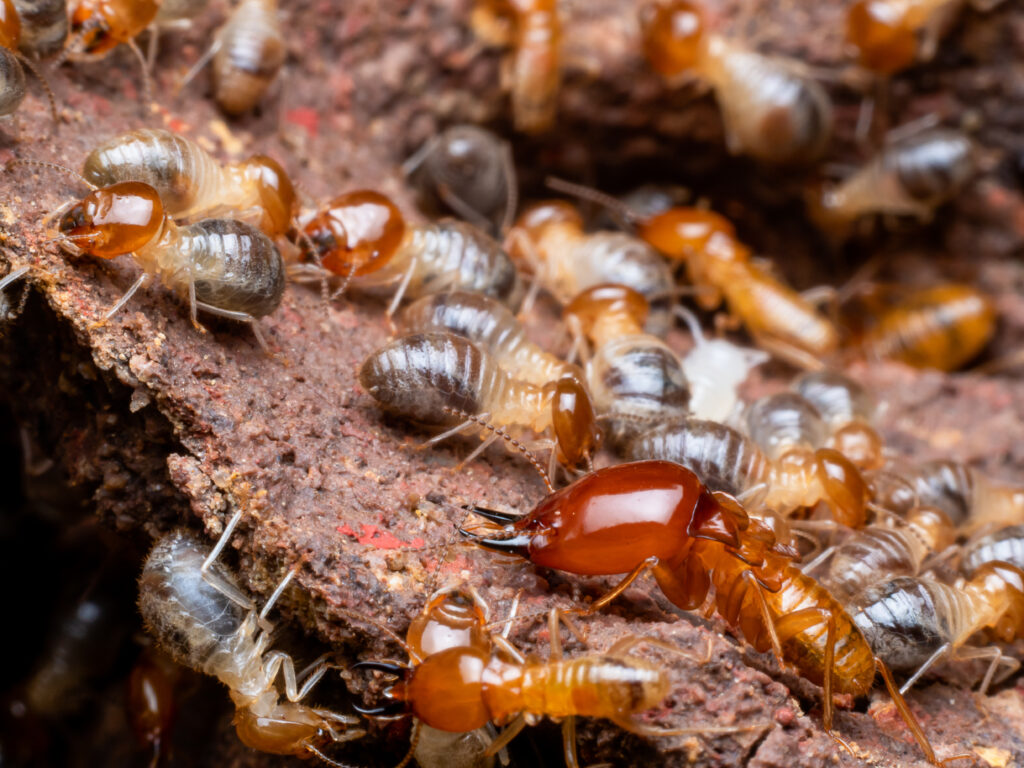
How Bait Stations Intercept Foraging Termites
Subterranean termites continuously search through soil for cellulose-based food sources. Bait stations are installed in strategic locations around a structure where termites are likely to travel. The stations contain material that attracts feeding termites, allowing technicians to monitor for activity and introduce bait when needed.
A professional baiting plan may involve:
- Placing stations at measured intervals around the structure
- Checking soil conditions and likely termite travel zones
- Monitoring stations for feeding or termite presence
- Replacing monitoring material with active bait when appropriate
- Recording which stations show activity over time
- Adjusting service based on new evidence around the property
This monitoring approach supports long-term termite control because it gives technicians repeated opportunities to detect activity instead of relying only on visible signs inside the building.
Why Slow-Acting Bait Reaches Beyond One Termite
Termite bait is designed to work gradually. Foraging workers feed on the bait and return to the colony, where food is shared with other termites. Because the active ingredient does not kill them immediately, termites have time to continue normal feeding and social behavior before the treatment takes effect.
That delayed action is important. A fast-killing material placed only where termites are seen may affect exposed individuals without reaching enough of the colony. Baiting focuses on termite behavior and food sharing, allowing treatment to move beyond the station itself.
The broader principles behind commercial pest prevention also apply here. Accurate identification, inspection, monitoring, and property-specific treatment are more useful than generalized applications that ignore how a particular pest lives and moves.
Baiting Works Best As Part Of A Full Inspection
Bait stations are valuable, but they do not replace a professional termite inspection. Technicians still need to evaluate foundations, crawl spaces, garages, plumbing areas, wood-to-soil contact, moisture, and structural changes that may support termite access.
Important inspection priorities include:
- Looking for mud tubes along foundation surfaces
- Checking wood for hollowing or internal damage
- Evaluating moisture around plumbing and drainage
- Inspecting crawl spaces and concealed structural areas
- Identifying wood or cellulose material close to soil
- Reviewing previous termite treatment or repair areas
The inspection helps determine whether baiting is appropriate on its own or whether another treatment method should be considered. Some properties may benefit from liquid applications, soil barriers, or a combination based on the location and severity of activity.
Monitoring Helps Confirm Whether Treatment Is Working
One of the strongest advantages of termite bait stations is that they create an ongoing monitoring system. Technicians can return to the same locations, check for feeding, replenish bait, and compare activity across visits.
This matters because termites can remain concealed even while treatment is working. Surface appearance alone does not show whether colony pressure has declined or whether new activity has developed elsewhere around the property.
A discussion of hidden termite damage explains why continued inspection is important after treatment begins. Termites may feed inside framing, sill plates, joists, subfloors, and other cellulose-based materials without creating immediate surface changes.
Professional follow-up makes it possible to track the system and respond if a different station becomes active or moisture conditions change.
Long-Term Protection Depends On Maintenance And Property Conditions
Bait stations are not a set-it-and-forget-it solution. Their effectiveness depends on correct placement, routine inspection, bait replacement, and attention to the property conditions that influence termite pressure.
A long-term termite control plan may include:
- Inspecting bait stations on the recommended schedule
- Replacing damaged or depleted monitoring materials
- Correcting drainage and recurring moisture problems
- Reducing wood-to-soil contact near structures
- Rechecking previously damaged or repaired areas
- Documenting new termite evidence between visits
Professional maintenance is especially important because an inactive station does not necessarily mean the entire property is termite-free. Termite foraging patterns can shift, colonies can approach from different directions, and building conditions can change over time.
Bait stations work best as part of an evidence-based system. They allow technicians to monitor activity, introduce targeted treatment through termite feeding behavior, and maintain protection through repeated checks. When baiting, inspection, moisture management, structural awareness, and follow-up are combined, property owners gain a more complete way to manage hidden termite pressure without relying on visible damage as the first warning.
Stay Ahead Of Hidden Termite Activity
If you want a professional evaluation of termite activity and whether bait stations fit your property, contact DAPS Services for inspection, termite control, monitoring, and long-term protection.