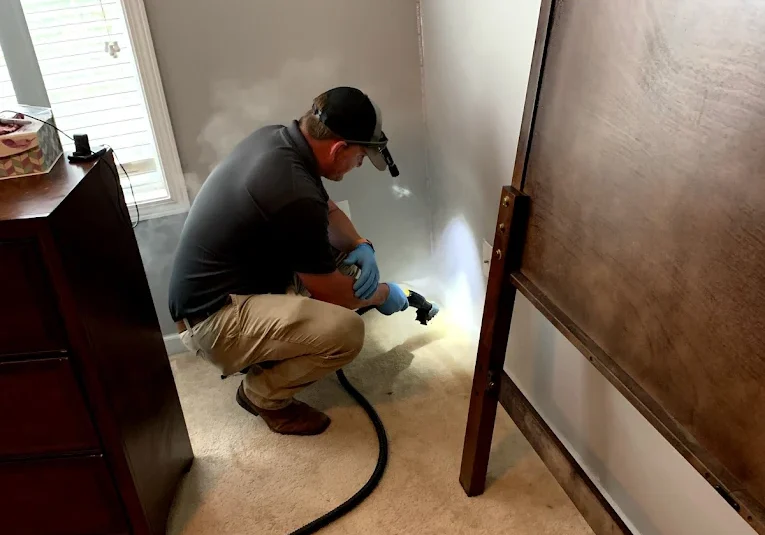
Summer can put commercial properties under heavier pest pressure. Heat, moisture, deliveries, outdoor dining, landscaping, waste areas, and open doors can create more opportunities for ants, termites, cockroaches, spiders, rodents, mosquitoes, bed bugs, and other common pests to move closer to business spaces. For offices, restaurants, retail stores, warehouses, schools, childcare centers, and service facilities, even a small pest issue can affect comfort, cleanliness, reputation, and daily operations.
A pest inspection gives business owners and property managers a clearer view of what is happening before activity becomes disruptive. It helps identify entry points, moisture concerns, nesting areas, sanitation risks, and early warning signs. During summer, that information is especially valuable because pests can reproduce and spread quickly when the conditions are right.
Inspections Find Activity Before Complaints Start
The clearest benefit of a summer inspection is early detection. Customers, staff, tenants, students, or visitors should not be the first people to notice pest activity. A professional inspection looks for subtle signs before the issue becomes visible in high-traffic areas.
- Droppings can reveal rodents near storage, kitchens, or utility spaces.
- Ant trails may show food, water, or exterior colony pressure.
- Roach evidence can appear near drains, appliances, and warm equipment.
- Spider webs may indicate that other insects are active nearby.
Early findings help businesses respond while the issue is still limited. That can reduce disruption, protect the workplace atmosphere, and prevent a small concern from turning into a larger service interruption.
Summer Risk Varies By Business Type
Different commercial properties have different pest risks. A restaurant may deal with food residue, drains, dumpsters, and deliveries. An office may have break rooms, storage closets, plants, and shared restrooms. Schools and daycare facilities may have food areas, cubbies, playgrounds, and sensitive spaces where timing and communication matter.
A guide to school pest planning explains why pest service should align with the building’s daily use. Educational and childcare environments need careful scheduling, clear documentation, and attention to areas where children gather. The same principle applies to other businesses. A pest inspection should match the property’s layout, traffic, and risk level.
Professional evaluation helps separate general pest pressure from building-specific concerns, making the next step more accurate for staff, customers, and property decision-makers.
Documentation Supports Cleaner Operations
Commercial pest concerns are not only about removing visible pests. Businesses also need records, communication, and accountability. Inspection notes help managers understand what was checked, what was found, and which areas need attention. This is useful for internal teams, landlords, tenants, vendors, and leadership.
- Service records help track recurring activity over time.
- Findings can guide maintenance, sanitation, and repair priorities.
- Documentation helps staff understand what areas need better access.
- Follow-up notes create a clearer history for future inspections.
Good documentation also helps protect reputation. When a business can show that pest concerns are being monitored and handled professionally, it supports confidence among employees and stakeholders.
Service Timing Helps Reduce Recurrence
Summer pests often return when the source is not addressed or when service timing does not match the level of pressure. Ants, roaches, mosquitoes, rodents, spiders, termites, and bed bugs each require different levels of attention. Some issues may need close follow-up, while others may be managed through scheduled inspections and prevention-focused service.
Understanding commercial service timing is important because business properties cannot rely on guesswork. A warehouse with rodent pressure may need a different schedule from a retail store with occasional ants or an office with seasonal mosquitoes near entry areas.
A professional inspection helps determine whether monthly, quarterly, seasonal, or issue-specific service makes the most sense. That makes pest control more efficient and less reactive.
Prevention Protects Reputation And Property
A summer inspection can reveal conditions that may not seem urgent but can become costly if ignored. Door gaps, roofline openings, standing water, cluttered storage, leaking pipes, exterior vegetation, dumpster placement, and cracks near utilities can all contribute to pest pressure. Addressing these conditions supports long-term protection.
- Entry-point review can reduce movement from outside to inside.
- Moisture checks help identify conditions that attract roaches, ants, and mosquitoes.
- Storage-area inspections can reveal rodents, spiders, or bed bug risks.
- Exterior reviews can show where termites, mosquitoes, or ants may become active.
Prevention matters because pests affect more than comfort. They can interrupt operations, damage materials, create sanitation concerns, and weaken trust. A professional pest inspection gives businesses a practical way to stay ahead of summer activity instead of responding after complaints, sightings, or damage appear.
The best commercial plan starts with information. Once the property is inspected, service can be shaped around actual conditions, pest type, building use, and follow-up needs. That evidence-based approach helps protect staff, customers, visitors, and the business environment through the busiest warm-weather months of the year.
Keep Business Spaces Protected This Summer
For a pest inspection that identifies hidden activity, seasonal pressure, entry points, and prevention needs before problems disrupt your business, contact DAPS Services for professional support tailored to commercial properties.