
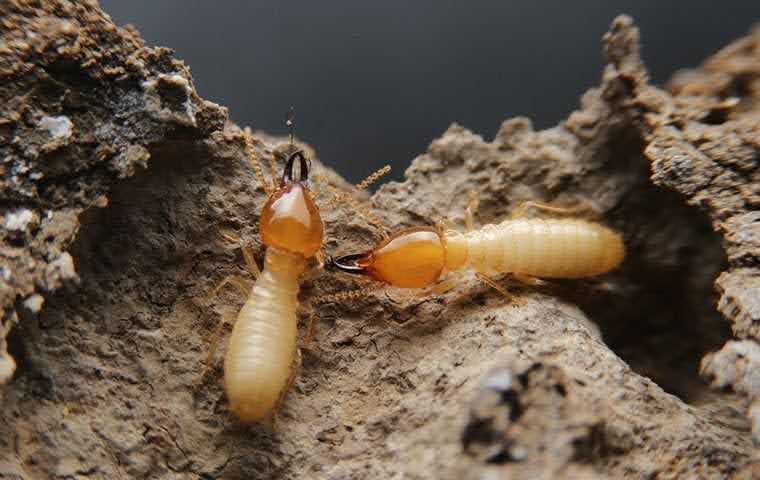
Termites are among the most destructive pests a property can encounter, largely because their activity often goes unnoticed until significant damage has already occurred. Walls, in particular, provide an ideal environment for termites to feed and travel undetected. By the time visible signs appear, the infestation may already be well established.
From a professional perspective, identifying early indicators of termite damage is critical. A timely response supported by effective termite control strategies can prevent structural issues from escalating. Understanding what to look for inside your walls helps property owners take informed action before the problem becomes more complex.
Why Termites Target Wall Structures
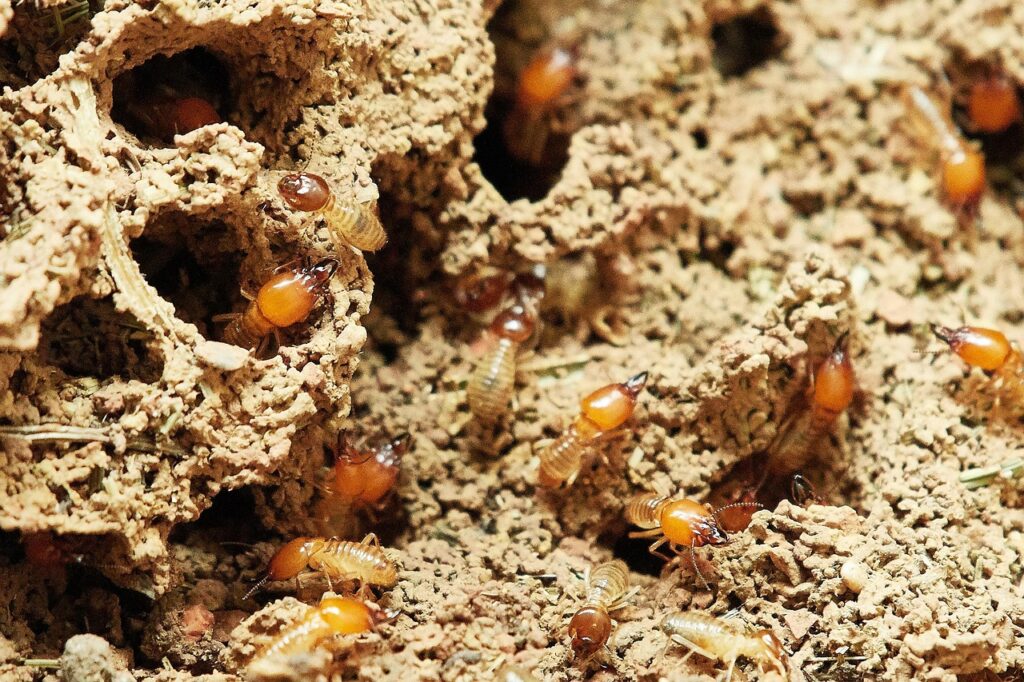
Walls offer termites both protection and consistent access to food sources. Wood framing, insulation materials, and even drywall can become part of their feeding environment.
Several conditions make walls especially vulnerable:
- Concealed access. Termites can enter through small cracks and remain hidden inside wall cavities.
- Steady moisture levels. Humidity within walls supports termite survival and activity.
- Abundant food supply. Wooden structural components provide a continuous source of nourishment.
- Limited disturbance. Wall interiors allow colonies to expand without interruption.
- Direct soil contact. Subterranean termites often travel from the ground into wall structures.
These factors create an environment where termites can thrive without detection, making early awareness essential.
Common Visible Signs of Termite Damage
Although termites prefer to remain hidden, certain signs may appear on or around wall surfaces. Recognizing these indicators can help identify a potential problem early.
- Discoloration on walls. Uneven patches or darkened areas may signal internal damage.
- Bubbling or peeling paint. This can resemble water damage but may indicate termite activity beneath the surface.
- Small pinholes. Tiny openings can appear where termites have penetrated the wall surface.
- Mud tubes. Thin, soil-like tunnels may be visible along walls or near baseboards.
- Hollow-sounding walls. Tapping on affected areas may produce a different sound due to internal damage.
These signs often develop gradually, making them easy to overlook. Paying close attention to subtle changes can make a significant difference in early detection.
Hidden Indicators That Require Closer Inspection
Not all termite damage is immediately visible. In many cases, the most telling signs are found through careful inspection or professional evaluation.
- Tight-fitting doors or windows. Structural changes caused by damage can affect alignment.
- Faint clicking sounds. Termites may produce noise within wall cavities.
- Presence of discarded wings. Swarming termites leave behind wings near entry points.
- Warped wall surfaces. Subtle shifts in structure can indicate internal damage.
- Recurring moisture issues. Persistent dampness may attract termite activity.
Insights from our resource about the termite repair process highlight how hidden damage can progress before becoming visible.
Because these signs are less obvious, they often require a more detailed assessment to confirm the presence of termites.
Long-Term Risks of Ignoring Wall Damage
Termite damage does not remain isolated. Over time, it can spread throughout a structure, affecting both stability and safety.
- Structural weakening. Continued feeding compromises the integrity of wooden components.
- Increased repair costs. Delayed action often leads to more extensive damage.
- Hidden spread. Termites may expand into other areas of the property.
- Reduced property value. Damage can impact resale potential.
- Ongoing infestation cycles. Without proper termite control, colonies may persist.
As discussed in our resource about year-round pest plans, consistent monitoring plays a key role in preventing long-term issues.
Addressing termite activity early helps limit these risks and supports a more manageable solution.
The Importance of Professional Termite Control
Termite infestations require a level of precision that goes beyond surface-level observation. While visible signs provide clues, they rarely reveal the full extent of the problem.
Professional termite control specialists conduct detailed inspections to identify active colonies, entry points, and areas of damage. This comprehensive approach ensures that treatment is applied where it is most effective.
Without proper evaluation, it is difficult to determine how far the infestation has spread. Attempting to address only visible damage may leave underlying activity unresolved, allowing the problem to continue.
A structured approach to termite control includes both treatment and prevention. It addresses current infestations while reducing the likelihood of future activity. This combination is essential for maintaining long-term protection.
When Early Signs Lead to Smart Protection
Recognizing the signs of termite damage in your walls is the first step toward protecting your property. Acting on these indicators early allows for more effective solutions and reduces the risk of extensive structural issues.
Taking a proactive approach also helps maintain the overall condition and value of your property. By addressing potential concerns before they escalate, it becomes easier to manage repairs, avoid disruptions, and preserve the structural integrity of your space over time.For expert evaluation and dependable termite control solutions, contact DAPS Services to ensure your property is thoroughly inspected and protected for the long term.