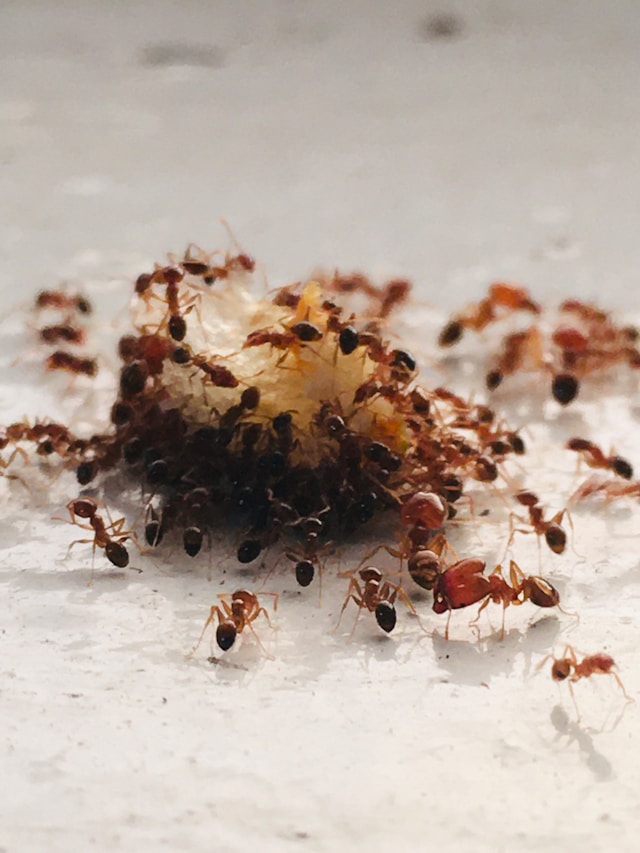
As temperatures rise and moisture levels shift, ant activity becomes noticeably more aggressive. Spring is a critical period when colonies expand, forage intensifies, and indoor invasions become more frequent. What may seem like a minor nuisance early in the season can quickly develop into a persistent issue if not addressed properly.
A well-informed approach to ant prevention begins before infestations take hold. By understanding seasonal behavior patterns and implementing proactive measures, it becomes possible to limit access points, reduce attractants, and maintain a more controlled environment.
Why Ants Become More Active in Spring
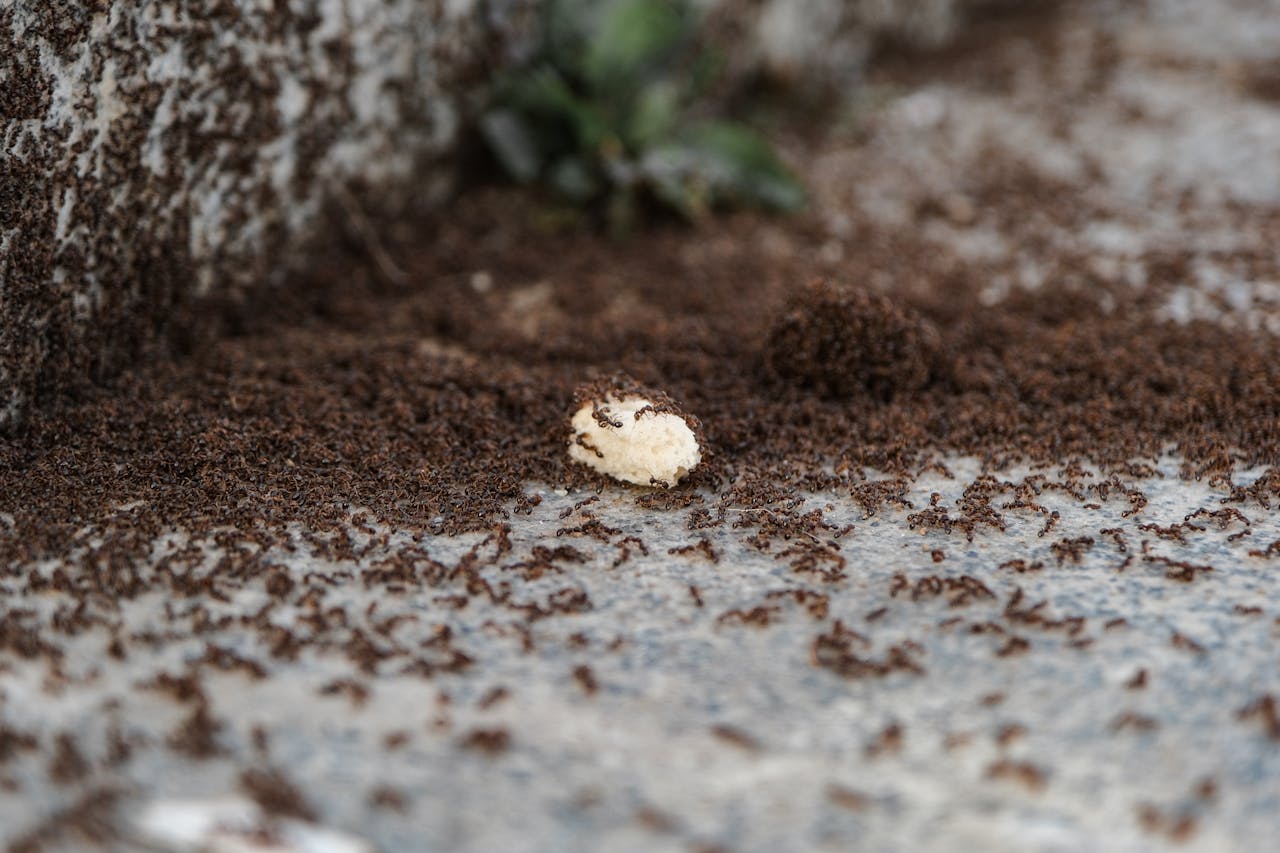
Spring signals a period of growth and movement for ant colonies. Warmer soil temperatures allow colonies to expand, while increased rainfall softens the ground, making it easier for ants to tunnel and relocate.
Several factors contribute to this seasonal surge:
- Colony expansion begins. Queens lay more eggs, increasing the population rapidly.
- Food demand rises. Worker ants intensify their search for sugars, proteins, and moisture.
- Environmental shifts occur. Rain and temperature changes drive ants indoors in search of stable conditions.
- New colonies form. Reproductive ants establish satellite nests closer to food sources.
This combination makes early spring one of the most important times to focus on ant prevention. Waiting until trails are visible often means the colony is already well established.
Key Entry Points You Should Never Ignore
Ants are highly efficient at finding the smallest openings. Even minor structural gaps can become consistent entry routes if left unaddressed.
Focus on these common access points:
- Foundation cracks. Tiny fissures in concrete or brick can allow entire colonies to enter.
- Window and door gaps. Worn seals and misaligned frames create easy pathways.
- Utility penetrations. Pipes, cables, and vents often leave small openings around entry points.
- Roofline and attic edges. Overhanging branches and vents provide elevated access routes.
Sealing these areas is not just about blocking entry. It disrupts established trails and forces ants to search elsewhere. In many cases, identifying hidden entry points requires a more detailed inspection, especially when infestations recur despite basic sealing efforts.
Reducing Indoor and Outdoor Attractants
Ants are driven by consistent food and water sources. Eliminating these attractants significantly lowers the chances of infestation.
Key practices include:
- Maintain clean surfaces. Even small crumbs or sticky residues can attract foraging ants.
- Store food securely. Use airtight containers for pantry items and pet food.
- Manage moisture levels. Fix leaks and reduce damp areas, particularly under sinks and around appliances.
- Control outdoor debris. Remove fallen leaves, wood piles, and organic buildup near the home.
- Trim vegetation. Keep shrubs and branches from touching the structure.
While these steps are essential, they often address only the symptoms. Colonies may still exist nearby, ready to reestablish trails once conditions become favorable again. For a deeper understanding of when basic efforts are no longer enough, insights from our recent article on when to call experts can help clarify next steps.
Why Surface Treatments Alone Often Fall Short
Many initial attempts at ant prevention focus on visible activity. However, treating only what can be seen rarely resolves the root issue.
Ant colonies are complex systems with multiple nesting sites. Eliminating a surface trail does not eliminate the colony itself. In some cases, improper treatments can even cause colonies to split, leading to more widespread infestations.
Consider these limitations:
- Hidden nests remain active. Colonies may be located inside walls, under slabs, or in outdoor soil.
- Satellite colonies develop. Disturbances can trigger the formation of additional nesting sites.
- Short-term results mislead. Temporary reductions in activity may give a false sense of control.
- Behavioral adaptation occurs. Ants can change foraging patterns to avoid treated areas.
Effective ant prevention requires a strategy that targets the entire colony structure. This often involves a combination of inspection, identification, and tailored treatment methods that go beyond surface-level solutions. For a deeper look at how structured approaches address recurring issues, our resource about custom pest plans explains how targeted solutions can provide more consistent results.
Building a Long-Term Prevention Strategy
Sustainable control is not achieved through one-time actions. It requires a consistent and well-coordinated approach that adapts to seasonal changes and environmental conditions.
A comprehensive prevention strategy typically includes:
- Routine inspections. Identifying early signs of activity before infestations grow.
- Targeted treatments. Applying solutions based on species behavior and nesting patterns.
- Environmental adjustments. Reducing factors that attract or support ant populations.
- Ongoing monitoring. Tracking activity levels and adjusting strategies as needed.
Spring is the ideal time to establish this foundation. Addressing conditions early helps prevent larger infestations during the warmer months when ant activity peaks.
While preventative measures can reduce risk, long-term success often depends on the ability to identify underlying colony structures and apply solutions with precision. This level of control typically requires experience, proper tools, and a clear understanding of pest behavior.
A Smarter Way to Stay Ahead of Ants
Spring infestations do not need to become a recurring problem. With the right approach, it is possible to stay ahead of ants activity and maintain a more controlled environment throughout the season.For those seeking a more structured and dependable solution, working with experienced professionals can provide clarity, consistency, and long-term protection. Reach out to DAPS Services to learn how tailored strategies can help prevent recurring ant issues before they escalate.