Choosing between different pest control methods can feel overwhelming, especially when each approach promises results in its own way. The reality is that no single method works perfectly in every situation. Pest behavior, property conditions, and the level of infestation all influence which approach is most effective.
From targeted applications to broader preventive strategies, pest control methods are designed to solve specific problems under specific conditions. Understanding the advantages and limitations of each option helps clarify why a tailored approach is often the most reliable path forward.
Chemical-Based Pest Control Methods
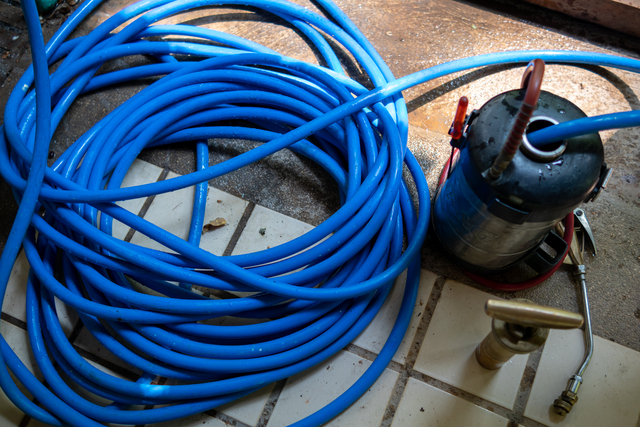
Chemical treatments are one of the most commonly used pest control methods due to their ability to act quickly and cover a wide range of pests. These treatments are often applied in controlled ways to target active infestations.
- Fast Results against active pest populations
- Broad Coverage for multiple pest types
- Residual Effect that continues working after application
- Targeted Use in specific areas of activity
Despite these benefits, chemical methods require careful handling and proper placement. Overuse or incorrect application can reduce effectiveness and create unnecessary exposure. Precision matters more than quantity, especially in indoor environments.
Another consideration is that some pests may adapt over time if treatments are not applied strategically. This is why chemical solutions are often part of a broader plan rather than a standalone fix.
Eco-Conscious and Low-Impact Approaches
Eco-conscious pest control methods focus on reducing environmental impact while still addressing pest issues effectively. These approaches often combine lower-impact materials with strategic application techniques.
- Reduced Exposure in living and high-contact areas
- Targeted Application that limits unnecessary spread
- Compatibility with integrated pest management strategies
- Flexible Use alongside other treatment types
While these methods can be effective, they may require more precise planning and follow-up. Results can depend heavily on how well the treatment is matched to the pest and the environment.
In many cases, eco-conscious approaches are not about replacing traditional treatments entirely. Instead, they are used alongside them to create a balanced strategy that prioritizes both effectiveness and environmental awareness.
Baiting and Monitoring Systems
Baiting systems are designed to work over time by targeting pest behavior rather than relying on immediate elimination. These systems are commonly used for ants, cockroaches, and certain other pests that follow predictable patterns.
- Delayed Action allows pests to carry bait back to nesting areas
- Targeted Control reduces unnecessary treatment in surrounding areas
- Monitoring Capability helps track pest activity over time
- Minimal Surface Impact compared to broad applications
The main limitation is that results are not always immediate. Baiting systems require patience and consistent monitoring to ensure they are working as intended.
For recurring pest issues, especially ants, this approach can be highly effective when customized properly. Understanding how targeted strategies work is key, which is explored in these ant control strategies.
Preventive and Perimeter-Based Methods
Preventive pest control methods focus on stopping pests before they become a problem. These approaches often involve treating the exterior of a property and addressing entry points.
- Barrier Protection around the structure to block entry
- Seasonal Adjustments based on pest activity patterns
- Reduced Indoor Treatment needs over time
- Early Detection of developing pest issues
Preventive methods are particularly useful in areas where pest activity changes with the seasons. By maintaining a protective barrier, these treatments reduce the likelihood of infestations taking hold inside the property.
However, prevention requires consistency. A single application may not provide long-term protection if conditions change or new entry points develop.
The effectiveness of these approaches often becomes more apparent when applied at the right time of year. These spring perimeter treatments show how timing plays a role in maintaining control.
Why Combining Methods Often Works Best
Each method has its strengths, but no single approach can address every aspect of a pest problem. The most effective pest control methods are often those that combine multiple strategies into a cohesive plan.
Chemical treatments may provide quick relief, while baiting systems address deeper nesting issues. Preventive measures reduce future risk, and eco-conscious options support safer application in sensitive areas.
This layered approach allows for:
- Immediate Control of active infestations
- Long-Term Prevention through ongoing monitoring
- Adaptability as pest conditions change
- More Efficient Use of treatments and resources
Relying on one method alone can leave gaps in coverage. By combining approaches, pest control becomes more consistent and less reactive over time.
This is where professional planning plays an important role. Matching the right method to the right situation requires an understanding of pest behavior, property conditions, and environmental factors.
When the right method matters most
Choosing between different pest control methods is not just about preference. It is about selecting the approach that aligns with the specific problem and the conditions surrounding it.For property owners seeking a more reliable and well-structured solution, professional guidance can help ensure that each method is used effectively. Contact DAPS Services to explore options tailored to your needs.