
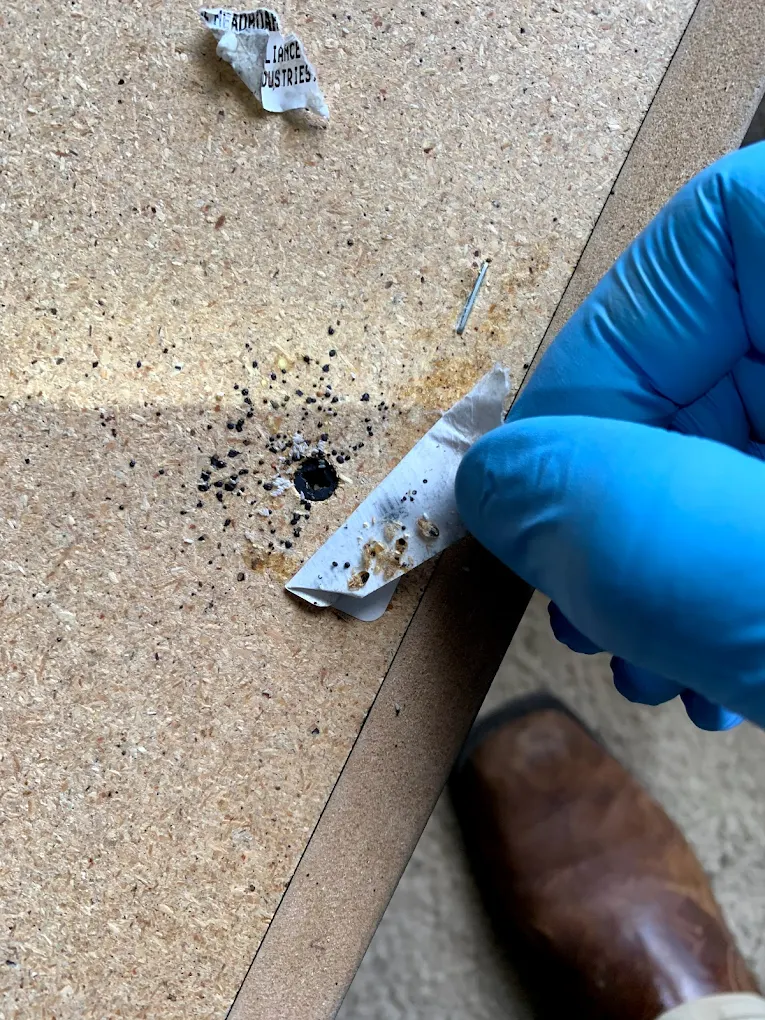
Spring changes everything in the pest world. Rising temperatures, longer daylight hours, and increased moisture signal insects and rodents to become active again. What stayed hidden through winter now begins searching for food, nesting sites, and access indoors. This seasonal shift makes perimeter pest control one of the most strategic components of spring pest control programs.
Rather than reacting to visible infestations inside the home, perimeter pest control focuses on prevention. By treating exterior zones and entry points, we reduce the likelihood of pests crossing the threshold in the first place. When executed with precision and seasonal awareness, this approach can significantly limit pest activity throughout spring and beyond.
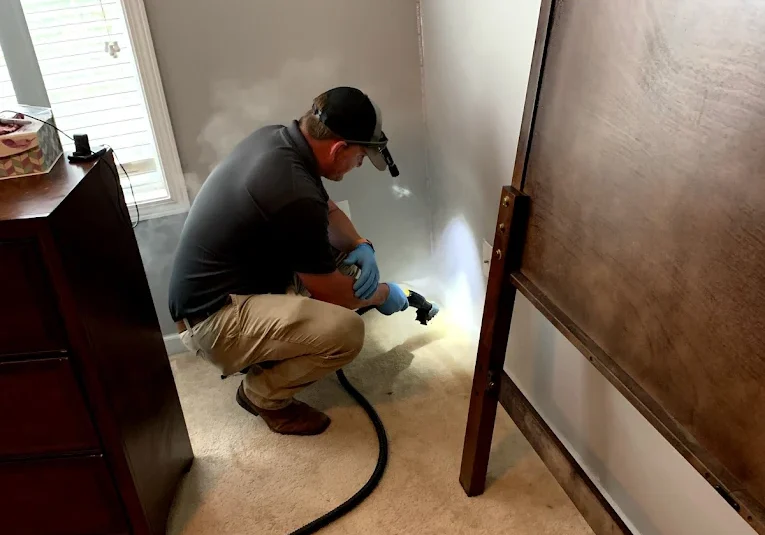
What Perimeter Pest Control Actually Involves
Perimeter pest control is not a random exterior spray. It is a structured method designed to intercept pests before they establish themselves indoors. The effectiveness of this approach in spring depends on how well treatments align with pest biology and environmental conditions.
A professional perimeter strategy typically includes:
- inspection of foundation lines, siding gaps, and entry points
- targeted application around structural perimeters
- evaluation of landscaping and moisture zones near the building
- removal or management of conducive conditions such as debris or dense vegetation
Spring pest control is most successful when exterior vulnerabilities are identified early. Cracks in foundations, expansion joints, door thresholds, and utility penetrations often become highways for ants, spiders, and other insects emerging from overwintering sites.
Because spring soil conditions are often damp, pest movement tends to increase along foundation edges. Addressing these zones early reduces interior migration later in the season.
Why Spring Timing Makes Perimeter Treatments More Effective
Spring is not just another treatment window. It is a transition period in pest life cycles. Many species overwinter as eggs or adults in sheltered areas. Once temperatures stabilize, they begin reproducing and expanding their territory.
Key spring behaviors that influence effectiveness include:
- ants establishing new foraging trails
- spiders increasing web construction near entry points
- rodents exploring extended ranges after winter
- moisture-loving insects thriving in damp soil
Spring pest control that targets these early movements can interrupt colony establishment. When perimeter treatments are applied before populations surge, pest pressure inside the structure often remains lower throughout the season.
Moisture plays a particularly important role. Post-winter dampness around foundations creates ideal breeding and foraging conditions. As discussed in our article on post-winter moisture issues, excess moisture near structures significantly increases pest activity. Addressing both moisture management and perimeter treatment strengthens overall control.
Pests Most Affected by Spring Perimeter Programs
Perimeter pest control in spring is especially effective against common exterior-to-interior invaders. While it is not a universal solution for every pest type, it significantly reduces activity for several key species.
Common targets include:
- ants searching for food sources
- spiders following insect populations
- earwigs and crickets seeking warmth
- roaches migrating from exterior harborage
- rodents investigating structural gaps
Ants are particularly responsive to perimeter strategies. Early interception of scout ants reduces the chance of established interior colonies. Similarly, reducing insect presence along foundations limits food sources for spiders.
Rodent activity also increases in spring as breeding begins. While perimeter treatments alone are not rodent exclusion, they are part of a broader defensive approach that includes structural sealing and habitat modification.
When perimeter control is applied inconsistently or without proper inspection, gaps in coverage allow pests to bypass treated areas. This is one reason many surface-level attempts fail. Our article on why DIY often fails explains how incomplete applications leave properties vulnerable despite visible effort.
Factors That Influence Overall Effectiveness
While perimeter pest control is highly valuable in spring, its performance depends on several environmental and structural variables.
Important influencing factors include:
- soil composition and drainage patterns
- rainfall intensity and irrigation frequency
- density of vegetation touching the structure
- presence of mulch or wood piles near foundations
Heavy rainfall can reduce residual performance if applications are not adjusted properly. Irrigation systems positioned too close to foundations can also sustain pest-friendly moisture levels. A thoughtful spring pest control plan accounts for these variables rather than relying on static treatments.
Landscape design matters as well. Shrubs pressed tightly against siding, ivy climbing walls, or stacked firewood along the home create direct access points. Effective perimeter strategies often include recommendations for minor environmental adjustments that enhance long-term results.
Another important limitation is structural integrity. No chemical barrier replaces proper sealing of cracks, vents, and gaps. Perimeter pest control is strongest when paired with exclusion work that physically reduces entry opportunities.
The Role of Ongoing Monitoring in Spring Pest Control
Spring is dynamic. Pest pressure evolves quickly as temperatures fluctuate. What works in early March may require reinforcement by late April if rainfall increases or pest activity intensifies.
An effective spring pest control program incorporates:
- scheduled inspections
- adjustments to treatment zones as needed
- evaluation of new pest activity
- reinforcement of high-risk areas
This adaptive approach is what separates temporary relief from sustained control. Perimeter treatments are not one-time solutions but part of a seasonal strategy designed to stay ahead of pest cycles.
Professional monitoring also helps identify early warning signs before infestations become visible indoors. Small exterior trends, when caught early, are far easier to manage than established interior colonies.
Prepare Your Property for Spring Protection
If you want perimeter pest control planned and executed with seasonal precision, contact DAPS Services to discuss a spring pest control strategy tailored to your property’s specific risks.