
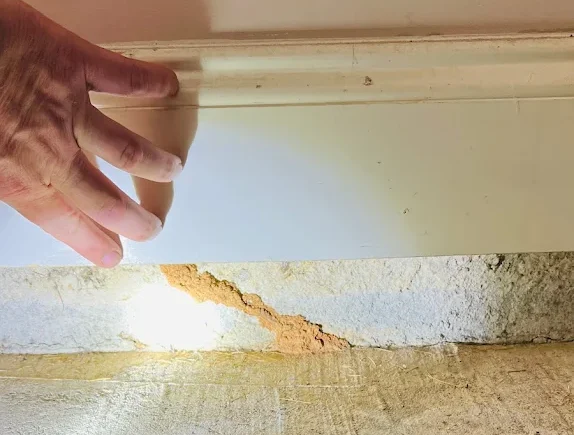
When termite damage shows up, the visible clues are often the smallest part of the problem. Wood can look intact on the surface while internal galleries weaken framing, trim, subfloors, or supports. The safest and most efficient repair process follows a clear sequence: confirm the scope, stop active activity, restore structural integrity, correct conditions that invited termites, then put monitoring in place so the same damage does not return.
From an expert standpoint, the goal is not just to patch what looks bad. The goal is to restore strength, stability, and confidence in the affected area while closing the door on future termite pressure.
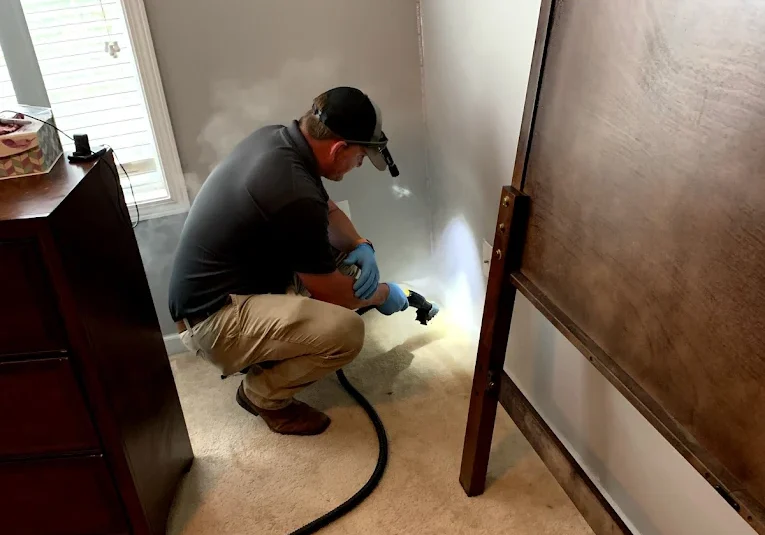
1) Confirm the full scope with an inspection and documented assessment
Before any repair begins, a complete evaluation determines what is damaged, what is at risk, and whether termites are still active. Termite damage can travel along hidden pathways, including wall voids, sill plates, rim joists, and areas around plumbing penetrations. A detailed assessment prevents incomplete repairs that leave weakened wood behind.
A professional assessment typically includes:
- Targeted probing and sounding of wood to locate hollow sections and soft points
- Identification of termite evidence such as mud tubes, frass, and damaged cellulose
- Clear distinction between cosmetic and structural damage
- Moisture source evaluation since damp conditions increase termite risk
- Documented findings to guide treatment and repair planning
For a deeper understanding of how technicians uncover hidden issues before restoration begins, you can review this explanation of the inspection process.
2) Eliminate active termites before rebuilding anything
Repairing termite damage without eliminating the infestation first can result in continued deterioration. Treatment must always precede reconstruction.
During this phase, professionals typically:
- Identify termite species and nesting patterns
- Apply targeted treatment methods suited to the structure
- Establish perimeter protection or bait systems
- Schedule follow-up evaluations to confirm elimination
- Address moisture and environmental factors contributing to activity
Choosing the correct level of protection is critical. Property owners reviewing coverage options may find it helpful to consider guidance similar to selecting the right service package.
Only after confirming termite activity has ceased should structural repairs begin.
3) Remove compromised materials and rebuild for strength
Once treatment is complete, the focus shifts to structural restoration. The extent of termite damage determines whether components require reinforcement or full replacement.
The repair phase commonly includes:
- Selective removal of weakened framing to eliminate compromised sections
- Replacement of structural members such as studs, joists, or sheathing when integrity is reduced
- Reinforcement techniques where appropriate
- Restoration of drywall, trim, and finishes after structural work is completed
- Preventative treatments on new wood when recommended
This stage prioritizes safety and structural integrity over cosmetic appearance.
4) Correct moisture and structural conditions that contributed to termite damage
Termites do not appear randomly. In most cases, termite damage develops because environmental conditions allow colonies to access wood and remain undetected. Repairing structural components without correcting these conditions increases the likelihood of recurrence. Long-term protection depends on eliminating the factors that made the structure vulnerable in the first place.
Corrective measures often include:
- Improving drainage around foundations
Poor grading or clogged gutters can direct water toward the structure. Consistent moisture near the foundation softens wood and creates favorable conditions for subterranean termite activity. - Eliminating wood-to-soil contact
Deck posts, siding, lattice panels, and fencing that touch soil provide direct pathways for termites to enter structural wood without visible mud tubes. - Enhancing crawl space ventilation
Enclosed crawl spaces with limited airflow can trap humidity. Over time, elevated moisture levels weaken wood and increase infestation risk. - Sealing structural gaps and cracks
Small foundation openings, expansion joints, and utility penetrations offer hidden access points that termites exploit. - Removing stored wood or debris near the property
Firewood stacks, untreated lumber, and construction debris can harbor termites and increase pressure on the main structure.
Addressing these vulnerabilities during the repair process transforms restoration from a short-term fix into a long-term structural safeguard.
5) Implement long-term monitoring and prevention
The final stage of repairing termite damage focuses on prevention. Even after structural repairs and corrective improvements are complete, properties remain at risk without consistent monitoring. Termites are persistent and often return to favorable environments unless deterrent systems are maintained.
Long-term protection strategies may involve:
- Scheduled termite inspections
Routine professional evaluations allow early detection of activity before structural damage progresses. Annual or semiannual inspections are often recommended depending on regional risk. - Monitoring systems installed around the property perimeter
Baiting and monitoring stations provide ongoing detection capabilities. These systems act as an early warning layer and can intercept activity before it reaches the structure. - Maintenance of protective treatments when applicable
Certain treatment methods require periodic reinforcement. Maintaining barrier integrity is critical for sustained effectiveness.
Proactive monitoring ensures that the investment made in repairing termite damage remains protected for years to come.
Safeguard Your Property With Expert Support
Repairing termite damage requires methodical inspection, targeted treatment, structural restoration, environmental correction, and ongoing prevention. Skipping any stage increases the risk of hidden deterioration.If you suspect termite damage or want a professional evaluation of your property, contact DAPS Services to discuss inspection, treatment, and restoration solutions tailored to your home.