
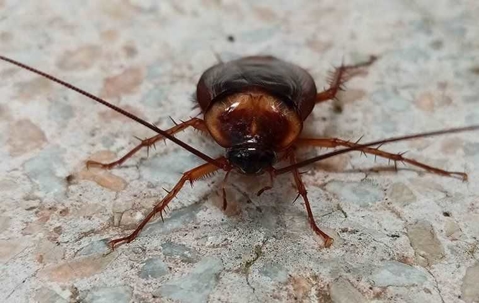
Winter does not shut down cockroach activity. It often concentrates it. When outdoor temperatures drop, cockroaches shift into survival mode and search for stable indoor conditions where warmth, moisture, and food remain dependable. Homes provide all three, plus countless hidden spaces that keep pests out of sight. That combination is why winter sightings can feel sudden, even when the conditions supporting an infestation have been building for weeks or months.
From a professional perspective, winter cockroach issues are rarely random. Indoor activity usually traces back to a pattern: sheltered nesting areas close to heat, reliable moisture sources that never fully dry out, and food access that stays steady all season. Effective cockroach control starts by understanding those attraction drivers and how they connect to the structure. When we identify what is sustaining activity, we can explain why infestations linger and why long-term results typically require professional oversight rather than quick, surface-level responses.
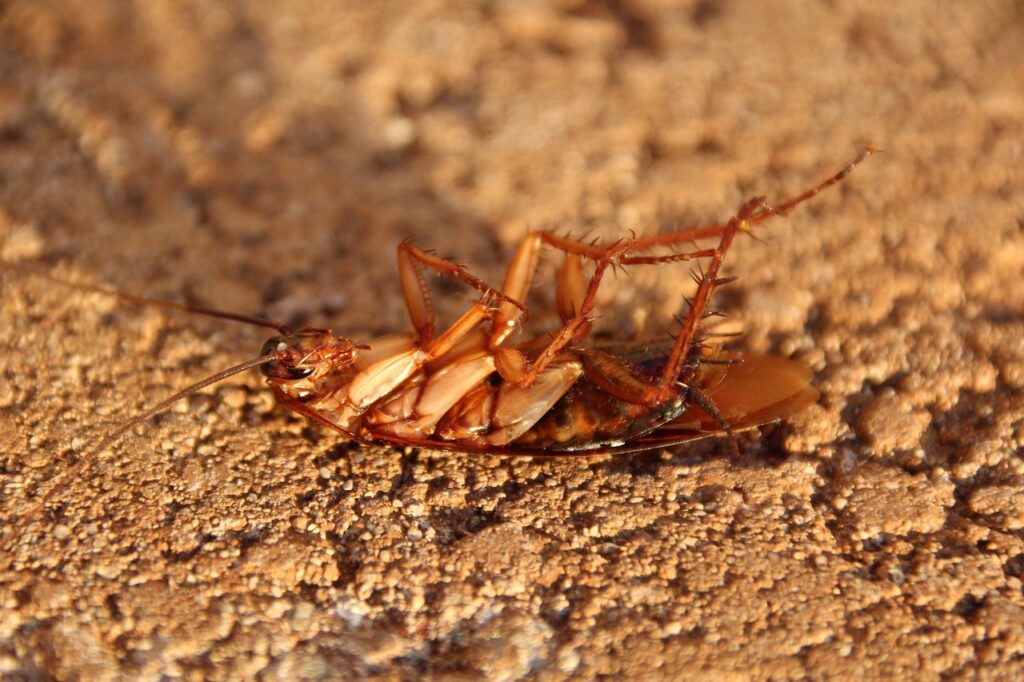
Warm indoor zones act like winter shelters.
Once the weather turns cold, cockroaches spend more time where temperatures stay consistent. Heating systems create warm pockets throughout a home, and many of the best hiding spots sit directly beside those heat sources. The more stable the temperature, the easier it is for cockroaches to survive and reproduce without needing to travel far.
Common warm harborages include:
- Wall voids near furnaces, boilers, and HVAC chases
- Gaps behind baseboards, trim, and built-in cabinetry
- Kitchen cabinets around ovens, dishwashers, and refrigerators
- Utility rooms with water heaters, dryers, and warm plumbing runs
- Basements and crawl spaces are insulated from outdoor air movement
These locations matter because cockroaches prefer to stay hidden. When a harborage sits near warmth and food, activity becomes concentrated and consistent. That is also why winter infestations can be difficult to spot early. Pests may remain behind walls, under appliances, or inside structural voids, emerging briefly at night to feed and then retreating to protected areas.
In many homes, winter also brings tighter windows and sealed doors, which can reduce ventilation and increase humidity in certain areas. That subtle shift can make warm harborages even more attractive, especially in kitchens, laundry rooms, and bathrooms.
Moisture is the quiet driver behind many winter infestations
Cockroaches need water more urgently than many homeowners realize. Cold weather often reduces outdoor moisture availability, but indoor moisture tends to remain constant. Even small, persistent water sources can support an infestation, particularly when combined with warmth and shelter.
Indoor moisture sources that commonly attract cockroaches include:
- Slow leaks under sinks, toilets, or behind washing machines
- Condensation on pipes, especially near exterior walls or in basements
- Damp cabinet bases and warped flooring around plumbing penetrations
- Drip pans under refrigerators, water heaters, and HVAC equipment
- Humidity from showers, cooking, and frequent laundry cycles
Moisture can be hard to detect because it often hides in the same places cockroaches hide. That overlap allows pests to stay close to water without needing to travel through open areas. In winter, this is especially important because cockroaches can remain clustered in protected zones, conserving energy and reducing exposure.
Professional cockroach control considers moisture patterns as a primary risk factor, not an afterthought. If we find recurring dampness, condensation, or minor leaks, we treat them as part of the infestation story. Without correcting or managing those conditions, cockroach pressure typically returns because the environment continues to support survival.
Food access stays steady in winter and supports population growth
Food availability inside a home does not shrink when temperatures fall. In many households, it increases due to more time spent indoors, more frequent cooking, and greater use of pantries and storage spaces. Cockroaches are opportunistic, and they thrive on small amounts of residue that people may not notice.
Common indoor food sources include:
- Crumbs and food dust inside drawers, cabinet corners, and under toekicks
- Grease buildup behind stoves, beneath ovens, and under refrigerators
- Pet food bowls left out overnight, and loosely sealed pet food storage
- Trash and recycling areas where residue accumulates at the bottom of bins
- Cardboard and paper products that hold organic debris and moisture
Cockroaches can feed on tiny traces of food, which is why an infestation can persist even in homes that appear clean. Winter also encourages cockroaches to stay closer to kitchens and pantry areas where food is reliable. Because activity often happens at night, it can continue for a long time before daytime sightings become frequent.
When infestations persist, it is often because the environment keeps meeting the basic needs for survival. Effective cockroach control accounts for how pests access food, where they feed, and how close those feeding routes are to harborage zones. When those patterns are understood, targeted strategies become far more effective than a general approach.
Entry points and shared pathways pull cockroaches indoors
Cold weather increases the pressure for cockroaches to move indoors, and many homes provide easy access through small structural vulnerabilities. Cracks, gaps, and penetrations can act like winter doorways, especially when warm air leaks outward and creates a temperature gradient that pests follow.
Typical entry routes include:
- Foundation cracks and gaps where siding meets masonry
- Utility penetrations around pipes, cables, and HVAC lines
- Door sweeps and thresholds with worn or uneven sealing
- Window frames with gaps, damaged caulking, or settling shifts
- Floor drains and plumbing connections linked to wall voids
- Shared walls and utility chases in attached housing
In multifamily settings, movement is often amplified by shared infrastructure. Cockroaches can travel through wall voids, plumbing lines, and common pathways, making an issue in one area spread into adjacent spaces. That is why property-wide coordination matters, and why prevention techniques used in larger facilities often translate well to complex residential buildings.
For a deeper look at how structured prevention works in larger environments, the resource on commercial prevention strategies explains why entry points, shared pathways, and consistent monitoring are central to limiting spread.
Why winter cockroach control works best with professional oversight
Winter infestations can look deceptively small at first. A few sightings may suggest limited activity, but cockroaches are experts at staying hidden. By the time a pest is visible, the harborage may already be established near warmth and moisture, with feeding routes that keep the population stable. This is where professional oversight makes the difference.
Professional cockroach control focuses on:
- Locating harborages inside structural voids and protected appliance zones
- Identifying moisture sources that keep pests active through winter
- Mapping movement routes that connect nesting sites to food and water
- Using strategies aligned with cockroach behavior and lifecycle timing
- Reducing recurrence risk by addressing the conditions that sustain activity
This approach is subtle but important. It shifts the goal from short-term reduction to long-term control. Instead of chasing visible activity, we target the system that supports it. In winter, this matters even more because cockroaches are concentrated in warmer zones and can rebound quickly if conditions remain favorable.
A well-designed winter plan also accounts for the unique pressures of the season, including indoor humidity shifts and the way pests cluster around heat sources. If you want to understand why tailored planning matters during colder months, the guide on custom winter plans outlines how a seasonal prevention framework helps reduce repeat issues and strengthens long-term protection.
A winter-ready next step
If cockroaches show up during winter, it often points to hidden conditions that deserve a professional evaluation. Contact DAPS Services for thorough cockroach control designed to address winter attraction factors and reduce the risk of recurrence.