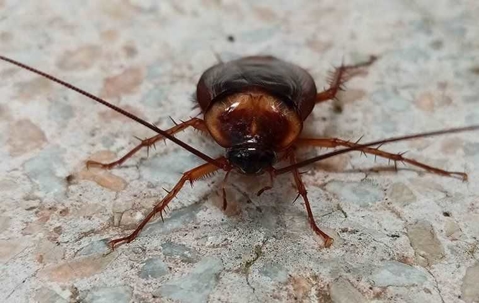
Cockroaches are among the most unwelcome guests in any commercial kitchen. In restaurants, their presence isn’t just unsettling, it’s a serious violation of health codes and can quickly damage a business’s reputation. Because cockroaches thrive in warm, humid environments with easy access to food and moisture, restaurant kitchens offer the ideal setting for infestation if proactive measures are not in place.
Health inspectors across the country flag cockroach activity as a major red flag. Even one sighting can result in point deductions, fines, or temporary closures. This underscores the importance of consistent and thorough cockroach control practices to keep restaurants operating within health guidelines.
From proper sanitation to structural monitoring, understanding where cockroaches hide and how to keep them out is essential. This article explores practical cockroach control methods for restaurants and emphasizes why professional help is often necessary to maintain a pest-free environment, especially in high-risk settings like food service.
Why Cockroach Infestations Are a Serious Risk
Cockroaches are more than just an unpleasant sight. They are vectors for a wide range of bacteria and pathogens, including Salmonella, E. coli, and various forms of gastroenteritis. These pests move from sewers and drains into food prep areas, carrying contaminants across surfaces, utensils, and open food.
In restaurants, the health and safety risks posed by cockroaches include:
- Contaminated food storage and prep areas
- Rapid reproduction and hard-to-reach nesting zones
- Allergen spread, especially through droppings and shed skins
- Damage to electrical equipment and wiring
Moreover, cockroaches are mostly nocturnal, which means a few visible during business hours may signal a much larger infestation behind the scenes. Their ability to hide in wall voids, drains, under equipment, and inside cabinetry makes early detection difficult without regular inspection.
Common Sources and Entry Points
Understanding how cockroaches enter and what attracts them is essential to implementing lasting control. Restaurant kitchens and back rooms are full of resources these pests seek: heat, grease, water, and darkness.
Primary cockroach attractants include:
- Grease build-up behind ovens and fryers
- Crumbs and spills on floors, counters, and storage racks
- Unsealed trash bins and floor drains
- Leaky pipes or condensation under sinks
- Cardboard boxes, which provide shelter and egg-laying surfaces
Entry points often go unnoticed during busy operations. Cracks in walls, gaps around plumbing, poorly sealed doors, and delivery shipments all serve as potential openings. It’s also important to recognize how humidity and moisture impact pest infestations, making internal moisture control vital for prevention.
Key Prevention Practices for Restaurant Owners
Restaurants need a multi-layered prevention plan to avoid costly surprises during inspections. While daily cleaning is a good start, targeted maintenance routines and environmental adjustments are just as important.
Best practices for preventing cockroach activity include:
- Conducting nightly deep cleans, focusing on grease-prone areas
- Keeping floors dry and food containers sealed at all times
- Emptying trash bins and rinsing recyclables before disposal
- Fixing water leaks and installing drain screens
- Storing food off the floor and in pest-proof containers
These habits should be supported by structural assessments and regular walkthroughs to detect vulnerabilities before they become points of entry. For more guidance, restaurant managers may also benefit from expert tips for preventing pest infestations that can be adapted to commercial environments.
How Professional Services Support Long-Term Success
Despite best efforts, many restaurant environments are too complex or fast-paced to manage cockroach control entirely in-house. Professional pest control services are trained to work around food safety regulations and provide consistent monitoring that identifies early signs of trouble.
Benefits of partnering with pest professionals:
- Regular inspections using industry-specific protocols
- Non-disruptive treatment applications during off-hours
- Use of safe, approved materials for food-handling areas
- Ongoing monitoring of traps and data to assess population trends
- Immediate response to sudden sightings or reports
Experts can also offer customized service plans that align with local health regulations and inspection criteria. This collaborative approach ensures food safety while reducing the risk of repeated violations and operational downtime.
The Role of Staff in Prevention
While professionals play a major role in detection and elimination, restaurant staff are the first line of defense. Employees trained in pest awareness can help maintain sanitary standards and spot issues early.
Staff roles in cockroach control include:
- Reporting any pest sightings or signs immediately
- Ensuring food prep and service areas are wiped clean after use
- Properly labeling and rotating stock to prevent spoilage
- Closing doors and windows during non-operating hours
- Avoiding clutter in the back storage and dishwashing zones
Encouraging a culture of cleanliness and responsibility keeps everyone aligned in the mission of protecting the restaurant from pest-related disruptions.
Let Us Help Safeguard Your Kitchen
A clean, pest-free restaurant is essential not just for compliance but also for trust and customer satisfaction. If you’ve seen signs of roaches or want to establish a solid prevention program, our team is here to help. Contact DAPS Services today for expert cockroach control and tailored strategies that support your food service operation.