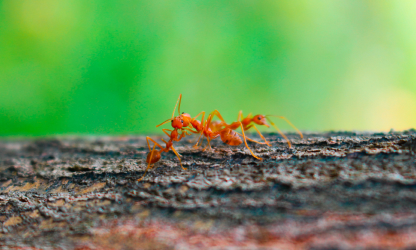
Pharaoh ants are among the most troublesome pests in sensitive environments, particularly healthcare facilities. Their tiny size, rapid reproduction, and preference for warm, humid spaces make them exceptionally difficult to control. But beyond nuisance, pharaoh ants present real health hazards when left unmanaged in hospitals, clinics, and care homes.
These pests are known to contaminate sterile environments, infiltrate medical equipment, and even access intravenous lines. Understanding their behavior and the specific dangers they pose is essential for maintaining high standards of hygiene and safety in patient-focused institutions.

HoWhy Pharaoh Ants Are a Major Concern
Unlike typical nuisance ants, pharaoh ants can compromise patient care. Their ability to nest in hard-to-reach places like behind baseboards, inside wall voids, and under flooring makes them nearly invisible until populations grow significantly.
Key concerns include:
- Contamination: Pharaoh ants forage across a wide area, including trash bins, drains, wounds, and food. They can transfer pathogens such as Salmonella, Staphylococcus, and Clostridium between surfaces.
- Sterility issues: Infestations in surgical wards, ICUs, and maternity units can breach sterile protocols, leading to infection risks.
- Infiltration of equipment: Their small size allows them to nest in sensitive medical devices, compromising functionality or posing direct danger to patients.
- Disruption to operations: Once detected, infestations may require temporary closures, sanitation efforts, and repeat treatment cycles.
Their colonies often split into multiple sub-colonies when disturbed, a phenomenon called budding, making DIY treatments not only ineffective but sometimes worse.
Subtle Signs That Warrant Attention
Detecting pharaoh ants early is critical. Because they avoid light and hide in protected areas, signs may be subtle until the colony is well established. Facilities should train maintenance and cleaning staff to watch for the following indicators:
- Ant trails emerging from light switches, outlets, or under sinks
- Small amber-colored ants near IV lines, food stations, or baseboards
- Nesting behind cabinetry, wall voids, or sterile supply shelving
- Repeat sightings of ants in temperature-controlled rooms
Misidentification is also common. These ants are often confused with odorous house ants, which require a different management strategy. Understanding the nuances of each species can prevent wasted effort and misapplied treatments. Proper guidance on recognizing similar infestations is key to protecting both patients and medical staff.
Targeted Strategies for Healthcare Facilities
Pharaoh ant control in medical environments requires a specialized, highly controlled approach. General-use sprays or over-the-counter repellents can worsen the problem, triggering colony budding and making infestations harder to contain.
Best practices for facility-specific pest control include:
- Use of bait stations: Only non-repellent baits should be used, allowing worker ants to carry toxins back to the colony.
- Discreet placement: Baits must be kept away from patient contact zones and placed strategically in sealed compartments or controlled areas.
- Strict sanitation: Cleaning routines should include storage rooms, kitchens, and break areas where crumbs and spills attract foragers.
- Moisture elimination: Fix leaks near sinks, HVAC units, and janitor closets, which act as nesting sites.
- Barrier maintenance: Keep wall seals, door sweeps, and service panels tightly sealed to prevent internal spread.
Facilities should partner with experts who understand compliance protocols and how to safely operate within sterile and high-risk environments. Establishing clear expectations starts with asking the right questions when evaluating pest control providers.
Long-Term Preventive Measures
Once pharaoh ants are removed, a sustainable prevention plan is critical. Without continued monitoring and environmental adjustments, reinfestations are common. These pests thrive in controlled temperatures, making hospitals and long-term care facilities particularly vulnerable year-round.
To ensure continued protection:
- Implement regularly scheduled inspections
- Maintain digital logs of sightings, treatments, and staff reports
- Install low-profile monitoring stations in food prep and linen storage areas
- Educate non-clinical staff on sanitation habits and prompt reporting
- Reassess pest management protocols after renovations or equipment upgrades
Because pharaoh ants can re-establish themselves in as little as a few weeks, vigilance is not optional. Consistent coordination across departments, from housekeeping to operations, is vital.
Why DIY Won’t Work Here
It may be tempting to take quick action with store-bought solutions, but pharaoh ants require professional management. Their complex nesting habits and colony-splitting behavior make them resistant to amateur methods. More importantly, the risks associated with incorrect chemical use in a healthcare setting are too high.
Certified pest control experts bring more than treatment, they also offer environmental insight, species-specific expertise, and safe techniques that won’t compromise health standards. Their ability to work discreetly while minimizing patient disruption ensures the facility remains functional and secure throughout the process.
Maintain Safety Before They Spread
Pharaoh ants pose a persistent threat to the safety and sanitation of healthcare environments. Stop infestations before they interfere with patient care by working with specialists who understand high-compliance standards. For targeted solutions and expert help, contact DAPS Services.