
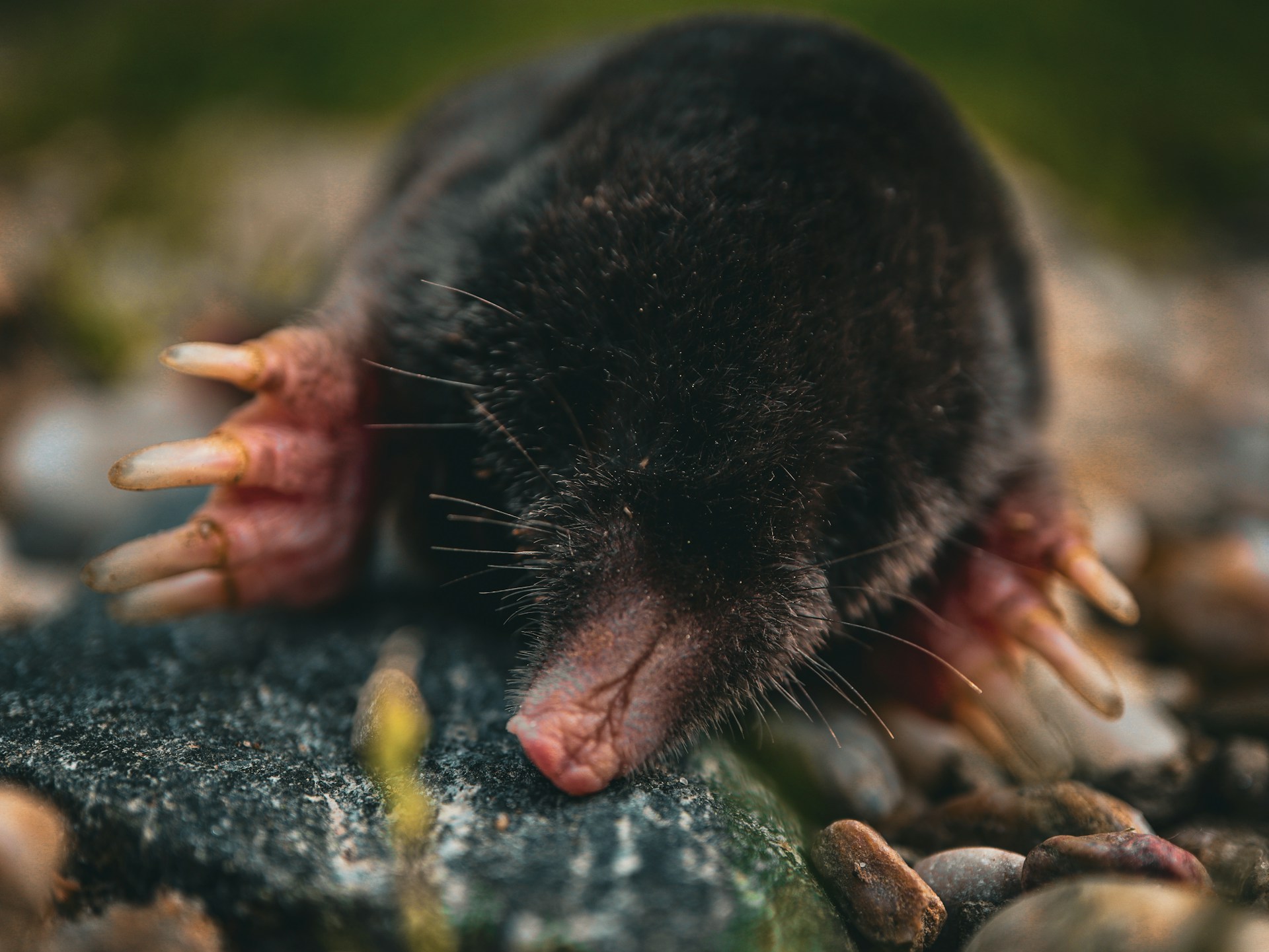
A lush, thriving garden can quickly turn into a patchwork of tunnels and mounds when moles decide to move in. These small, burrowing mammals may not feed on your plants directly, but the mole damage they cause to root systems, soil structure, and overall lawn health is unmistakable. Their underground activity can lead to wilted flowers, sunken beds, and disrupted irrigation, all of which cost time and money to repair.
Fortunately, there are ways to deter moles before their presence becomes a long-term problem. By understanding how they operate and taking preventive measures, homeowners can protect their outdoor spaces without relying on guesswork or temporary fixes.
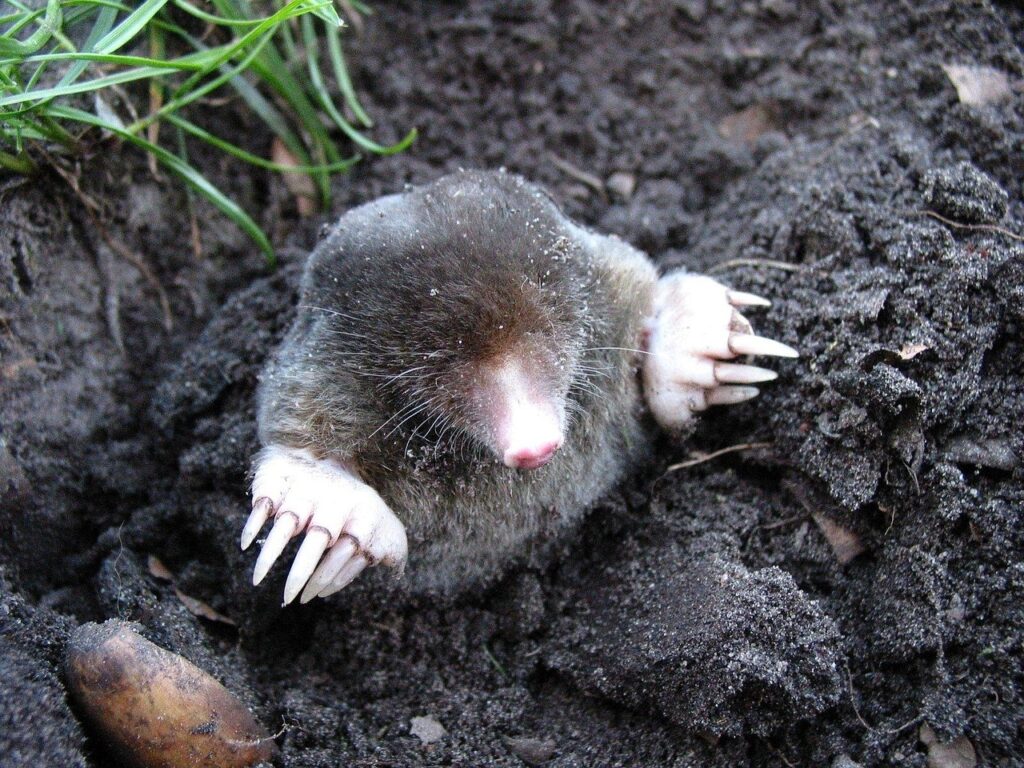
How to Recognize Signs of Mole Activity
Moles are elusive creatures that spend nearly all their time underground. Unlike pests that feed on leaves or stems, moles create damage by disturbing the soil in search of earthworms and insects. Early detection is crucial in managing their impact effectively.
Key indicators of mole activity include:
- Raised ridges or tunnels that snake through your lawn or garden beds
- Conical molehills or piles of loose soil, especially after rainfall
- Sudden decline in plant health, particularly in areas where roots may have been displaced
- Soft, uneven ground that feels spongy underfoot
- Increased pest presence as moles follow earthworm and grub populations
While some of these symptoms can be confused with other burrowing animals, the distinct shape and pattern of the tunnels are strong signs that moles are the culprits.
Why Moles Choose Your Garden
Gardens with moist, rich soil are ideal habitats for moles. These areas tend to support high populations of grubs, earthworms, and other soil-dwelling insects, which are the mole’s primary food sources. A well-watered, fertilized yard is essentially an invitation to tunnel.
Moles also prefer loose, well-aerated soil that allows them to dig with ease. Gardens with frequent irrigation, compost applications, or minimal foot traffic tend to develop these soil conditions naturally. Unfortunately, what benefits your plants can also appeal to unwanted underground guests.
If your garden offers shelter from predators, limited human disturbance, and an abundance of food, it’s likely to attract mole activity. Prevention begins with reducing these favorable conditions while still maintaining a healthy environment for your plants.
Proactive Steps to Prevent Mole Damage
Preventing mole damage involves a combination of habitat modification, food source reduction, and soil disruption. These steps can make your garden less appealing to moles while maintaining its health and appearance.
Here are expert-approved prevention techniques:
- Control lawn grubs and insects using targeted treatments to reduce the moles’ food supply
- Aerate and compact the soil strategically, making it more difficult for moles to tunnel through
- Limit excessive watering, as overly damp soil encourages worm and grub populations
- Install underground mesh barriers when planting new beds or along garden borders
- Use motion-sensitive deterrents like vibrating stakes or ultrasonic repellents to discourage digging
While these steps help discourage mole activity, results can vary depending on your soil type, climate, and the surrounding habitat. For long-term success, prevention should be tailored to your landscape’s unique conditions.
You can also explore expert tips for preventing pest infestations to better understand how garden hygiene and seasonal care play a role in deterring soil-dwelling pests.
Common Mistakes That Make Mole Problems Worse
Well-meaning homeowners often try DIY solutions that provide short-term results or, worse, lead to increased mole activity. Traps, repellents, or even household remedies can be ineffective if not used properly or placed without understanding mole behavior.
Avoid these common missteps:
- Flooding tunnels, which can damage soil and plant roots without driving moles away
- Overusing chemical repellents, which may impact beneficial insects or contaminate the soil
- Filling tunnels with soil or debris, which often prompts moles to dig new routes nearby
- Ignoring early signs, which gives moles time to build more extensive tunnel networks
Since moles are territorial and solitary, removing one may not solve the issue if conditions remain attractive. Instead of taking reactive steps, a more efficient approach is designing a prevention plan that anticipates and interrupts mole behavior patterns.
If you’re unsure about how to proceed, consider exploring how to choose a pest control plan that aligns with your property’s needs, especially if mole damage is recurring.
When to Call a Professional
Moles may not appear threatening, but their underground presence can cause significant disruptions if left unmanaged. If you notice new molehills forming weekly, find your garden paths collapsing, or suspect tunnels beneath your hardscaping, it’s time to call in professional support.
A pest control expert will assess the extent of the damage, evaluate mole traffic patterns, and determine the best mix of deterrents and control methods. They can also identify whether other burrowing animals like voles or gophers are contributing to the problem. Professionals are trained to use humane removal and exclusion techniques that won’t harm your plants or disrupt beneficial insects.
The sooner you act, the easier it is to prevent lasting damage and avoid future infestations. Waiting too long can result in costly landscape restoration and plant replacement that could have been avoided with earlier intervention.
Take Control Before the Tunnels Take Over
Mole damage may begin quietly underground, but the consequences can quickly rise to the surface. With the right knowledge and preventative strategies, you can enjoy a garden that thrives without constant disruption. But when moles start to take over, it’s time to bring in the pros who know exactly what’s going on below the surface.For expert assessment and mole prevention tailored to your garden, reach out to DAPS Services and get the peace of mind that your yard is protected from the ground up.