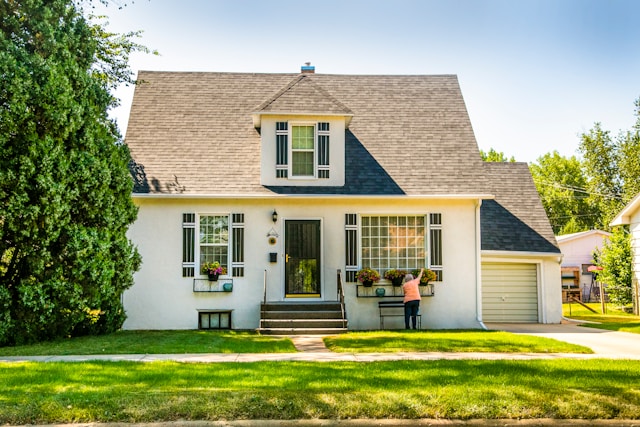
Spring in Georgia brings warmer temperatures, blooming landscapes, and longer days outdoors. Unfortunately, it also creates ideal conditions for increased pest activity. Ants begin searching for food sources, mosquitoes become more active around standing water, and termites often expand their colonies during the warmer season.
Many infestations begin quietly during spring before becoming larger concerns in summer. Small gaps around doors, excess moisture near foundations, and overgrown landscaping may all create favorable conditions for pests looking for shelter and access indoors.
That is why spring pest control plays an important role in long-term home protection. Early inspections, preventive maintenance, and targeted treatment strategies can help reduce the likelihood of larger infestations developing later in the year.
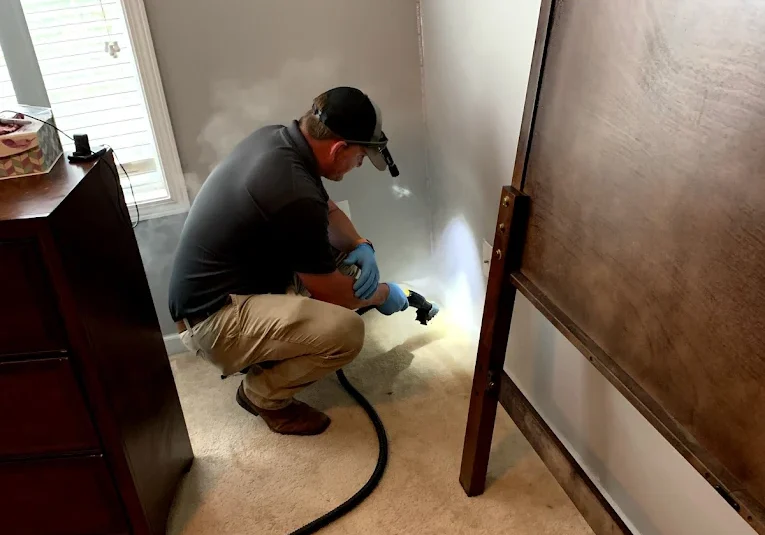
Why Spring Creates Higher Pest Activity
Spring weather creates the moisture, warmth, and environmental conditions many pests need to thrive. Increased rainfall and rising temperatures often encourage insects and rodents to become more active around residential properties.
Several seasonal factors may increase pest pressure during spring:
- Warmer temperatures encourage pest movement. Many insects become more active after the colder months
- Moisture creates favorable breeding conditions. Damp areas may attract termites, mosquitoes, and ants
- Food sources become easier to access. Outdoor activity often increases pest opportunities
- Landscaping growth provides additional shelter. Thick vegetation may hide nesting areas
- Structural gaps allow indoor access. Small openings may become entry points during spring activity
Georgia homeowners often notice increased activity around kitchens, garages, patios, crawl spaces, and outdoor entertainment areas during this season. Addressing those conditions early may help reduce larger infestations later.
Spring is also an important time for identifying hidden termite activity before structural damage becomes more severe. Swarming termites, mud tubes, and moisture-prone wood areas should never be ignored during seasonal inspections.
Areas Around The Home That Need Attention
Spring pest control often begins with identifying conditions around the property that may attract pests or support nesting activity.
Exterior inspections help reveal vulnerable areas before infestations spread indoors. Moisture accumulation, damaged screens, and untreated landscaping issues may all contribute to growing pest pressure around the home.
Several areas deserve close attention during spring:
- Foundation gaps may increase pest entry. Small cracks can allow insects and rodents indoors
- Standing water attracts mosquitoes. Poor drainage often creates breeding opportunities
- Overgrown vegetation supports nesting activity. Dense landscaping may hide pest movement
- Outdoor debris creates shelter conditions. Wood piles and clutter may attract termites and rodents
- Damaged seals allow indoor access. Worn weather-stripping may increase exposure risk
Indoor conditions matter as well. Kitchens, laundry areas, attics, and crawl spaces often contain hidden moisture or food sources that support pest activity.
Professionals typically evaluate both indoor and outdoor conditions because seasonal infestations often develop from a combination of environmental and structural factors.
Why Preventive Pest Control Matters In Spring
One of the biggest advantages of spring pest control is prevention. Waiting until infestations become severe may lead to larger treatment needs, recurring activity, or structural concerns later in the season.
Preventive service plans often focus on monitoring, targeted applications, exclusion work, and environmental adjustments that reduce favorable pest conditions before activity escalates.
Long-term prevention strategies often include:
- Seasonal inspections identify developing concerns. Early detection may limit infestation growth
- Targeted treatments improve treatment precision. Focused applications help address active areas
- Exclusion work reduces indoor access. Sealing gaps may lower recurring activity
- Monitoring supports long-term protection. Ongoing evaluations help track seasonal changes
- Environmental adjustments discourage pests. Reducing moisture and clutter may improve prevention
Many homeowners also explore service plans designed to provide year-round support instead of relying on repeated one-time treatments. Reviewing these helpful service guarantee options may help explain how long-term pest-management strategies support ongoing protection.
Spring prevention is often more effective when problems are addressed early instead of after infestations become widespread.
Eco-Conscious Approaches Continue Growing
Many Georgia homeowners now look for pest-management strategies that balance effectiveness with environmentally conscious treatment practices. Modern pest control methods increasingly focus on targeted applications and property-specific solutions instead of excessive product use.
Professional services may combine lower-exposure treatments with monitoring, exclusion techniques, and habitat reduction strategies to support long-term results.
Several eco-conscious approaches may support spring pest control efforts:
- Targeted applications reduce unnecessary exposure. Focused treatments help improve efficiency
- Habitat reduction discourages nesting activity. Environmental adjustments may reduce pest pressure
- Monitoring helps limit repeated treatments. Early detection supports faster response
- Property-specific planning improves results. Different infestations require different strategies
- Long-term prevention reduces recurring activity. Ongoing management helps maintain protection
Homeowners interested in environmentally-conscious strategies may also benefit from learning more about seasonal green treatments designed for spring pest management.
Professional evaluations remain important because treatment methods should always match the property’s specific conditions and infestation risks.
Staying Ahead Of Spring Pest Problems
Spring often sets the tone for pest activity throughout the rest of the year. Small infestations that begin during warmer months may continue expanding quietly if underlying conditions remain untreated.
That is why seasonal inspections and preventive pest control continue playing an important role for Georgia homeowners. Addressing moisture issues, structural vulnerabilities, landscaping conditions, and early pest activity can help reduce larger concerns later in the season.
Preparing For A More Comfortable Season
Professional inspections can help identify spring pest risks before infestations become more difficult to manage. Contact DAPS Services to learn more about seasonal pest-control solutions designed for long-term home protection.