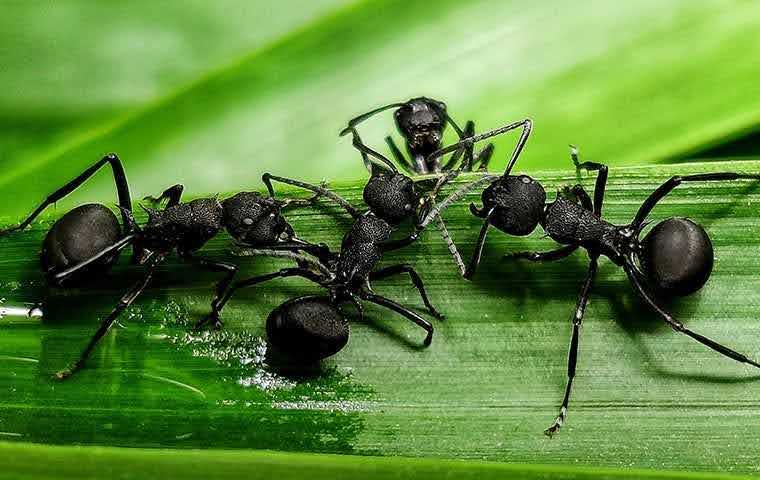
Ants are among the most common household pests, yet they are often underestimated. What begins as a few insects near a sink or baseboard may point to a larger and more established issue. Ant colonies are highly organized, adaptable, and capable of relocating quickly when conditions change. Effective ant control depends on understanding these behaviors and recognizing when surface activity reflects a deeper infestation that requires professional attention.
From kitchens and bathrooms to wall voids and outdoor perimeters, ants exploit food sources, moisture, and access points with remarkable efficiency. While occasional sightings may not always indicate urgency, repeated activity, expanding trails, or seasonal surges often signal that conditions favor colony growth. Knowing when to involve professional ant control services helps prevent minor activity from turning into persistent or damaging infestations.
Common Signs That Ant Activity Is No Longer Minor
Some ant encounters are brief and seasonal, but others indicate a more entrenched presence. Professionals look for specific patterns that distinguish isolated activity from a developing infestation.
- Consistent ant trails appearing daily along baseboards, countertops, or entry points, often leading to hidden nesting sites
- Multiple activity zones throughout the home, suggesting satellite colonies rather than a single source
- Ants emerging in moisture-prone areas such as bathrooms, laundry rooms, or near plumbing fixtures
- Winged ants indoors which may indicate reproductive activity and colony expansion
When these signs persist despite routine cleaning or basic prevention efforts, ant control becomes a matter of identifying and addressing the colony itself rather than the visible insects. Professionals assess how ants are entering, what sustains them, and where nests may be located, often beyond immediate view.
Why Ant Behavior Makes Control More Complex
Ants operate as colonies rather than individuals, which makes control challenging without a strategic approach. Killing foraging ants rarely affects the nest, and in some cases can cause colonies to split and spread.
- Multiple nesting sites, including wall voids, soil, landscaping, and structural gaps
- Chemical avoidance behaviors that allow ants to adapt quickly to ineffective treatments
- Food sharing within colonies that can spread or neutralize certain control measures
- Seasonal relocation patterns that move nests closer to structures during heat, rain, or drought
Professional ant control focuses on understanding these behaviors before applying solutions. This is why timing, placement, and product selection matter. A broader look at service planning and long term outcomes is discussed in this guide on pest control packages, which explains how structured programs outperform isolated treatments.
Structural and Environmental Factors That Increase Ant Pressure
Ant infestations are often tied to conditions that allow easy access and long term survival. Professional evaluations consider both interior and exterior factors that contribute to ongoing activity.
- Cracks and gaps around foundations, windows, and utility lines that provide entry routes
- Moisture sources including leaks, condensation, or poor drainage that attract certain ant species
- Food residue and storage issues that support sustained foraging
- Landscaping contact such as mulch, shrubs, or tree limbs touching the structure
These conditions may not seem severe individually, but together they create an environment where ants can thrive. Professional ant control addresses these contributors as part of a broader management plan, reducing the likelihood of repeated infestations.
When Ant Activity Signals the Need for Professional Control
Timing plays a critical role in effective ant control. Certain situations indicate that professional involvement is the most efficient path forward, especially when activity escalates or becomes disruptive.
- Recurring infestations that return after temporary relief
- Unidentified ant species where behavior and nesting habits are unclear
- Activity affecting sensitive areas such as kitchens, food storage, or workspaces
- Evidence of structural nesting within walls, insulation, or voids
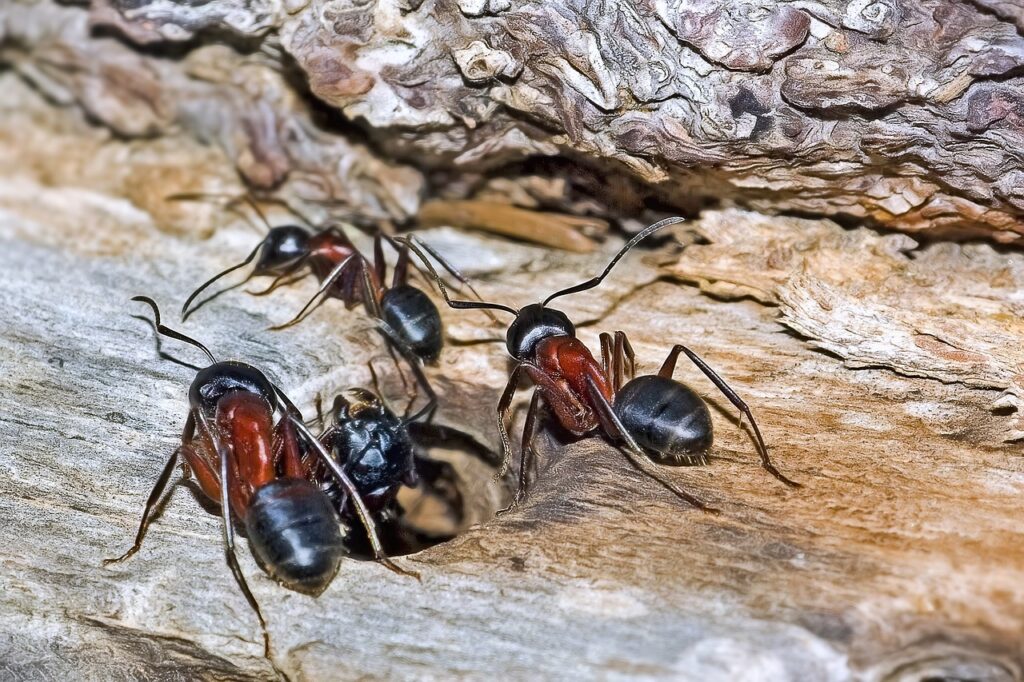
Professionals bring experience in species identification, which is essential because different ants require different control strategies. Carpenter ants, moisture ants, and pavement ants each pose unique risks and respond differently to treatments. Attempting control without this knowledge often leads to incomplete results. This challenge is explored further in this resource on DIY control limits, which outlines why uncoordinated efforts frequently fall short.
How Professional Ant Control Provides Long-Term Results
Professional ant control is designed as a managed process rather than a single response. Inspections, targeted treatments, and follow-up monitoring work together to eliminate colonies and reduce future pressure.
Professionals document activity patterns, apply treatments based on species behavior, and evaluate results over time. This approach limits unnecessary applications while improving effectiveness. By addressing nests, entry points, and environmental contributors together, professional services provide stability rather than temporary relief.
Long-term control also supports healthier indoor environments and protects structural materials from damage associated with nesting or moisture-seeking species. The goal is not only to stop current activity but to prevent conditions that allow ants to return season after season.
A Smarter Step Toward Lasting Relief
When ant activity becomes persistent or disruptive, professional insight can make the difference. Contact DAPS Services to discuss expert ant control solutions designed for effective and lasting results.