

Choosing the right pest control package is less about picking the cheapest option and more about matching services to real conditions in the home. Pest pressure varies based on structure type, neighborhood environment, moisture levels, and seasonal shifts. Two houses on the same street can face very different risks depending on landscaping, drainage, attic ventilation, or how well entry points are sealed. A package that looks adequate on paper may fall short if it does not align with the true drivers of pest activity.
From an expert perspective, a pest control package should be built for consistency. The strongest programs focus on inspection, targeted treatment when needed, and prevention that reduces repeat issues. When these elements work together, pest activity becomes more predictable and far easier to manage over time. The guidance below explains what to evaluate so you can choose a plan that protects the home without relying on guesswork.
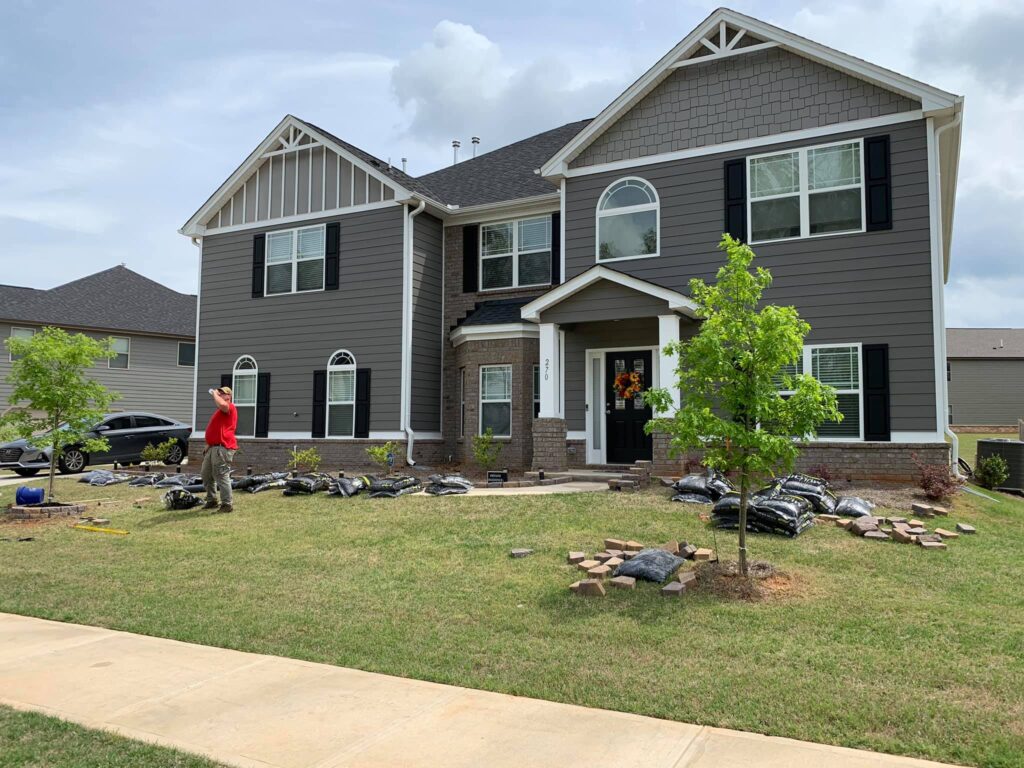
Identify your home’s risk factors before comparing plans
Before comparing service tiers, it helps to understand what increases pest risk in and around the home. A well-matched pest control package begins with identifying the conditions that allow pests to enter, hide, and remain active.
Key risk factors include:
- The age of the home and how well doors, windows, and exterior gaps are sealed
- Landscaping that touches the structure or traps moisture near the foundation
- Drainage issues, standing water, or persistent dampness in crawl spaces
- Attic and basement ventilation patterns that affect humidity and air movement
- Past pest history, including recurring sightings in kitchens, bathrooms, or garages
Homes with ongoing moisture concerns, frequent seasonal sightings, or older construction often benefit from more comprehensive service. Even newer homes can face pressure if the surrounding environment supports activity. When risk factors are clear, it becomes easier to compare packages based on coverage and follow-up structure instead of focusing only on price.
Use seasonal pest behavior to guide timing and coverage
Seasonal shifts influence how pests behave and where activity is most likely to appear. In cooler weather, many pests move closer to structures seeking warmth and shelter. That migration can increase indoor pressure and make consistent monitoring more important.
A helpful way to understand what seasonal movement looks like is the guide on fall pests moving indoors. It explains why cooler temperatures change pest patterns and why preventative service timing matters. When you select a pest control package, look for a plan that accounts for seasonal transitions, not one that treats the home the same way month after month, regardless of changing conditions.
Professionals typically evaluate both current pest activity and expected seasonal pressure. This forward-looking approach is a major reason ongoing plans outperform one-time services. A package that adapts to the time of year often prevents infestations from developing in the first place.
Compare what each pest control package actually includes
Packages are often described using simple labels, but real value comes from what is included in the service process. Two plans with the same visit frequency can differ significantly in inspection depth, treatment scope, and follow-through.
When comparing a pest control package, check for:
- How thorough the initial inspection is, and whether it identifies entry points
- Whether the service includes both interior attention and exterior barrier work
- How the plan addresses moisture issues, harborage zones, and conducive conditions
- What triggers additional visits or adjustments if activity appears between services
- How technicians document findings and communicate recommendations
A strong plan is not built around routine spraying. Instead, it is built around targeted strategies guided by inspection results. Packages that include condition based adjustments generally deliver better long term outcomes because they respond to what is happening at the property rather than relying on a fixed checklist.
Prioritize maintenance-focused plans for long-term stability
One of the clearest differences between short-term service and long-term protection is maintenance. Regular maintenance reduces the likelihood of repeat issues by interrupting pest activity early, reinforcing exterior defenses, and identifying small changes in home conditions before pests take advantage.
Maintenance matters because many pest issues start quietly. Small entry gaps, shifting weather patterns, or a new moisture source can create opportunities that were not present a few months earlier. Ongoing professional oversight helps catch these changes early, which is one reason prevention programs are often more efficient than reacting after pests are established.
For a practical explanation of why ongoing service prevents recurring issues, the article on regular ant maintenance shows how consistent monitoring and follow-up reduce the chance of repeated invasions. Even if ants are not the primary concern, the same principle applies across many household pests. A well-designed pest control package uses maintenance to keep activity from rebuilding.
Choose a plan built around professional evaluation, not guesswork
The most reliable pest control packages are guided by professional evaluation. Pest behavior changes based on temperature, moisture, access points, and food availability. A plan that stays effective over time is one that can adjust as these variables shift.
Professional oversight within a pest control package typically includes:
- Assessing entry points and structural vulnerabilities during routine service
- Interpreting signs of activity to refine strategy rather than repeating the same steps
- Adjusting treatment placement and timing based on pest behavior and season
- Reinforcing prevention recommendations to reduce attractants and repeat pressure
This level of guidance helps ensure treatments are purposeful and efficient. It also reduces the risk of recurring problems that develop when underlying conditions are not addressed. A pest control package should feel like a long-term strategy, not a rotating schedule of generic applications.
A practical next step toward consistent protection
If you want a pest control package that matches your home’s real risk factors and seasonal pressure, professional guidance makes the difference. Contact DAPS Services to discuss options designed for reliable, long-term protection.