
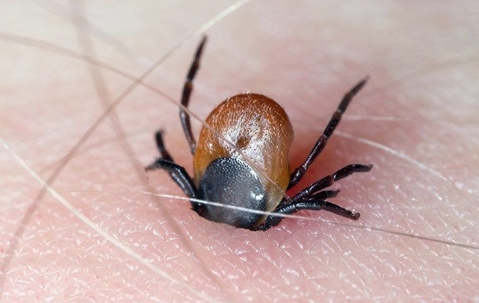
Cold weather often creates the assumption that pest problems disappear once temperatures drop. While outdoor activity may slow, fleas and ticks do not simply vanish in winter. Instead, these pests adapt by moving indoors, where consistent warmth, hosts, and protected environments allow them to survive and reproduce. Homes with pets, carpeting, and soft furnishings are especially vulnerable during colder months.
From an expert perspective, winter is a critical period for understanding flea and tick risks. Indoor infestations often develop quietly, with activity increasing long before signs become obvious. Recognizing how these pests behave in winter helps homeowners protect living spaces and avoid prolonged problems that extend into spring.
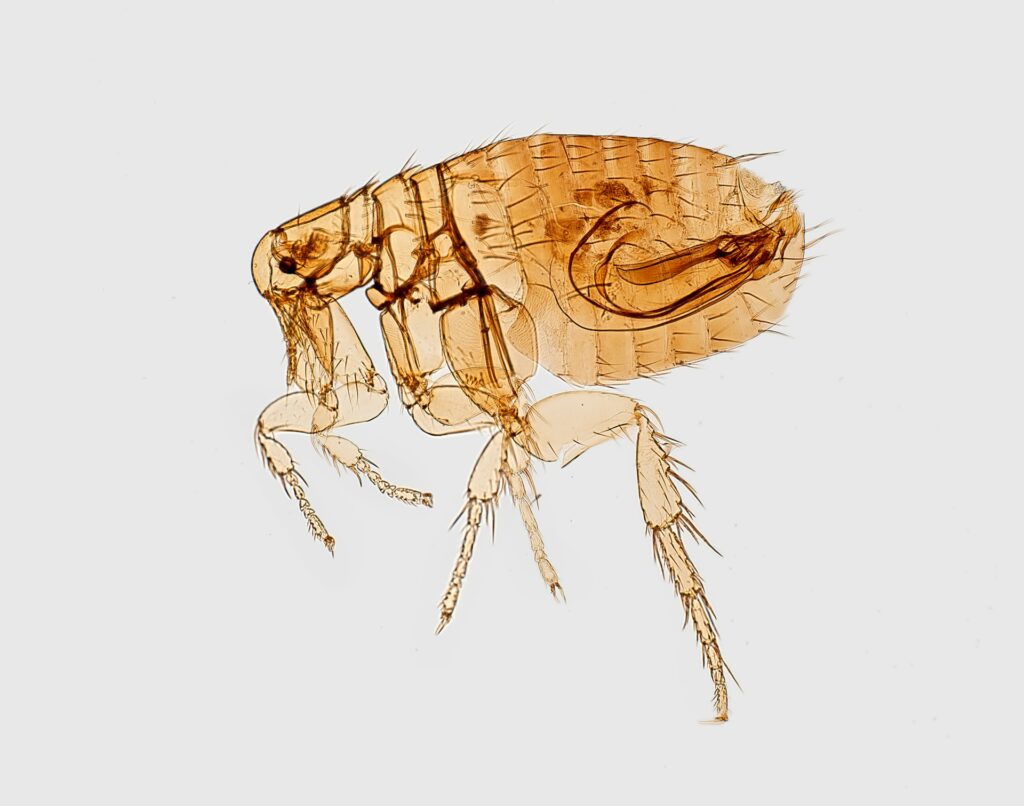
Why Fleas and Ticks Remain Active Indoors During Winter
Fleas and ticks rely on hosts and environmental conditions rather than outdoor temperatures alone. When pets and people spend more time indoors, these pests follow. Heated homes provide stable conditions that allow life cycles to continue uninterrupted.
Common winter survival factors include:
- Warm indoor temperatures that support reproduction
- Pets acting as consistent hosts
- Carpeting and upholstery offering protected shelter
- Reduced airflow compared to outdoor environments
Ticks that attach to pets during brief outdoor exposure can be carried inside and remain active. Fleas, once introduced, can establish populations in flooring and furniture. Winter does not eliminate risk. It often concentrates activity where detection is more difficult.
Indoor Health and Comfort Risks During Colder Months
Indoor flea and tick activity affects more than comfort. These pests can impact health, sanitation, and overall quality of life. Because winter infestations are often hidden, exposure may continue for extended periods before action is taken.
Risks associated with indoor activity include:
- Persistent itching or skin irritation for people and pets
- Allergic reactions triggered by flea bites or droppings
- Increased stress for pets due to constant irritation
- Contamination of living spaces where pests are active
Fleas reproduce quickly, and a small indoor population can expand rapidly if left unaddressed. Ticks may remain unnoticed until they attach, increasing concern for potential disease exposure. Professional evaluation helps determine whether activity is isolated or part of a developing infestation.
How Winter Conditions Make Detection More Difficult
Winter infestations are often harder to identify than those that occur during warmer seasons. Reduced outdoor activity and fewer visible pests can create a false sense of security. In reality, fleas and ticks may be thriving in areas that are rarely inspected.
High-risk indoor zones include:
- Carpets and rugs near pet resting areas
- Upholstered furniture and pet bedding
- Baseboards, floor seams, and cracks
- Closets or rooms with limited foot traffic
Because these pests spend much of their time off-host, activity may not be immediately visible. Eggs and larvae develop in protected spaces, allowing populations to grow quietly. Without targeted inspection, infestations can persist throughout winter and intensify once spring arrives.
Why Prevention Is More Effective Than Reaction
Addressing flea and tick issues after they become established often requires more extensive intervention. Prevention focuses on reducing conditions that allow pests to thrive indoors during winter, rather than responding after discomfort or exposure occurs.
Effective winter prevention strategies often involve:
- Evaluating indoor environments for risk factors
- Monitoring pet activity and resting areas
- Addressing entry points where pests may be introduced
- Implementing consistent, seasonally adjusted protection
A proactive approach reduces the likelihood of infestation and limits the need for corrective action later. The value of tailored winter strategies is explained further in this resource on customized winter protection, which outlines why seasonal planning matters when pest behavior changes.
How Professional Plans Provide Year-Round Protection
Flea and tick control is most effective when winter strategies are part of a broader, year-round plan. Indoor risks do not exist in isolation. They are influenced by outdoor conditions, seasonal transitions, and ongoing exposure through pets and daily activity.
Professional plans emphasize:
- Consistent monitoring across all seasons
- Adjustments based on seasonal pest behavior
- Targeted treatments that address indoor and outdoor risks
- Long-term reduction of pest pressure
Year-round planning ensures that winter activity does not lead to spring infestations. Instead of reacting to recurring problems, professional maintenance supports steady control and prevention. The advantages of this approach are discussed in this overview of year-round pest planning, which explains how continuous protection reduces long-term risk.
Fleas and ticks do not follow a strict seasonal schedule. Their ability to adapt makes winter protection just as important as summer control. Professional oversight ensures that strategies remain effective even when activity is less visible.
Staying Ahead of Wintertime Risks
Indoor flea and tick problems rarely resolve on their own during winter. Early evaluation and proactive planning protect comfort, health, and peace of mind throughout the colder months. For professional guidance and reliable winter protection, contact DAPS Services.