
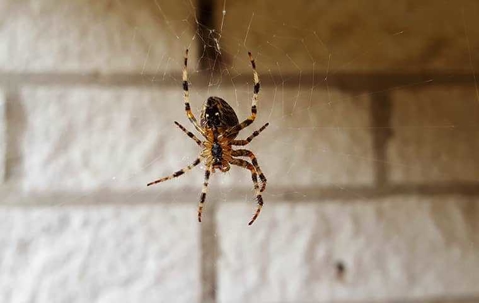
Many homeowners see a single spider and assume it is an isolated incident. Yet for trained professionals, the presence of spiders often signals deeper issues: hidden cracks, moisture problems, or unaddressed insect prey. Understanding the early signs of spider infestations and coordinating a structured spider control approach is the key to keeping indoor environments safe and well-maintained.
Spiders are predators that enter homes seeking food, shelter, or stable temperatures. A small colony can expand quietly within walls, attics, or basements. A professional perspective emphasises inspection, exclusion, and correction of conditions rather than just eliminating visible spiders. This method ensures long-term protection rather than a short-term fix.
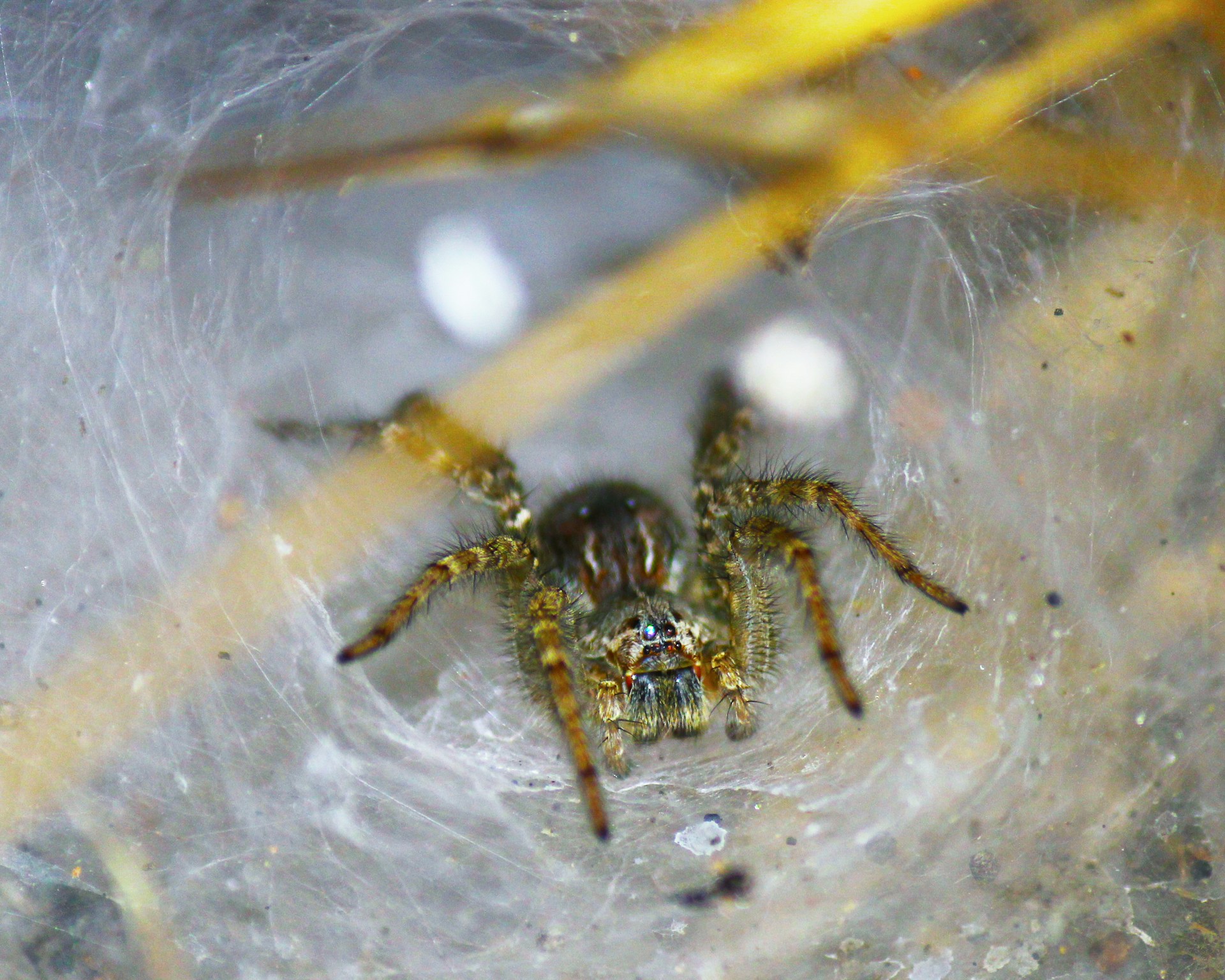
Recognising Early Warning Signs
Detecting an infestation early allows action before damage or nuisance levels escalate. Professionals look for subtle indicators that most homeowners overlook.
- Webbing in corners, ceiling joints, or behind furniture
- Clusters of dead insects in hidden zones. indicating a prey source that sustains spiders
- Egg sacs or shed skins near baseboards, closets, attic spaces, or utility rooms
- Single large spiders or multiple small ones in one area. suggesting a nesting site
- Gaps around doors, windows, or utility penetrations that provide entry points
These cues signal that spiders may have already established hidden activity. A comprehensive inspection helps map those zones and determine corrective steps. For example, aligning control with a broader annual strategy, such as a customised prevention plan, gives context to managing spider risks season-round.
Why Spider Control Requires More than Surface Treatment
Spraying visible spiders can provide immediate relief but often fails to address the root cause. Without eliminating entry points, removing webs regularly, managing insect prey, and sealing structural gaps, the problem returns. Professionals apply holistic spider control methods rather than one-off treatments.
Key elements of an effective strategy include:
- Inspection of exterior and interior perimeter zones to identify access pathways
- Targeted application of residual treatments at walls, crawlspaces, attics, and utility entries
- Use of sticky traps and monitoring to assess remaining activity and effectiveness
- Recommendations for exclusion, clutter reduction, and humidity control to discourage future colonisation
Because spiders are linked to other pests through the food chain, ensuring comprehensive pest health is critical. Our reference to seasonal pest activity expectations can help in understanding how spider activity fits broader pest patterns.
Habitat Conditions That Encourage Infestations
Spiders flourish where conditions provide prey, harborage, and a moderate climate. Professionals identify and correct those environmental triggers rather than treating only the visible spiders. Key focus areas include:
- Moisture accumulation in basements, crawlspaces, or around plumbing that draws insects, and thus spiders
- Cluttered storage zones, attics, or garages where webs can go undisturbed
- Open vents, missing screens, foundation cracks, or utility penetrations that allow spider access
- Exterior lighting that attracts insect,s which become prey inside sheltered zones
- Flooring or ceiling gaps and damaged insulation that provide hidden nesting crevices
By addressing these underlying conditions, spider control becomes efficient and sustainable. Treatment alone without environmental correction often leads to recurring problems.
Monitoring and Verification Over Time
Spider infestations rarely vanish overnight. A successful control plan includes ongoing monitoring, documentation, and follow-up. Professionals emphasise a cycle of evaluate-treat-verify that delivers measurable results.
- Placement of monitoring traps in key zones and periodic inspection of activity records
- Scheduled re-visits to ensure treatments remain effective and no new access points have developed
- Documentation of findings, repairs, and control measures to show progress and inform future risk assessments
- Coordination with cleaning, maintenance, and structural services to maintain protective conditions
A structured process ensures that control of spiders supports overall indoor health rather than simply reacting to visible signs.
Long-Term Benefits of Professional Intervention
Hiring a professional for spider control results in more than reduced sightings. It improves indoor environmental quality, reduces the risk of secondary pests, supports structural integrity, and provides peace of mind. Without professional inspection and intervention, recurring webbing, insect prey halos, and hidden nesting zones can quietly undermine comfort and property condition.
Key benefits include:
- A sealed and monitored perimeter that reduces both spiders and their food sources
- Reduced reliance on over-the-counter sprays and scattered treatments
- Tracking of infestation history, which supports long-term maintenance schedules
- Integration with broader pest management and prevention strategies to keep your space safe year-round
Ready to Secure Your Home
With early detection, targeted treatment, and ongoing monitoring in place, spider infestations become manageable rather than persistent. Contact DAPS Services today to schedule a professional inspection and implement effective spider control for lasting results.