
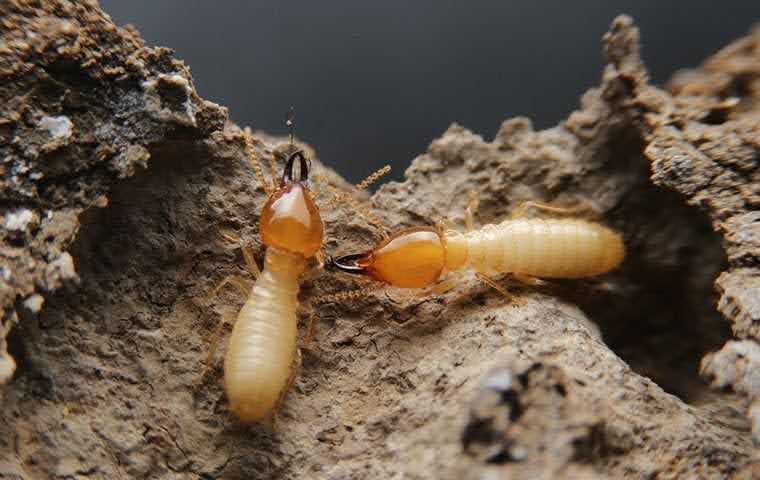
Termites are silent destroyers that can cause extensive damage long before homeowners realize there’s a problem. A thorough termite inspection is the first and most important step in identifying an infestation and protecting your property. Whether you’re scheduling a routine check or responding to early warning signs, preparation plays a key role in helping inspectors access critical areas of your home and perform an accurate evaluation.
Knowing what to expect and how to prepare ensures your inspection goes smoothly and provides the most reliable results for effective termite control.
Why Termite Inspections Are Essential
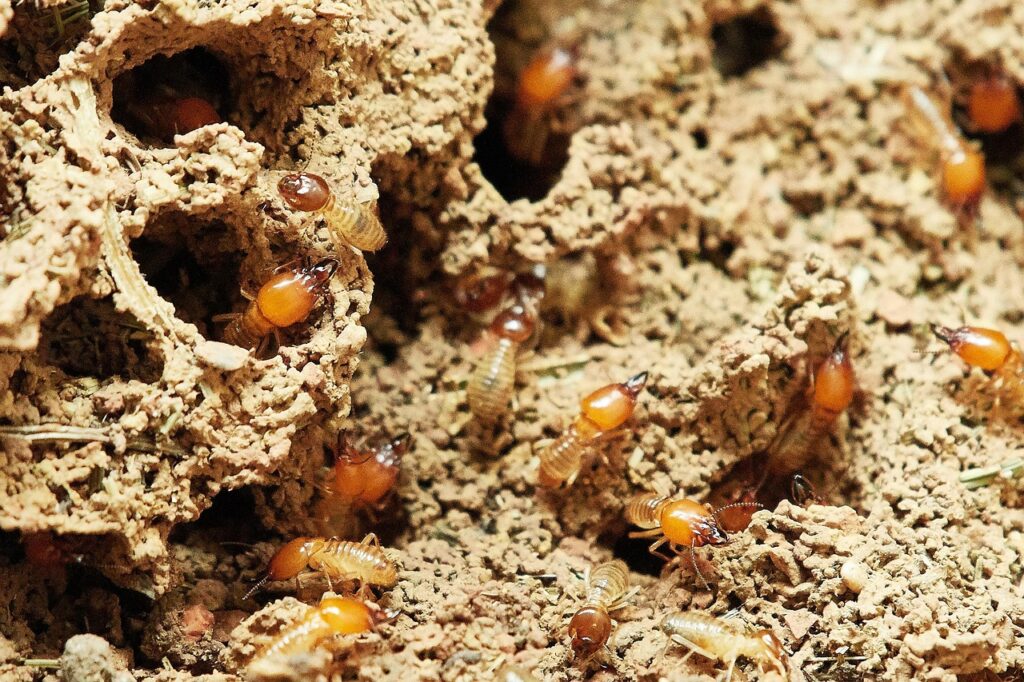
Termite inspections are more than just precautionary; they are an essential part of home maintenance, especially in regions with active termite populations. These inspections identify early signs of infestations before they escalate into major structural damage.
A professional termite inspection includes:
- Exterior evaluation: Inspectors check for mud tubes, wood decay, and moisture conditions around the foundation.
- Interior assessment: Baseboards, window frames, and attics are examined for visible or hidden termite activity.
- Moisture testing: High humidity levels can indicate conditions favorable for termites.
- Substructure inspection: Crawl spaces and basements are checked for evidence of termite entry or colonies.
Without detecting early termite signs, colonies can remain unnoticed for years, feeding on wood structures and compromising a home’s stability.
Steps To Prepare Before The Inspection
Preparing for a termite inspection is simple, but it requires attention to detail. Inspectors need unobstructed access to key areas inside and outside your home. Proper preparation allows them to conduct a more thorough assessment and ensures no potential problem spots are overlooked.
Homeowners should take the following steps before their scheduled appointment:
- Clear access points: Move furniture, storage boxes, and items at least two feet away from walls and baseboards.
- Empty under sinks: Inspectors often check beneath kitchen and bathroom sinks for moisture, so clear out cleaning products or containers.
- Unlock all rooms: Ensure inspectors can enter every room, including garages, attics, and crawl spaces.
- Trim landscaping: Remove shrubs, mulch, or groundcover that touches the foundation to expose potential entry points.
- Check the perimeter: Move outdoor equipment, garden tools, or storage bins away from exterior walls.
- Clean gutters and drains: Blocked drainage systems can contribute to moisture buildup, attracting termites.
These steps save time and allow the inspector to work efficiently, giving you faster and more accurate results.
What Inspectors Look For During The Visit
Termite inspectors are trained to recognize subtle signs of infestation that may not be visible to an untrained eye. During the inspection, they look for direct evidence of termite activity and environmental factors that make infestations more likely.
Common indicators include:
- Mud tubes: Thin tunnels built by subterranean termites to travel between the soil and wood structures.
- Discarded wings: Termite swarms often shed wings near windowsills, doors, or light fixtures.
- Wood damage: Hollow-sounding timber or bubbling paint can indicate feeding within walls or floors.
- Frass (termite droppings): Small, wood-colored pellets that signal drywood termite activity.
In addition to spotting current infestations, inspectors also identify conditions that could attract termites, such as standing water, soil contact with wood, or untreated foundation cracks. The final report typically outlines both active and preventive recommendations for comprehensive termite control.
How To Support The Inspection Process
While professionals handle the technical aspects of the inspection, homeowners can play an important role in ensuring an accurate outcome. Cooperation and communication during the process make a significant difference in how quickly inspectors can identify and address termite risks.
Here’s how you can support the inspection:
- Provide property history: Share details about previous pest treatments or renovations that might affect inspection areas.
- Note problem spots: Mention any unusual sightings, such as soft spots in flooring or wing piles near entryways.
- Stay available: Being on-site allows you to answer questions and understand findings in real time.
- Ask for recommendations: Inspectors can advise on repair priorities, future maintenance, and preventive treatments.
Once the inspection is complete, follow the recommendations carefully. Whether it involves sealing cracks, improving drainage, or scheduling treatment, quick action prevents small issues from becoming large-scale infestations.
The Role Of Professional Termite Control
A successful termite inspection is only part of the solution. If an infestation is discovered, prompt professional treatment is the best way to protect your home from ongoing or future damage. Professionals use a combination of targeted methods, such as soil treatments, baiting systems, or wood protection products, to eliminate colonies and prevent recurrence.
When selecting a treatment plan, homeowners often compare options such as liquid barriers and baiting systems. Each method offers unique advantages depending on the type of termites and the property’s construction. To learn more about how these options work, explore this informative comparison of termite treatment methods.
Professional termite control also includes follow-up inspections to monitor progress and ensure that protective measures remain effective. Unlike do-it-yourself solutions, these treatments are scientifically tested and applied using equipment that reaches hidden areas inaccessible to homeowners.
Take The First Step Toward Protection
Preparing for a termite inspection is one of the most proactive steps a homeowner can take to safeguard their investment. A clean, accessible space allows inspectors to detect even the smallest signs of termite activity and recommend effective solutions before serious damage occurs.For professional inspections, detailed evaluations, and proven treatments, contact DAPS Services. Our experienced team provides thorough termite control solutions that protect your home from hidden infestations and ensure long-term peace of mind.