
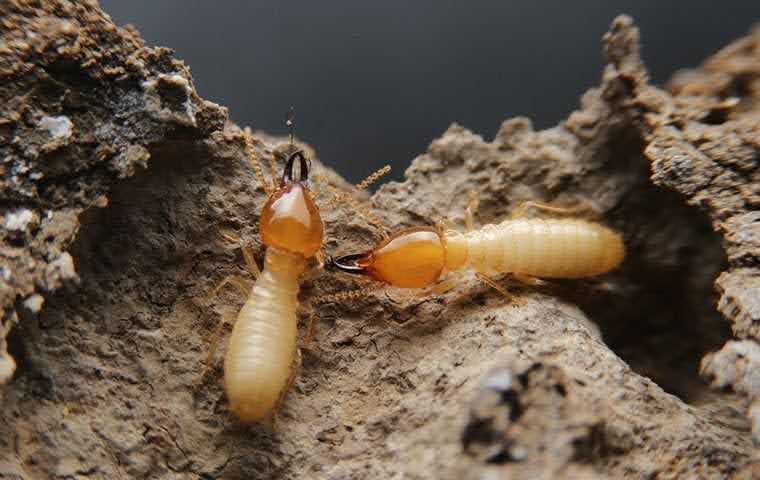
Termites can silently compromise the structural integrity of a property, often before homeowners notice the warning signs. That is why termite treatments are essential. These methods are designed to either block termites from entering the home or eliminate the colony itself. Two of the most widely used approaches are liquid applications and bait systems. Both are effective, but they work in very different ways and are chosen based on property needs, infestation size, and long-term prevention goals.
To make the right choice, it helps to understand how each method functions, what it protects against, and the unique benefits each delivers. When used correctly, both provide significant protection against costly repairs and structural damage that termites are known to cause.
How Liquid Termite Treatments Work
Liquid treatments rely on creating a protective barrier around a structure. This approach involves applying a termiticide into the soil around and beneath the foundation. Once placed, the chemical barrier either repels termites or eliminates them upon contact.
Key points about liquid applications include:
- Immediate defense: Provides quick results by targeting termites that attempt to cross the treated soil.
- Wide coverage: Protects large areas of soil and foundation, limiting hidden access points.
- Durability: High-quality products can remain effective for several years, offering long-term defense.
- Direct contact: Termites that pass through treated soil transfer the chemical to others, extending the reach of the treatment.
Liquid treatments are often recommended for properties with active infestations where immediate protection is a priority. They are also valuable for homes in areas with high termite activity or challenging soil conditions. For homeowners unsure about the urgency of treatment, recognizing the early signs of termite damage can help reveal whether immediate action is necessary.
The Role of Bait Termite Treatments
Bait systems function differently from liquid methods. Instead of creating a chemical barrier, bait stations are strategically placed around a property. Each station contains material that termites find appealing, combined with a slow-acting termiticide. When termites feed on the bait, they carry it back to their colony, eventually spreading it to other members, including the queen.
Key advantages of bait systems include:
- Colony elimination: Targets the entire colony, not just the visible termites.
- Less invasive: Requires less drilling and trenching compared to liquid applications.
- Ongoing monitoring: Stations can be checked regularly, ensuring early detection of activity.
- Eco-conscious option: Uses smaller amounts of active ingredients, making it appealing for environmentally sensitive areas.
Because bait systems are focused on long-term management, they are especially useful for monitoring termite activity around structures and gradually reducing risk over time.
Choosing Between Liquid and Bait Termite Treatments
Both methods are effective, but selecting the right one depends on your specific property and infestation level. A professional inspection will usually determine whether a liquid barrier, a bait system, or a combination of the two is best suited.
Factors to consider when deciding include:
- Extent of infestation: Liquid is often used for immediate infestations, while bait works better for colony-level control.
- Soil and foundation type: Certain soil types may favor one method over the other.
- Maintenance preferences: Bait systems require regular monitoring, while liquid treatments offer extended coverage with less upkeep.
- Environmental considerations: Bait may be preferred where reducing chemical use is a priority.
For many homeowners, combining both options provides maximum protection. A liquid barrier offers immediate defense, while bait stations allow for ongoing surveillance and elimination of hidden colonies. This integrated approach creates layered protection that minimizes risks.
Learning more about preventing termite damage can provide added perspective on why treatment timing and choice of method are so important.
Why Professional Expertise Matters
While both methods may sound straightforward, correct application is vital to their success. Liquid barriers must be applied evenly and at the right depth, often requiring specialized equipment. Bait stations need precise placement and consistent monitoring to ensure colonies are effectively targeted. Without these steps, treatments may fail to protect the property fully.
Reasons to trust professional services include:
- Accurate assessment: Experts can identify the extent of the infestation and recommend the most effective solution.
- Proper application: Professionals ensure chemicals or baits are applied safely and effectively.
- Ongoing monitoring: Regular inspections prevent small problems from becoming costly structural damage.
- Tailored strategies: Each property has unique risks, and customized plans ensure comprehensive coverage.
Attempting to handle termite treatments without training may lead to incomplete protection, giving colonies time to spread unnoticed. Professional involvement ensures precision, safety, and the peace of mind that your home is safeguarded.
Take the Next Step Toward Lasting Protection
Termites are not a threat to ignore. Acting quickly with the right treatment ensures your property remains structurally sound and free from hidden damage. To learn which solution best fits your situation, contact DAPS Services today and schedule an expert evaluation tailored to your home.