
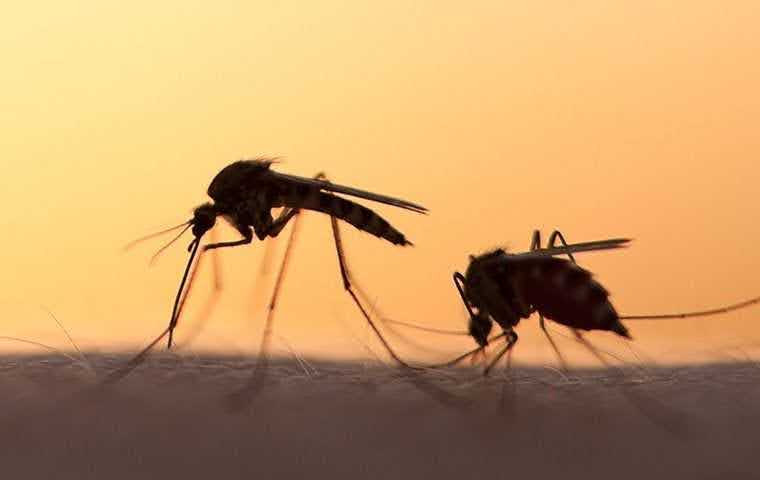
Mosquitoes are more than just a seasonal nuisance. For commercial properties, they present health concerns, disrupt outdoor operations, and create poor customer experiences. Whether it’s a retail complex, corporate campus, or hospitality venue, unchecked mosquito activity can quickly escalate, especially in warm, humid conditions where stagnant water becomes a breeding haven.
Business owners and facility managers must treat mosquito prevention as an essential part of maintaining the property. This involves identifying high-risk areas, implementing water control measures, and working with professionals who understand the specific patterns and environmental triggers of mosquito infestations. Most importantly, prevention strategies must be ongoing, not just reactive during peak season.
This guide will walk you through the most effective mosquito prevention techniques designed specifically for commercial properties. These recommendations are grounded in current pest management best practices and tailored to real-world conditions.

Why Mosquitoes Target Commercial Properties
Mosquitoes thrive in environments where standing water is present, and many commercial properties unknowingly offer ideal breeding conditions. Rooftop HVAC systems, clogged drains, neglected landscaping, and even planters or signage bases can hold small amounts of water that quickly turn into mosquito nurseries. Add in heat and moisture, and you’ve got a perfect storm for an infestation.
There’s also a public health dimension. Mosquitoes are vectors for West Nile virus, Zika, dengue, and other illnesses. While these risks vary by region, they remain a serious concern anywhere mosquito populations are high.
Some commercial sites are more vulnerable than others:
- Properties near wooded areas, retention ponds, or creeks
- Warehouses with open or unsealed loading docks
- Buildings with flat roofs or poor drainage systems
- Outdoor venues like restaurants, pools, or playgrounds
Understanding how humidity affects pest infestations can help property managers proactively minimize risks before breeding begins.
Identifying and Eliminating Hidden Water Sources
The first step in mosquito prevention is to eliminate their ability to breed. Since mosquitoes lay eggs in standing water, even the smallest puddle can become a problem. Commercial properties must be thoroughly inspected for hidden or overlooked water sources and have a plan in place for prompt correction.
Target the following areas:
- Clogged or slow-draining roof gutters
- Unused flowerpots, fountains, or display items
- Condensation runoff from AC or refrigeration units
- Drainage ditches that don’t flow consistently
- Low-lying landscaping that pools after rain
Every water source should be assessed after storms, scheduled irrigation, or maintenance work. The fewer opportunities mosquitoes have to lay eggs, the more you reduce the overall risk.
Additional steps include grading outdoor spaces to encourage runoff, installing splash blocks under downspouts, and ensuring roof drains are kept clear.
Ongoing Maintenance for Long-Term Prevention
Short-term solutions aren’t enough to prevent mosquito problems from returning. Ongoing maintenance routines are crucial to preserving a mosquito-free commercial property. These efforts not only control breeding grounds but also reinforce your facility’s overall cleanliness and compliance.
Key practices include:
- Weekly checks of gutters and rooftop systems
- Routine flushing of outdoor drains and sump pits
- Cleaning up landscaping debris and organic matter
- Keeping dumpsters and recycling bins away from moist areas
- Trimming shrubs and grass to limit shade and shelter
By creating a maintenance schedule tied to peak mosquito season, teams can stay ahead of the problem. Periodic site assessments from pest professionals may also help uncover risks that in-house crews overlook.
For those operating in high-risk zones or close to mosquito-prone features, inclusive prevention methods offer a broader defense strategy and long-term consistency.
Benefits of Partnering With Pest Professionals
Although basic maintenance and inspections go a long way, the complexity of commercial sites often demands a professional touch. Pest experts bring a scientific approach to mosquito control, using mapping, monitoring, and precision treatments designed for the size and layout of your property.
Professional services offer advantages such as:
- Identification of breeding zones you might miss
- Use of larvicides in catch basins and hidden water pockets
- Application of barrier sprays to landscaping and perimeter zones
- Regular monitoring of mosquito activity with targeted traps
- Data collection for recordkeeping and compliance purposes
These methods not only address current mosquito threats but also help in tracking population shifts and seasonal trends. That foresight allows your property to remain ahead of the curve each year.
The Bigger Picture: Mosquitoes and Property Perception
It’s easy to underestimate the effect mosquitoes have on customer satisfaction and public image. A few bites during a lunch break or client visit can sour someone’s experience, reduce return visits, and trigger negative reviews, particularly for businesses that rely on outdoor interaction. Commercial properties that show signs of pest control negligence may even face regulatory consequences, especially if mosquitoes become a recurring issue.
Proactive mosquito prevention is more than a maintenance task; it’s a sign of professionalism and care. By eliminating risk before it spreads, you protect your people, your brand, and your bottom line.
Make Mosquito Control A Routine
Don’t wait for the buzz to become a business problem. Our team can help you develop a targeted mosquito prevention plan tailored to your commercial property. Contact DAPS Services to get started today.