
Warm weather brings more than sunshine, it also welcomes the return of fleas and ticks. These parasites thrive in outdoor environments and can quickly make their way into homes, especially through pets or outdoor foot traffic. Once inside, both fleas and ticks can cause ongoing problems for people and animals, triggering allergies, discomfort, and in some cases, serious diseases.
To manage these threats, barrier sprays have become one of the most effective outdoor solutions available. Unlike temporary treatments or isolated sprays, barrier applications create a protective perimeter around your home, targeting the exact zones where fleas and ticks breed, hide, and wait for a host. This not only helps stop infestations from starting but also reduces the risk of repeated exposure over time.
This article explores the science behind barrier sprays, how they address flea infestation and tick infestation risks, and why consistent, professional applications are key to long-term success.

Understanding Fleas and Ticks in Outdoor Environments
Fleas and ticks thrive in shaded, moist areas with organic matter, conditions common in most residential yards. Fleas often nest in tall grass, under porches, and in piles of leaves. Ticks, on the other hand, favor wooded edges, shrubs, and dense vegetation. These pests don’t need much to survive and reproduce. Just one host, like a neighborhood dog or wildlife passing through, can introduce hundreds of parasites to your lawn.
Once established, flea infestation signs include:
- Pets frequently scratching or biting
- Tiny black specks (flea dirt) on fur or bedding
- Visible jumping insects on carpets or upholstery
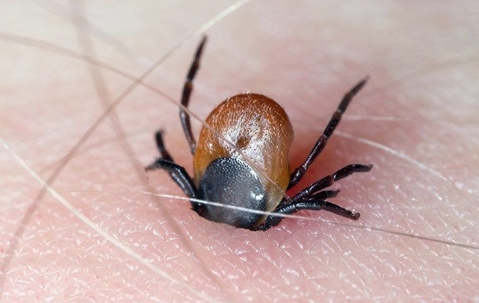
Tick infestations, while less visible at first, can lead to more serious health concerns. These include Lyme disease, Rocky Mountain spotted fever, and other tick-borne illnesses. Identifying what a tick bite looks like is critical, especially in regions with high humidity or wooded landscapes.
How Barrier Sprays Work to Protect Your Property
Barrier sprays are designed to target the outdoor spaces where fleas and ticks live and breed. These treatments are applied to key areas around the home and yard, forming a chemical boundary that kills pests on contact and continues working for several weeks.
Unlike general foggers or DIY products, barrier sprays are focused and effective. They do not treat random airspace; instead, they cling to surfaces like grass blades, mulch, and tree trunks where pest activity is most concentrated.
What barrier sprays typically do:
- Kill fleas and ticks on contact
- Leave a residual treatment that remains effective between visits
- Target shaded and moisture-rich zones where pests thrive
- Minimize the risk of pests entering the home through pets or foot traffic
Professional-grade barrier sprays are tailored to the property’s layout, pest activity, and season. This ensures that vulnerable zones receive full coverage while maintaining safe application standards.
Areas of Application and Why They Matter
To ensure the success of barrier spraying, pest control professionals don’t just treat open lawns. They assess the property for the most likely flea and tick hotspots based on microclimate, pet behavior, and vegetation.
Key application areas include:
- Along fence lines and wooded perimeters
- Under decks, patios, and porches
- Shaded landscaping and garden beds
- Near pet resting or play areas
- Foundation edges and the base of trees
Since flea and tick development relies on humidity and shelter, missing these areas during treatment could allow pockets of infestation to persist. The value of barrier spraying lies in this precision, delivering control exactly where pests are hiding.
Why Timely and Regular Treatment is Essential
Barrier sprays are not one-time solutions. Fleas and ticks have fast life cycles and reintroduce themselves easily through pets, wildlife, or even neighborhood traffic. That’s why professionals recommend scheduling seasonal or monthly barrier treatments, especially from spring through early fall when activity is highest.
Consistent service helps to:
- Break the flea and tick life cycle before they reproduce
- Keep pest pressure low during peak months
- Prevent infestation inside the home
- Ensure your pets stay safe while roaming outdoors
It’s also wise to choose a pest control plan that fits the layout and use of your yard. For instance, heavily wooded properties or homes with multiple pets may require more frequent attention.
Barrier Sprays vs. DIY Methods: What You Need to Know
While DIY flea and tick treatments are widely available, they often fall short when it comes to long-term prevention. Store-bought sprays and yard granules may only cover part of the issue, or fail to address breeding sites altogether. Worse, incorrect usage can lead to ineffective treatment or environmental harm.
Why professional application matters:
- Experts know where to treat and how much to apply
- Products used are often more effective and longer-lasting
- Customized schedules provide ongoing protection
- Safety protocols ensure minimal impact on pets and family
Without precise application and repeat coverage, barrier sprays lose their value. The expertise behind the treatment is just as important as the product used.
Reclaim Your Yard from Fleas and Ticks
Don’t let your outdoor space become a refuge for pests. If you’re seeing signs of fleas or ticks, or want to prevent issues before they start, our team can help. Contact DAPS Services for professional barrier spraying solutions designed to keep your yard safe, pest-free, and family-ready all season long.