
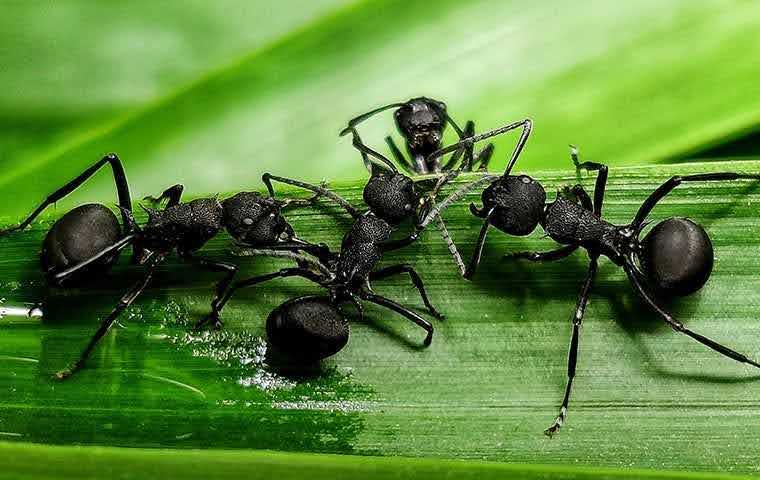
Odorous house ant infestations are often dismissed as minimal nuisances, yet anyone who has dealt with them knows these tiny invaders can pose significant challenges. Often mistaken for harmless sugar ants, odorous house ants present a unique issue: when crushed, they emit a strong odor reminiscent of rotten coconut. Their stealthy nature, combined with their ability to form multiple satellite colonies, means that sightings aren’t just isolated incidents, as they may signal an underlying infestation.
Addressing ant activity requires more than wiping away visible trails. To truly protect your home, it’s essential to understand their behavior, identify their nesting zones, and implement preventative strategies. When done correctly, homeowners can significantly reduce the risk of widespread ant problems. This guide offers clarity on identification, nesting habitats, and preventive measures. By following these steps, you can better safeguard your living space and prevent minor ant activity from evolving into a full-blown infestation.

Recognizing Odorous House Ants
Not all ants look and behave the same. Proper identification is essential before taking any further action. Odorous house ants are among the most commonly reported household pests and can often be mistaken for other species if not examined closely.
Key identifiers include:
- Size: Workers are small, about 1/16 to 1/8 inch long
- Color: Brown to black with an uneven, flattened body shape
- Odor: Releases a distinct, foul smell when crushed
- Behavior: Move in erratic lines and form multiple foraging trails
These ants are not known to bite or sting, but their sheer numbers and ability to invade food sources make them unwelcome visitors. Unlike other species, odorous house ants are especially skilled at forming multiple nesting points throughout a home, which contributes to long-lasting infestations if not addressed early.
For deeper insight into how different ants behave, check out this article on common ant behavior patterns relevant to your region.
Where They Nest and Why They Invade
Odorous house ants are incredibly adaptable, which makes them difficult to keep out once they’ve found what they’re looking for: food, warmth, and moisture. These ants can nest both indoors and outdoors and are quick to relocate when disturbed. Indoors, they favor tight, dark areas that go unnoticed during regular cleaning. Outdoors, they build shallow nests under debris or in damp soil, often close to buildings for easy access.
Common nesting sites include:
- Inside wall voids and insulation
- Under sinks, dishwashers, and other appliances
- Beneath baseboards, flooring, or carpeting
- Under logs, landscaping mulch, or garden stones
- Near HVAC units, utility boxes, or plumbing lines
Weather conditions often trigger infestations. Heavy rains, extreme heat, or drought drive ants inside where the environment is more stable. Once they find a food source, especially sugary or greasy substances as they lay scent trails for others to follow, creating fast-growing infestations with multiple satellite colonies.
Steps to Prevent Ant Infestation
Prevention starts with awareness and routine home maintenance. By creating a less inviting environment, you significantly reduce the risk of infestation.
Here are some expert-recommended steps:
- Seal entry points: Use caulk to close gaps around windows, doors, and utility lines.
- Clean surfaces regularly: Wipe down counters and sweep floors to eliminate food residues.
- Store food properly: Keep pantry items in airtight containers and avoid leaving fruit out.
- Address moisture: Fix plumbing leaks and dry out damp areas with dehumidifiers or fans.
- Maintain yard cleanliness: Remove leaf litter, keep mulch away from foundations, and trim back overgrown plants.
These measures help discourage initial scouting behavior and eliminate attractants before ants gain a foothold.
Why DIY Methods Often Fall Short
Store-bought baits and sprays can sometimes reduce visible ant trails temporarily, but they rarely address the root cause of infestation. Odorous house ants often split into sub-colonies when disturbed, a behavior known as “budding.” This means that spraying a few workers could inadvertently spread the problem to multiple areas in your home.
Effective treatment requires identifying all nesting sites, using species-specific products, and following up with monitoring. Professionals are trained to locate hidden colonies and apply solutions that reach deep into nesting zones without triggering defensive dispersal.
If you’re exploring your treatment options, this guide on selecting pest service plans provides a helpful overview of choosing the right approach for long-term success.
When to Bring in the Experts
If you continue spotting ant trails after cleaning, notice a lingering odor in specific areas, or see ants emerging from wall outlets or vents, it’s time to consider professional support. These signs suggest a well-established colony that simple fixes won’t resolve.
Early intervention is key. The sooner the problem is assessed, the easier it is to manage without escalation. Ongoing pest monitoring and integrated treatment plans are often the most effective and safest way to eliminate infestations without disrupting your home or family routines.
Say Goodbye to Hidden Colonies
When ants keep coming back, it’s time to stop guessing. For proven solutions that target odorous house ant colonies at the source, contact DAPS Services today.