
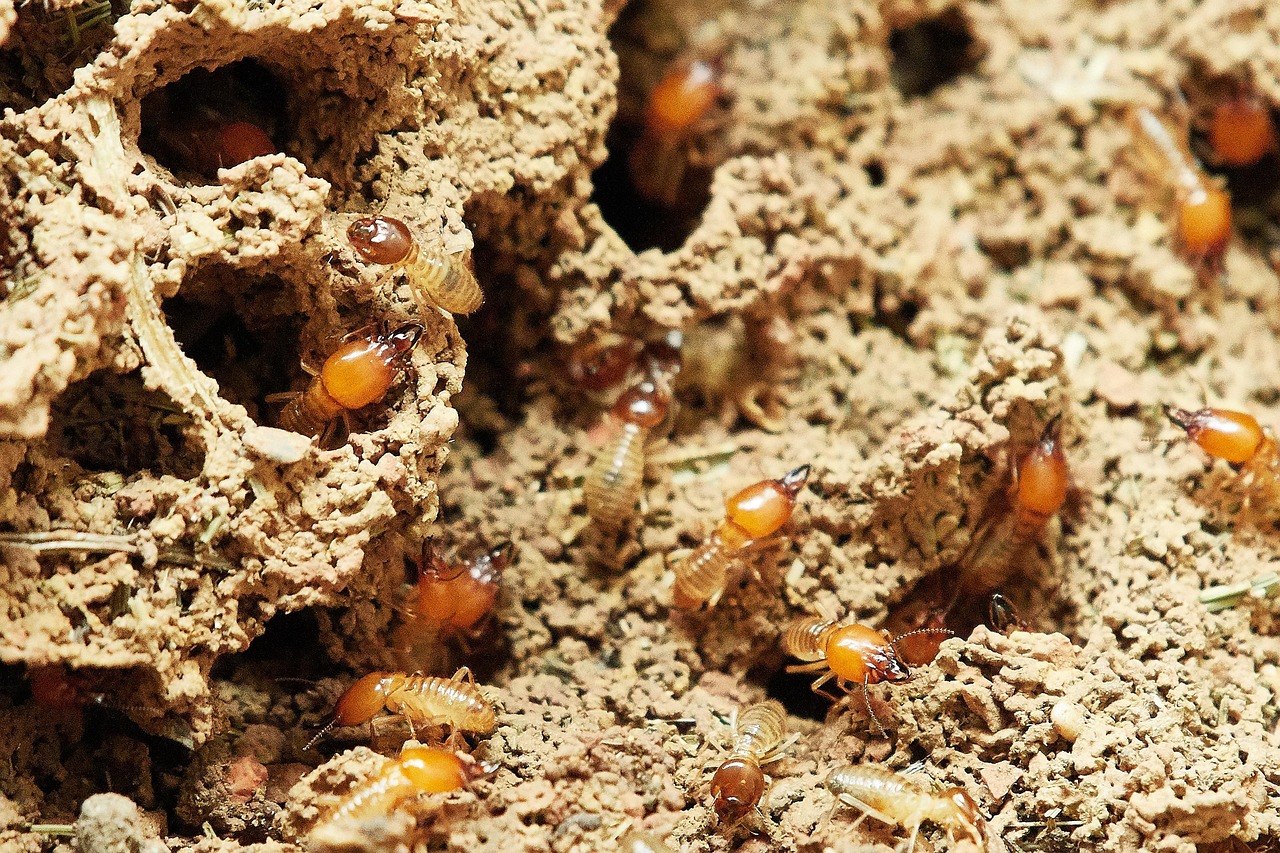
Termites are among the most destructive pests a homeowner can face. They operate silently and often go unnoticed until the damage is severe. What may begin as a hidden infestation can eventually compromise walls, floors, and even the foundation of your home. Understanding how termite damage starts and what steps you can take to stop it is key to keeping your property safe. With the right knowledge and proactive measures, long-term issues can be avoided.
Here’s how to spot early warning signs and implement proven prevention strategies to protect your home from costly repairs.

How Termite Damage Begins
Termites are attracted to cellulose-rich materials like wood, drywall, and even certain types of insulation. They are especially drawn to moist environments, which is why areas with leaks, poor drainage, or high humidity are more vulnerable.
Subterranean termites, which are common in Georgia, live underground and build elaborate mud tubes to reach food sources. Once inside your home, they chew through structural wood from the inside out, weakening the integrity without any immediate visible signs.
Many infestations start unnoticed, especially around crawlspaces, wall voids, and under flooring. As the colony grows, the extent of termite damage expands, often requiring major restoration if caught too late.
Early Signs of a Termite Infestation
Catching a termite problem early can save you thousands in repairs. Unfortunately, termites are experts at staying hidden. That’s why it’s critical to know what subtle clues to look for.
Watch for these early signs of termite activity:
- Mud tubes on foundation walls, near baseboards, or along crawlspaces
- Hollow-sounding wood when tapped, particularly around door frames or trim
- Small piles of wings, often near windows or doors, after a termite swarm
- Frass (termite droppings) that resemble sawdust or coffee grounds
- Buckling floors or paint that looks blistered or peeling without water damage
The presence of mud tubes is especially important. These narrow tunnels are used by subterranean termites for travel and moisture retention. To understand how they function, read this detailed guide on what a mud tube is.
If you notice any of these signs, it’s essential to act quickly. Ignoring them gives the colony more time to expand its reach inside your home.
Common Risk Factors That Attract Termites
Knowing what attracts termites in the first place can help you take steps to make your home less inviting. Termites seek out specific conditions that allow them to survive and multiply.
Here are common factors that increase the risk of termite damage:
- Excess moisture from leaking pipes, clogged gutters, or poor grading
- Unsealed cracks in your foundation or exterior walls
- Firewood or lumber stored against the home
- Mulch beds that touch exterior siding or extend too close to the foundation
- Dead tree stumps or untreated wooden landscaping features
Many of these issues can be corrected with regular maintenance. One of the simplest, yet most effective actions homeowners can take is sealing up access points. For a helpful breakdown on this, review the importance of sealing cracks to keep pests like termites from entering your home.
Prevention Steps Every Homeowner Should Take
Preventing termites doesn’t require overhauling your entire property, but it does demand consistency and attention to detail. A few key habits can go a long way in protecting your home year-round.
Here are expert-recommended termite prevention tips:
- Fix leaks quickly in pipes, faucets, gutters, and HVAC systems to keep areas dry
- Reduce soil-to-wood contact by using concrete supports or treated lumber for decks and fences
- Keep mulch and vegetation trimmed and several inches away from your foundation
- Inspect your crawl space or basement periodically for signs of mud tubes or soft wood
- Schedule regular termite inspections from trained professionals, especially in older homes
These steps are simple but highly effective. They help reduce the conditions that termites need to survive, while also improving the overall health of your home.
Why Professional Help Matters
While prevention is important, termite infestations often require professional intervention. Many homeowners do not realize the extent of termite damage until structural problems begin to surface. Store-bought solutions may offer temporary relief, but usually fall short in addressing the root of the problem.
A professional pest control team will not only confirm whether termites are active but will also identify the source, determine the level of damage, and apply the right treatment method. These experts also provide follow-up visits to ensure that colonies are completely eliminated and that new ones do not take their place.
Most importantly, a professional approach offers long-term peace of mind. With ongoing monitoring and tailored treatments, the chances of recurring infestations are greatly reduced.
Don’t Wait Until It’s Too Late
Termites don’t make noise. They don’t rush in all at once. But they can quietly hollow out the framework of your home while you go about your day. Recognizing the signs and preventing termite damage requires more than good luck, but a strategy.If you suspect termite activity or want to secure your home from future infestations, reach out to DAPS Services for a thorough inspection and expert guidance tailored to your home’s specific risks.