
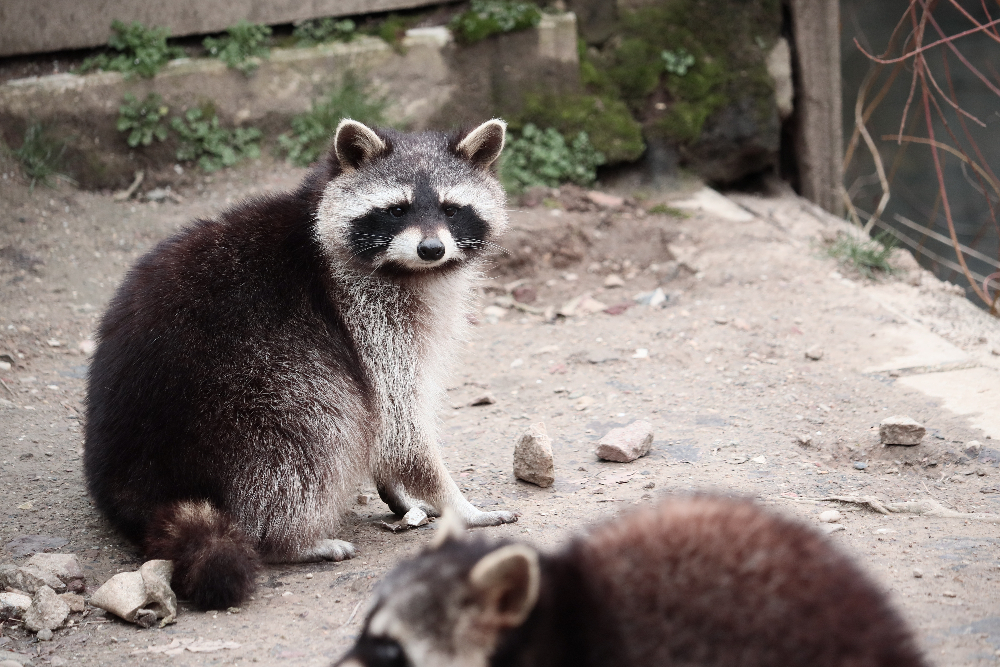
Raccoons are intelligent, adaptable, and persistent creatures that can become a serious issue when they take up residence in or around your home. In Georgia, where wooded neighborhoods and mild winters are common, raccoons often find suburban homes to be ideal nesting spots. From attics and crawlspaces to garages and chimneys, they can cause extensive property damage and health concerns if left unchecked.
Knowing how to recognize their presence, understand their behavior, and respond appropriately is crucial to protecting your property and your peace of mind. Here’s what homeowners in Georgia need to know about handling raccoons safely and effectively.
Signs That Raccoons Have Moved In
Raccoons are nocturnal animals, which means their activity is typically most noticeable at night. You may hear scratching, thumping, or vocalizations from above your ceiling or behind walls while you’re trying to sleep. Their presence is often first detected by sound or by the mess they leave behind.
Be on the lookout for these common indicators of raccoon activity:
- Loud nighttime noises, especially in the attic or walls
- Tipped-over trash cans or scattered garbage in the yard
- Damaged soffits, vents, or roof shingles, which may serve as entry points
- Droppings near entry areas or inside attics
- Tracks or paw prints around entryways or muddy areas
Spotting these signs early allows homeowners to intervene before raccoons cause significant structural damage or establish nests in hard-to-reach areas.
Why Raccoons Target Homes in Georgia
Georgia’s climate and landscape make it a raccoon-friendly state. Mild winters allow for year-round activity, and the abundance of food sources in both rural and suburban areas encourages raccoons to stay close to human settlements.
Raccoons are opportunists. They are drawn to homes that offer easy access to shelter, food, and water. Pet food left outside, uncovered trash cans, bird feeders, or even compost piles can serve as steady food sources. Attics, chimneys, sheds, and crawlspaces offer quiet, protected areas for denning, especially during the spring breeding season.
Many homeowners unknowingly create perfect raccoon habitats by overlooking basic prevention steps. For proactive guidance on minimizing attractants, review these expert tips for preventing pest infestations to help make your property less appealing to wildlife.
Dangers of Having Raccoons Indoors
While raccoons may seem curious or even amusing from a distance, they pose real threats when they infiltrate homes. In addition to being destructive, raccoons can carry diseases that are dangerous to humans and pets.
Here’s why raccoons inside your home are a serious issue:
- Structural damage: Raccoons tear insulation, chew wires, and damage ductwork in attics and crawlspaces
- Health risks: Their feces may carry roundworm or leptospirosis, and they are potential rabies carriers
- Odor issues: Strong, lingering odors from urine and droppings can be difficult to remove
- Aggressive behavior: If cornered or protecting young, raccoons may become defensive
- Secondary infestations: The presence of raccoons often attracts fleas, mites, or other parasites
Because of these risks, it’s never advisable to attempt removal without proper training or safety equipment. Attempting to trap or confront raccoons can lead to injury and legal complications under Georgia’s wildlife protection laws.
What to Do If You Suspect Raccoon Activity
Dealing with raccoons requires a calm, informed approach. Avoid confronting the animal directly and instead take steps to minimize their movement while you arrange for professional help. Raccoons are strong and agile, and cornering them can result in unpredictable behavior.
If you suspect raccoons are in or around your home:
- Do not seal entry points while the animal is still inside
- Avoid disturbing their nest, especially if young are present
- Keep pets and children away from known or suspected raccoon zones
- Secure food sources, including garbage, birdseed, and pet food
- Call a wildlife control specialist with experience in humane raccoon removal
A qualified technician will assess the location, identify entry points, and safely remove the animal. They may also perform exclusion repairs to prevent future access. To understand what comprehensive service involves, you can explore the steps included in our wildlife control page, which focuses on ethical and thorough animal management.
Preventing Future Raccoon Intrusions
Once raccoons are removed, it’s essential to implement measures to keep them from returning. Raccoons have excellent memories and will often revisit sites where they’ve previously found food or shelter.
Prevent future infestations with the following steps:
- Seal all access points, including vents, soffits, and chimney caps
- Keep garbage bins tightly closed and store them in secure areas
- Remove attractants like pet food bowls, compost, and bird feeders at night
- Trim tree branches away from rooftops to reduce access routes
- Schedule regular inspections to catch vulnerabilities early
Homeowners who combine these efforts with seasonal property maintenance are less likely to experience repeat issues. Prevention is the most effective long-term strategy when dealing with wildlife.
Don’t Let Raccoons Claim Your Home
Raccoons may be clever and resourceful, but they’re no match for a proactive homeowner backed by experienced professionals. Whether you’ve seen the signs or simply want to prevent a problem before it starts, acting early can save you from costly repairs and health concerns.For humane raccoon removal and reliable home protection, contact DAPS Services and let the professionals secure your space from unwanted wildlife.